
























































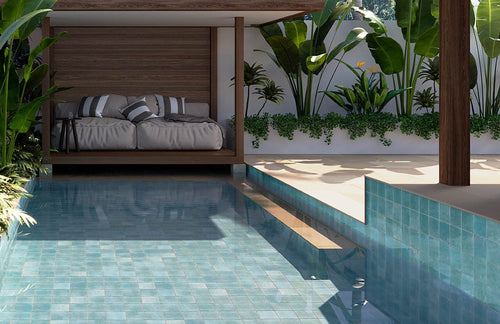
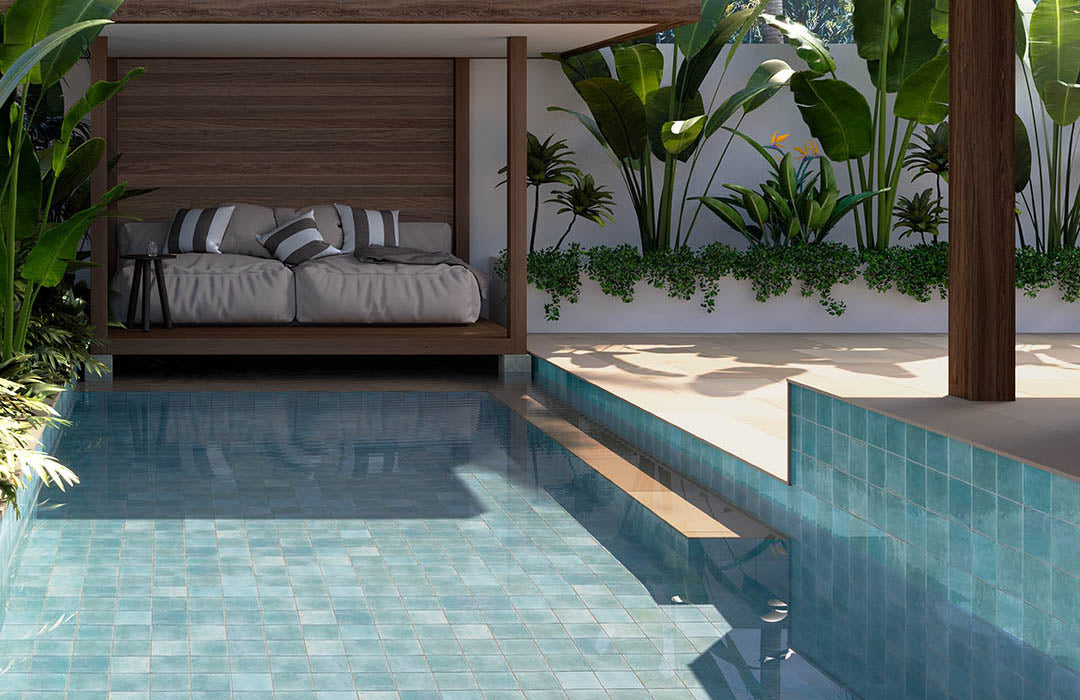
PORCELAIN POOL TILE
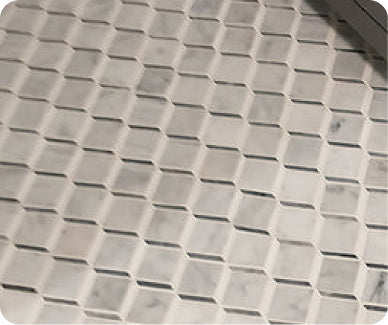
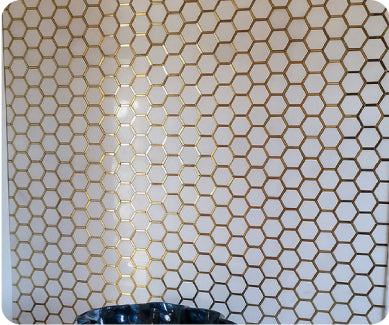
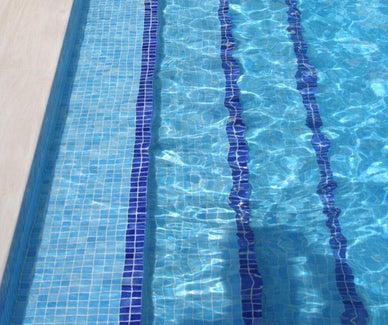
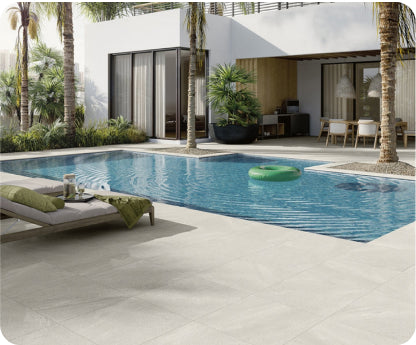
Resistant to water, chemicals, and UV rays, porcelain tile is a classic choice in pool design that ensures long-lasting charm with minimal upkeep. No need to sacrifice style; these tiles come in a vast array of colors, patterns, and finishes, so your pool’s waterline will be as beautiful as it is durable.
Related Links ⌵
Resistant to water, chemicals, and UV rays, porcelain tile is a classic choice in pool design that ensures long-lasting charm with minimal upkeep. No need to sacrifice style; these tiles come in a vast array of colors, patterns, and finishes, so your pool’s waterline will be as beautiful as it is durable.


Porcelain Pool Tile: Ultimate Buying Guide
Choosing the right porcelain pool tile is one of the most important decisions you'll make when designing or renovating a swimming pool. The right tile enhances the overall appearance of your outdoor space while providing exceptional durability in wet environments. Porcelain is a popular choice because it is dense, non porous, and designed to withstand constant exposure to water, chemicals, and changing weather conditions.
When selecting porcelain pool tile, consider the style of your home, the color of your pool water, and the surrounding hardscape. Lighter tiles create a bright, refreshing look, while darker shades add depth and a more dramatic appearance. Texture, finish, and tile size should also be considered to ensure the finished design complements your vision.
High quality porcelain pool tile provides lasting beauty with minimal maintenance, making it an excellent investment for both residential and commercial swimming pools.
Pool Waterline Tile vs Full Pool Tile
Many swimming pools feature tile only along the waterline, while others use porcelain tile throughout the entire interior. Each option offers unique benefits depending on your budget and design goals.
Waterline tile is installed around the upper edge of the pool where the water meets the surface. This decorative band protects the pool shell from mineral buildup, sunscreen residue, and other contaminants while adding visual interest. Waterline tile is one of the most common choices for backyard pools because it delivers a high end appearance without covering the entire pool.
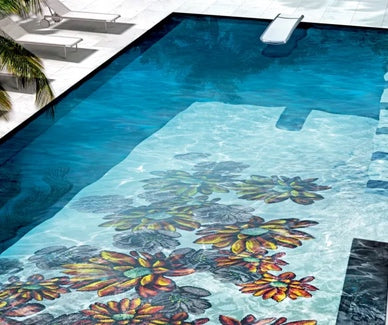
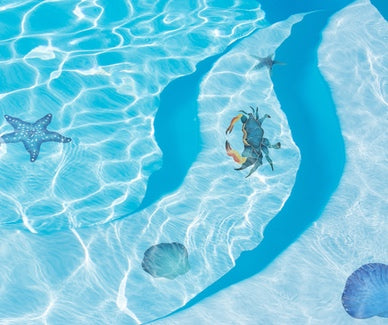
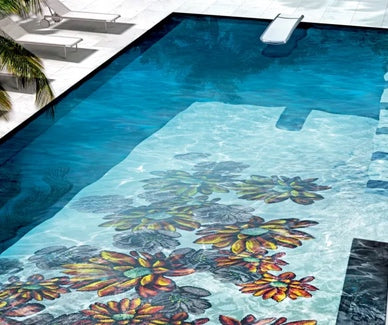
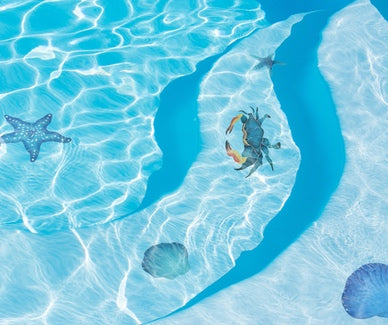
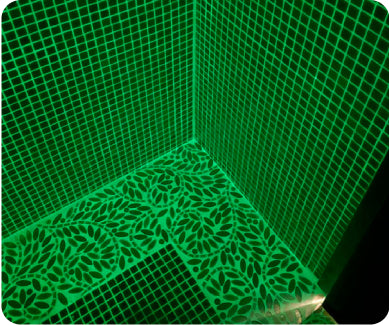
Full pool tile extends porcelain tile across the floor, walls, steps, benches, and other interior surfaces. This creates a luxurious finish often seen in custom pools, resorts, and upscale residential projects. Fully tiled pools offer exceptional durability, outstanding aesthetics, and virtually unlimited design possibilities.
Whether you choose a simple waterline accent or a completely tiled interior, porcelain pool tile delivers timeless style and reliable performance.
Porcelain Pool Tile vs Glass Pool Tile
Both porcelain and glass pool tile are beautiful options, but they each offer different advantages.
Porcelain pool tile is known for its strength, scratch resistance, and long lifespan. It is available in countless colors, finishes, and patterns, making it easy to create traditional, contemporary, or modern pool designs. Porcelain also provides excellent value and requires very little maintenance.
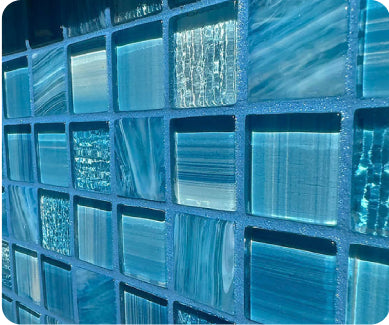
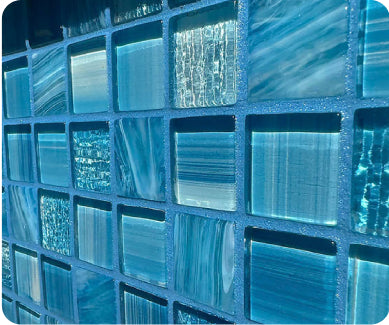
Glass pool tile offers unmatched brilliance and reflects sunlight beautifully, creating shimmering water effects. It is often used as an accent or decorative feature to add visual depth and elegance.
Many homeowners choose porcelain for larger installations because it combines durability, affordability, and design flexibility. Others incorporate glass mosaics alongside porcelain tile to create unique focal points around spas, water features, or tanning ledges.
Porcelain Pool Tile vs Ceramic Pool Tile
Although porcelain and ceramic tiles may appear similar, porcelain is generally considered the superior option for swimming pools.
Porcelain is manufactured using finer clay and fired at higher temperatures, resulting in a denser and more durable product. This low water absorption rate makes porcelain highly resistant to moisture, freezing temperatures, stains, and pool chemicals.
Ceramic tile can perform well in certain applications, but it typically absorbs more moisture and may not provide the same long term durability in underwater environments.
For homeowners seeking a pool finish that maintains its beauty for years with minimal upkeep, porcelain pool tile remains one of the best available choices.
Best Colors for Porcelain Pool Tile
Color plays a significant role in determining the overall appearance of your swimming pool. Different porcelain pool tile colors influence how the water looks throughout the day.
Blue porcelain pool tile remains the most popular choice because it creates the classic crystal blue water many homeowners desire. White and light gray tiles produce bright, inviting water with a clean and sophisticated feel.
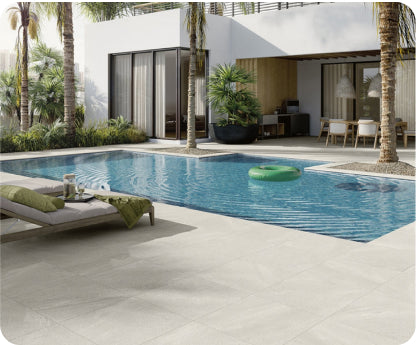
Dark gray, charcoal, and black porcelain pool tile create rich, reflective water that delivers a sleek contemporary appearance. Earth tones such as beige, tan, and natural stone inspired finishes blend beautifully with outdoor living spaces and tropical landscaping.
When selecting a color, consider your home's architecture, surrounding patio materials, landscaping, and the atmosphere you want to create.
Popular Pool Tile Sizes
Porcelain pool tile is available in a variety of sizes that accommodate nearly every design style.
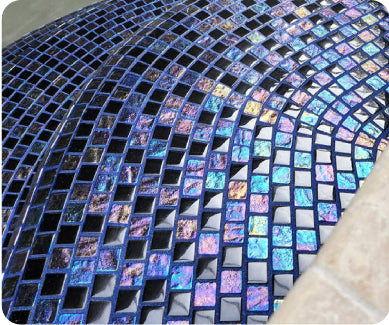
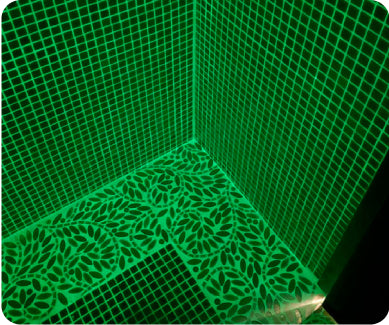
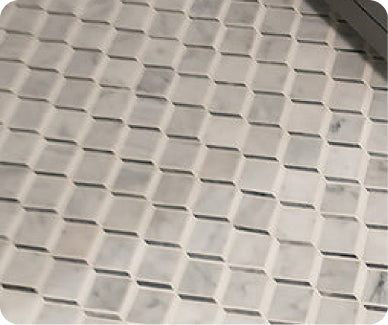
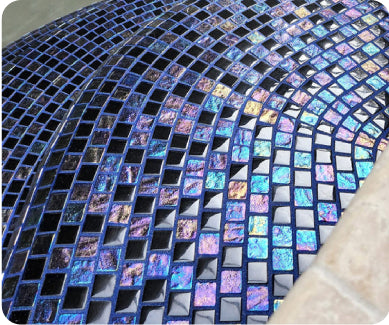
Smaller tiles such as 1 inch and 2 inch mosaics are commonly used on curved surfaces, steps, benches, spas, and water features because they easily conform to rounded shapes.
Larger formats such as 6 x 6, 6 x 12, and 12 x 24 tiles create clean lines and a more modern appearance. These larger sizes reduce grout lines and help produce a seamless, elegant finish.
The best tile size depends on the layout of your pool, the desired aesthetic, and the areas where the tile will be installed.
Pool Tile Installation Tips
Proper installation is essential for maximizing the performance and longevity of porcelain pool tile.
Always prepare the substrate carefully before installation to ensure a clean, level, and stable surface. Use high quality thin set mortar and pool grade grout specifically designed for submerged applications. These materials help create a strong bond while resisting moisture and chemicals.
Plan your tile layout before installation begins to minimize small cuts and maintain consistent grout lines throughout the project. Allow adequate curing time before filling the pool with water.
Professional installation helps ensure beautiful results and can significantly extend the life of your pool tile investment.
Maintaining Porcelain Pool Tile
One of the greatest advantages of porcelain pool tile is its ease of maintenance.
Routine cleaning with a soft brush and mild cleaning solution helps remove dirt, sunscreen residue, and mineral deposits before they accumulate. Regular water chemistry testing also protects both the tile and grout by maintaining balanced pH and sanitizer levels.
Because porcelain is highly resistant to stains and moisture, it requires far less maintenance than many alternative pool finishes. Periodic inspection of grout joints and expansion joints helps identify small issues before they become larger repairs.
With proper care, porcelain pool tile can maintain its original beauty for decades.
Why Porcelain Lasts Longer Than Ceramic
Porcelain has earned its reputation as one of the most durable pool tile materials available.
Its dense composition makes it highly resistant to cracking, fading, moisture absorption, and chemical exposure. Porcelain also performs exceptionally well in regions that experience freeze thaw cycles because very little water penetrates the tile itself.
In addition to its structural strength, porcelain resists scratches and everyday wear, allowing it to retain its appearance even in heavily used residential and commercial pools.
For homeowners seeking a long lasting investment, porcelain pool tile consistently delivers exceptional value through years of dependable performance.
Choosing Pool Tile for Modern Pools
Modern pool designs emphasize clean lines, simple color palettes, and premium materials that create a sophisticated outdoor living environment. Porcelain pool tile complements these contemporary trends with its versatility and refined appearance.
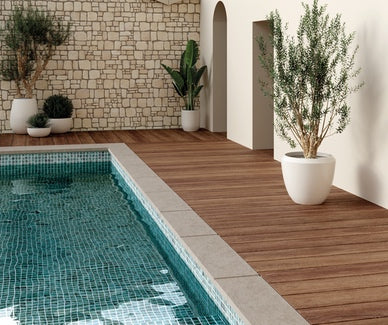
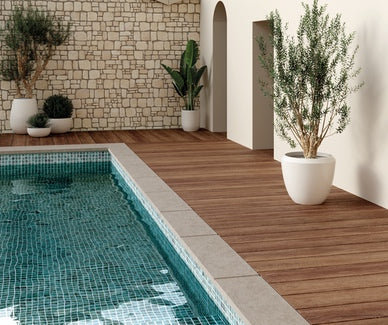
Large format porcelain tiles, subtle textures, and neutral colors remain popular choices for modern pools. Shades of white, gray, charcoal, and soft blue create elegant water colors while pairing beautifully with natural stone decking, outdoor kitchens, and contemporary landscaping.
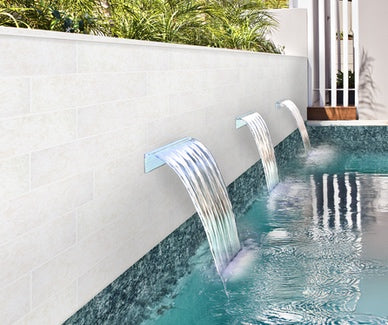
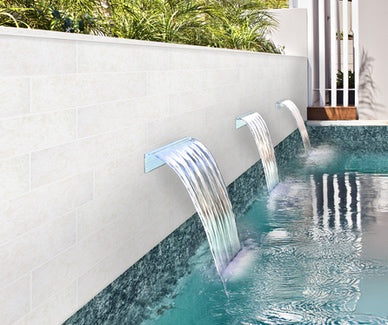
Many designers also combine porcelain tile with linear drains, infinity edges, tanning ledges, and integrated spas to create a cohesive luxury aesthetic.
Whether you're building a new swimming pool or renovating an existing one, porcelain pool tile offers the durability, style, and design flexibility needed to create a beautiful backyard retreat that will be enjoyed for years to come.
FAQ
What is the difference between pool tiles and regular tiles?
Pool tiles are specifically designed to withstand constant exposure to water, chemicals, and varying temperatures, making them highly durable and non-porous. Regular tiles, on the other hand, are generally used for indoor flooring or walls and may not have the same water and chemical resistance, making them unsuitable for submerged or constantly wet environments.
Are there disadvantages to porcelain pool tiles?
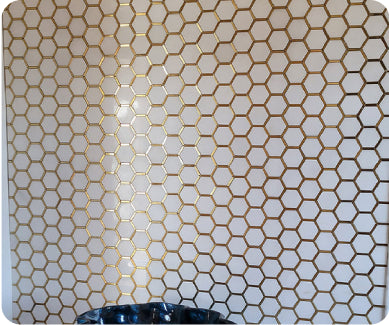
Aside from the lack of iridescent and shimmering finishes available with glass pool tiles, there are virtually no disadvantages to choosing porcelain pool tile for your new pool or pool remodel. In fact, it is arguably the most durable material type and a timeless classic. Be sure to explore our new and trending porcelain tiles, including zellige looks, at AquaBlu!
How long does pool tile last?
Predicting waterline and accent pool tile lifespan is tricky, as it hinges on numerous factors. Quality of materials, expert installation, and consistent maintenance are paramount. While waterline and accent tiles typically endure 10-20 years, influenced heavily by climate and chemical exposure. Comparative to plaster pool finishes, an , when meticulously installed and cared for, can last virtually indefinitely, a significant advantage. Regular cleaning and balanced pool chemistry are crucial across all tile types, ensuring longevity and preserving the aesthetic appeal of your pool. If you want tiles that last be sure to higher a qualified installer, follow recommended installation procedures as presented by the TCNA (Tile Council of North America), use proper installation materials and select pool tile from reputable brands and sources that are made specifically for outdoor and submerged applications.
What is the most durable pool tile?
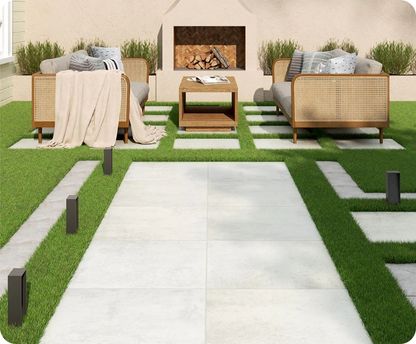
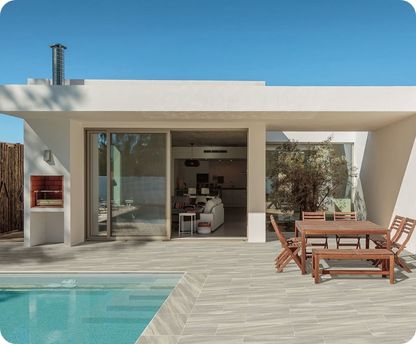
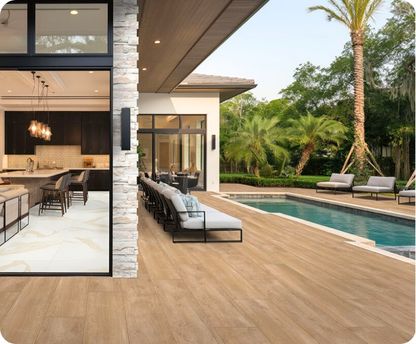
For maximum pool longevity, porcelain tiles are the top choice. For pool tile, porcelain excels due to its extremely low water absorption, resisting stains, cracks, and chemical damage. For pool decking, 2cm porcelain pavers offer superior durability. Their thickness withstands heavy use, and their low absorption and chemical resistance ensure lasting performance in outdoor pool environments. Be sure to explore AquaBlu's new and trending porcelain pool tile collections, as well as the largest curated collection of 2cm porcelain pavers and coping.
What type of tiles are best for a swimming pool?
Porcelain and glass tiles are generally considered the best options for swimming pools due to their durability, water resistance, and aesthetic appeal. Porcelain tiles are non-porous and resistant to chemicals, making them ideal for both the pool interior and surrounding areas. Glass tiles, while often more expensive, provide a luxurious look with vibrant colors and can also withstand pool chemicals and water exposure.
What application areas are suitable for porcelain pool tiles?
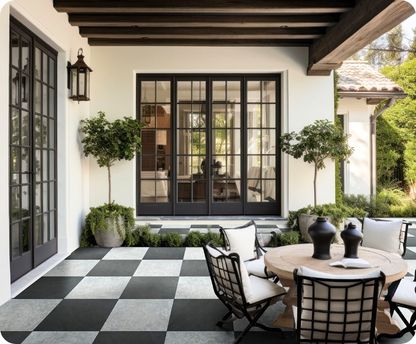
Porcelain pool tiles are versatile, suitable for various applications including pools, spas, kitchens, and bathrooms. Many pool tiles are ideal for both indoor and outdoor settings, offering durable and attractive solutions. This versatility means you can maintain a consistent design theme across different spaces. Speak to one of our customer support representatives for assistance picking the perfect product!
What is the best type of pool tile?
Porcelain pool tile is one of the best choices for swimming pools because it is extremely durable, highly resistant to water absorption, and designed to withstand pool chemicals, changing weather conditions, and everyday use. It also offers a wide variety of colors, finishes, and styles to complement any pool design.
Is porcelain pool tile waterproof?
Porcelain pool tile is highly water resistant due to its dense composition and very low water absorption rate. This makes it an excellent material for underwater applications, including pool interiors, spas, fountains, and water features.
Can porcelain pool tile be used in saltwater pools?
Yes. Porcelain pool tile performs exceptionally well in both traditional chlorine pools and saltwater pools. Its non porous surface helps resist corrosion, staining, and damage caused by salt and other pool chemicals.
How long does porcelain pool tile last?
With proper installation and routine maintenance, porcelain pool tile can last for decades. Its durability makes it a long term investment that maintains its appearance even in heavily used residential and commercial pools.
Does porcelain pool tile fade in the sun?
High quality porcelain pool tile is manufactured to resist fading from prolonged exposure to sunlight. The color is baked into the tile during production, helping it maintain its beauty for many years.
Is porcelain pool tile slippery?
Many porcelain pool tiles are available with textured or slip resistant finishes that provide additional traction around wet areas. Selecting the appropriate finish depends on where the tile will be installed, such as pool decks, steps, or tanning ledges.
Can porcelain tile be used for pool steps?
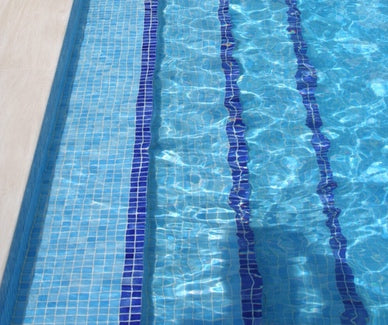
Absolutely. Porcelain pool tile is an excellent choice for pool steps because it offers durability, water resistance, and a wide range of attractive finishes. Textured options can improve traction and enhance safety.
What grout should be used with porcelain pool tile?
Pool installations should always use a high quality pool grade grout designed for submerged applications. These specialty grouts provide superior strength, water resistance, and long term performance in swimming pools.
How do I clean porcelain pool tile?
Routine cleaning with a soft brush and a mild, non abrasive cleaner is typically all that is needed. Keeping your pool water properly balanced also helps minimize calcium buildup and staining along the tile surface.
Can porcelain pool tile crack?
Porcelain is one of the strongest tile materials available, but improper installation, structural movement, or significant impact can occasionally cause damage. Professional installation greatly reduces the risk of cracking.
Does porcelain pool tile require sealing?
Most porcelain pool tile does not require sealing because its surface is naturally dense and resistant to moisture. However, grout lines may benefit from sealing depending on the type of grout used.
Can I mix different pool tile colors?
Yes. Combining multiple porcelain pool tile colors is a popular way to create custom designs, decorative borders, waterline accents, or unique mosaic patterns that complement your outdoor living space.
What size porcelain pool tile should I choose?
The ideal tile size depends on your project. Smaller mosaics work well on curved surfaces, steps, and spas, while larger format tiles create a clean, modern appearance on walls and other flat surfaces.
Is porcelain pool tile resistant to chlorine?
Yes. Porcelain pool tile is highly resistant to chlorine, salt, and other common pool chemicals when proper water chemistry is maintained. This helps preserve both its appearance and long term durability.
Can porcelain pool tile be used for spas and hot tubs?
Porcelain tile is an excellent option for spas, hot tubs, and attached water features. Its resistance to heat, moisture, and chemicals makes it well suited for these demanding environments.
How much extra pool tile should I order?
Most professionals recommend ordering approximately 10 to 15 percent more tile than your project requires. This allows for cuts, waste during installation, and future repairs if replacement tiles are ever needed.
What color pool tile makes water look the bluest?
Blue porcelain pool tile generally produces the classic bright blue water that many homeowners prefer. Lighter blue shades create a vibrant tropical appearance, while darker blues produce deeper, richer water tones.
Is porcelain pool tile a good choice for cold climates?
Yes. Because porcelain absorbs very little water, it performs exceptionally well in areas that experience freezing temperatures. Its resistance to freeze and thaw cycles makes it a reliable option for outdoor pools in many climates.
Can porcelain pool tile increase my home's value?
A professionally designed swimming pool featuring premium porcelain tile can enhance curb appeal, elevate your outdoor living space, and contribute to the overall attractiveness of your property for future buyers.
Why choose porcelain over other pool finishes?
Porcelain pool tile combines exceptional durability, timeless style, low maintenance, and outstanding resistance to water, stains, and chemicals. These qualities make it one of the most popular and trusted finishes for luxury residential and commercial swimming pools.


