













































Buyer's Guide: 1" x 1" Porcelain Mosaic Tile
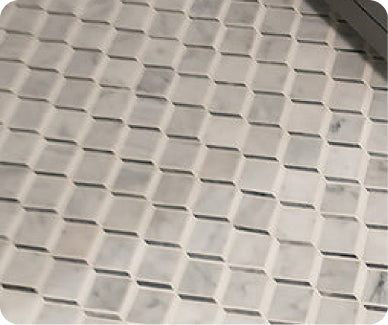
Designing wet environments like swimming pools, spa sanctuaries, custom showers, and kitchen cooking zones requires materials that deliver unyielding durability without sacrificing artistic expression. Among the vast array of surface options available to homeowners, architects, and designers, small square format units measuring one inch by one inch stand out as an enduring favorite. These compact squares combine old world artisanal charm with modern material performance, creating visually dynamic surfaces that handle moisture with complete ease.
Small format mosaics have been utilized for centuries to adorn grand bathhouses and intricate pool basins. Today, modern manufacturing techniques allow these tiny squares to offer superior strength, precise dimensions, and an infinite spectrum of colors, textures, and finishes. Whether wrapping around curved spa seating, lining a high traffic shower pan, or forming a vibrant kitchen accent behind a cooktop, these versatile mini squares elevate ordinary spaces into extraordinary retreats.
Understanding Material Strength And Porosity
When evaluating materials for submersed or moisture heavy environments, performance begins at the physical level. High density vitrified clay is fired at extreme temperatures, often exceeding two thousand degrees Fahrenheit. This intense thermal process fuses the raw minerals into a dense, solid mass with virtually zero internal voids.
The defining technical characteristic of high grade vitrified clay is an exceptionally low water absorption rate, typically classified as less than zero point five percent. In practical terms, this low absorption profile delivers significant engineering advantages for wet installations:
-
Freeze and Thaw Resistance: In outdoor swimming pools or cold climate spas, water that penetrates porous materials expands when frozen, leading to cracks, pops, and structural failure. Low absorption prevents water infiltration, preserving the installation through harsh winters.
-
Chemical Resistance: Pool water treated with chlorine, salt systems, or water balancing chemicals can erode softer stone or low quality ceramics over time. Dense vitrified material resists chemical degradation, maintaining its color and surface smooth finish.
-
Stain and Mold Prevention: In indoor showers and kitchen cooking zones, organic oils, soap scum, and moisture cannot penetrate the surface density, making the installed floor or wall highly resistant to deep seated mold, mildew, and stubborn staining.
Unmatched Versatility In Curved And Custom Spaces
One of the greatest design challenges in pool, spa, and shower construction is navigating non linear architecture. Standard large slab units or broad rectangular formats struggle with sloped floors, rounded steps, barrel vaulted steam room ceilings, and contoured spa bench seating. Attempting to install large pieces over curved surfaces results in awkward relief cuts, sharp edges, and compromised waterproofing.
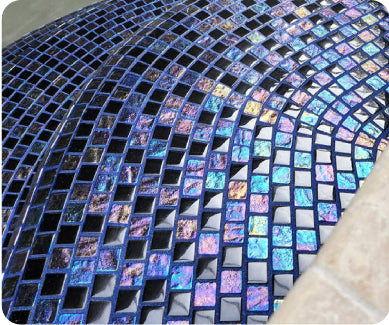
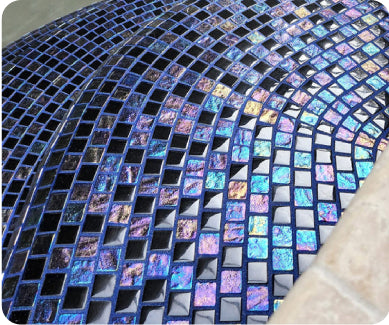
This is where tiny one inch squares excel. Because these units are arranged on flexible mesh or paper faced backing sheets, they easily conform to complex three dimensional shapes.
-
Fluid Transitions: They wrap smoothly over radius pool steps, sun shelves, and raised spa spillways without requiring harsh, jagged cuts.
-
Proper Drainage Pitching: In custom walk in showers or commercial steam rooms, floors must slope downward toward the drain to ensure quick water evacuation. Small format units articulate across steep floor pitches seamlessly, preventing water pooling in corners.
-
Ergonomic Seating: Spa benches and contoured loungers lined with compact mosaic sheets fit the natural curves of the human body, providing a smooth, comfortable surface that feels pleasant against bare skin.
Enhancing Safety With Slip Resistant Traction
Slip and fall safety is a paramount concern for any floor exposed to continuous standing water, soap, or barefoot foot traffic. While smooth, broad surfaces can become dangerously slick when wet, small format mosaic installations inherently offer built in slip resistance.
The safety benefit comes directly from the grid of grout lines running between each tiny square. In a standard installation of one inch squares, roughly fifteen to twenty percent of the total surface area consists of grout joints. These micro channels break up hydroplaning water films and provide foot traction, allowing bare feet to grip the floor securely.
For high risk zones such as pool decks, zero entry shower pans, commercial changing areas, and wet room floors, choosing a matte or textured finish on the tiny squares further increases static coefficient of friction. This creates a stylish, high traction floor that protects family members and guests without requiring unsightly rubber mats or abrasive topical coatings.
Creative Design Application Across Wet Environments
Swimming Pools And Elevated Spas
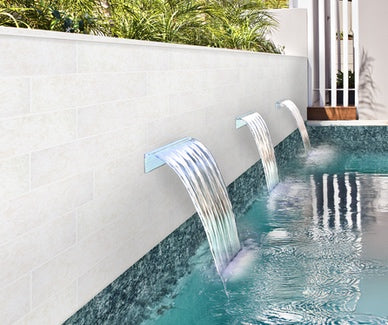
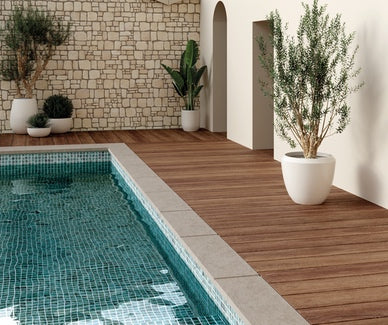
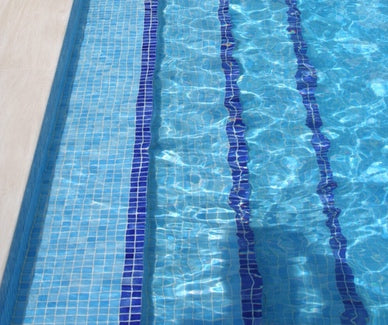
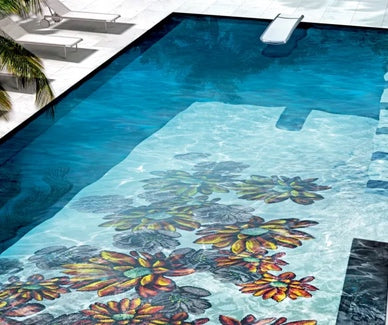
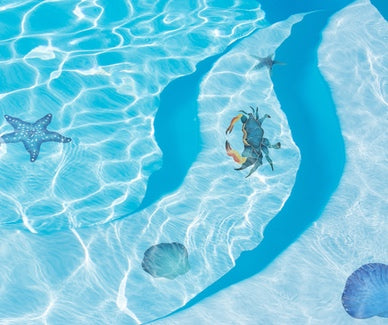
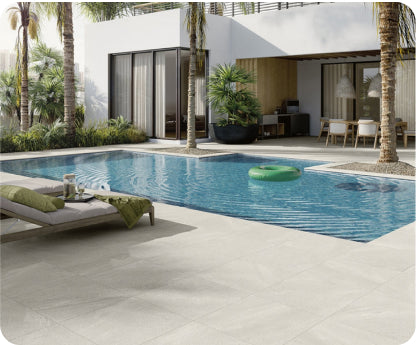
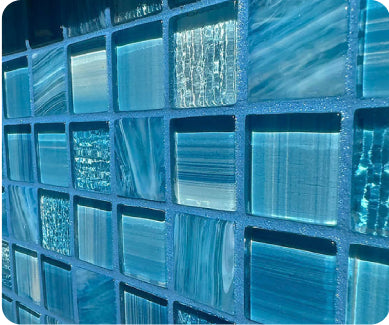
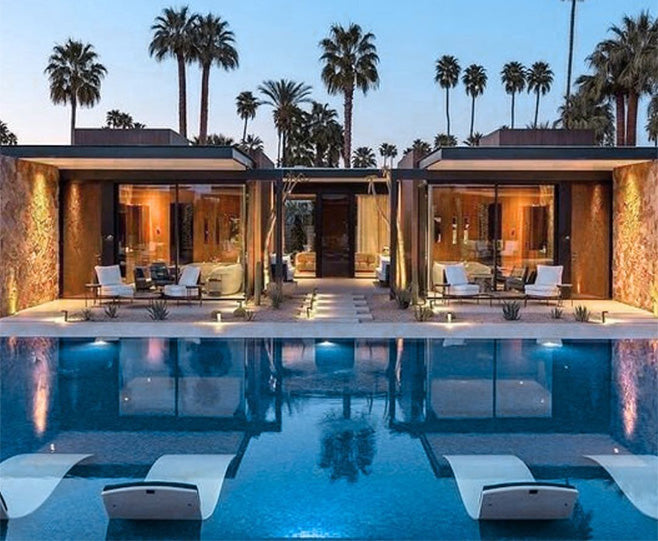
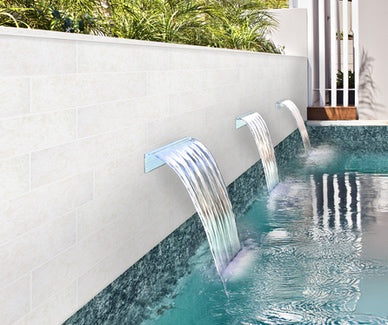
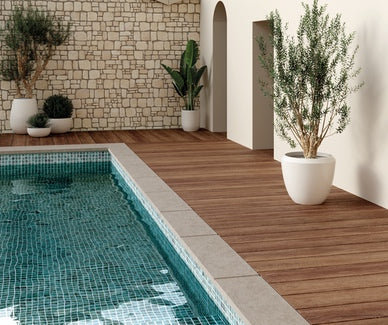
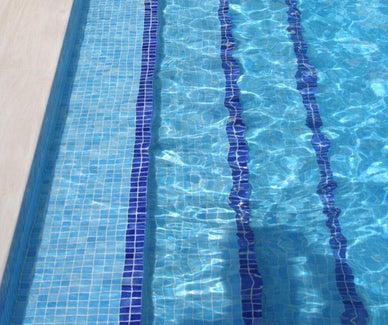
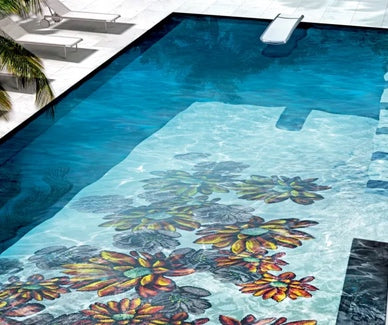
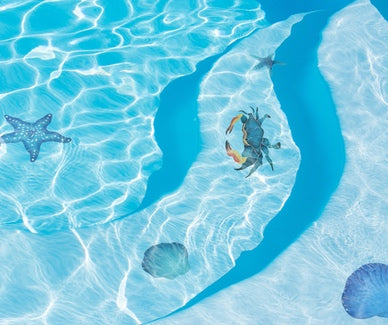
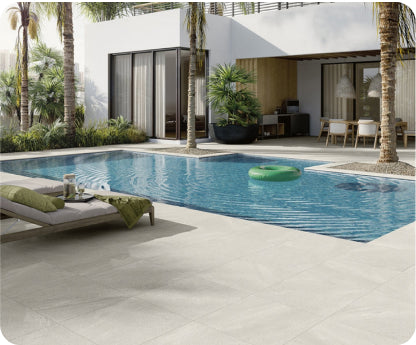
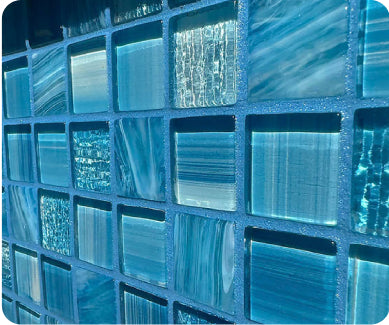
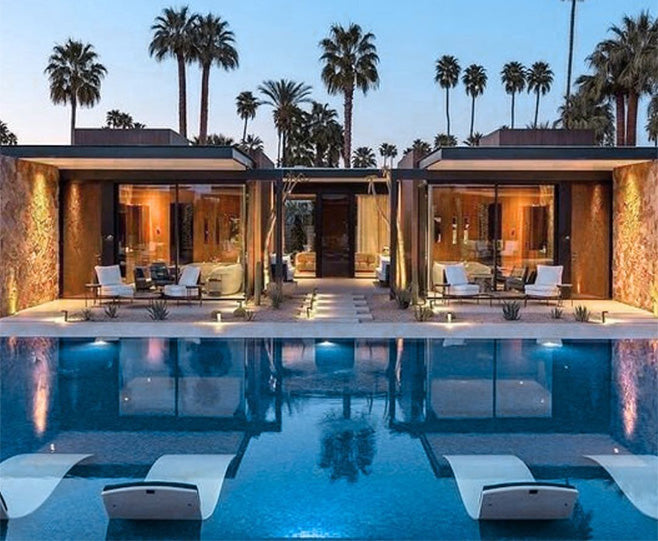
Lining an entire pool basin with tiny squares creates a luxurious, resort style atmosphere. As sunlight strikes the submerged surface, the grid pattern refracts light, giving the water a mesmerizing, crystalline sparkle. Designers often use dark cobalt blue or deep aqua shades to create a dramatic, oceanic depth, or light blues and iridescent white tones to mimic shimmering tropical shallows. Beyond full pool linings, these small squares are ideal for waterlines, step indicators, infinity edges, and decorative focal walls behind water features.
Custom Showers And Steam Rooms
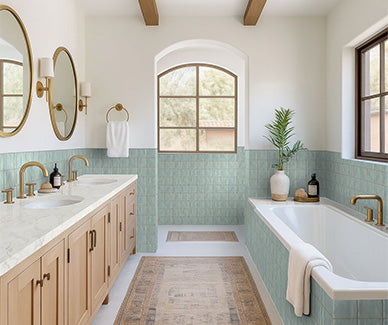
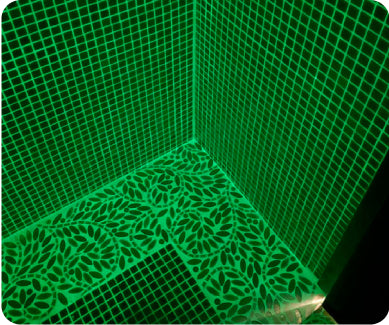
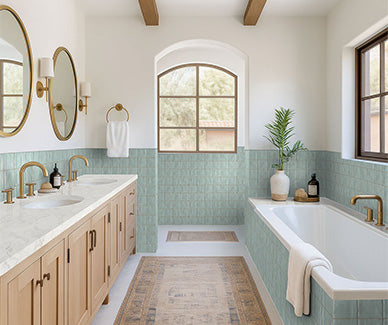
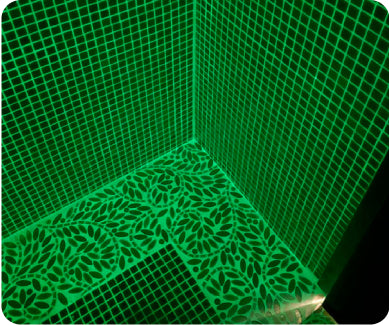
Modern bathroom design favors floor to ceiling tile applications that evoke a private spa experience. Using compact squares across the shower floor creates a seamless visual connection while guaranteeing proper pitch toward the drain. Carrying the same small format design up accent walls, inside recessed shampoo niches, or across steam room benches adds rich texture and spatial continuity. Mixing complementary colors or creating custom ombre transitions from floor to ceiling transforms a basic shower stall into a custom art installation.
Kitchen Backsplashes And Accent Walls
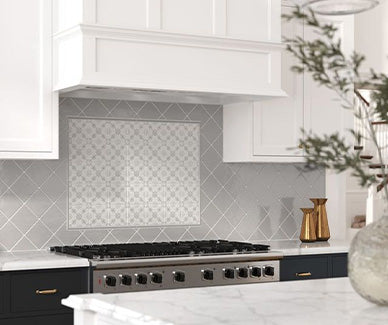
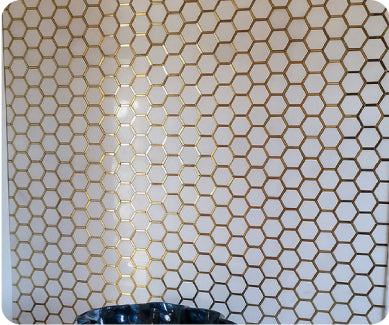
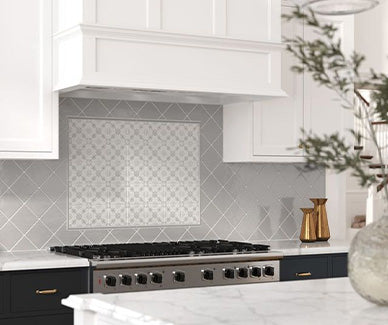
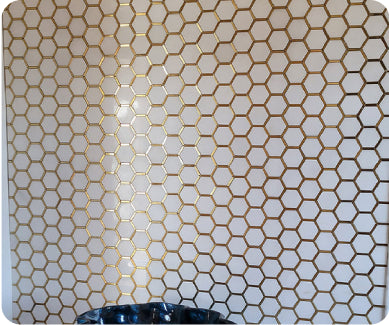
While small format mosaics shine underwater, they are equally effective in dry and semi wet culinary settings. A kitchen backsplash faced with miniature porcelain squares adds intricate visual interest that balances large, smooth countertops and flat panel cabinetry. The dense glaze protects against grease splatters, hot steam from boiling pots, and food stains, allowing quick cleanup with a simple damp cloth. Choosing metallic, matte, or satin glazes allows homeowners to customize light reflection and texture behind sinks and ranges.
Installation Guidelines For Long Term Success
Achieving a flawless, long lasting installation with small format mosaics requires careful prep work and skilled craft execution. Because tiny squares reveal underlying surface imperfections quickly, proper installation protocols must be followed.
-
Substrate Preparation: The mounting wall or floor substrate must be completely flat, clean, and structurally sound. For pool basins and shower enclosures, suitable waterproofing membranes must be applied and fully cured before setting tile.
-
Adhesive Selection: High performance, polymer modified thinset mortars formulated specifically for dense, low absorption materials should be used. For submerged pool and spa applications, epoxy setting mortars or premium marine grade thinsets ensure an unbreakable bond.
-
Trowel Size Control: Setting miniature squares requires a small notched trowel, typically three sixteenths of an inch. Using too deep of a mortar bed forces thinset up through the joints between the tiny squares, creating tedious cleanup before grouting.
-
Grout Selection: Because grout makes up a significant portion of the finished field, high performance grout selection is vital. High grade cementitious grouts with stain repellents work well for standard indoor applications, while full epoxy grouts are recommended for submerged pools, hot tubs, and steam rooms due to their zero porosity and chemical resistance.