Buyer's Guide: Zellige-Look Tile
There is something special about the way handcrafted tile interacts with light. Slight differences in color, surface texture, edges, and sheen create a finished installation that feels collected and artistic rather than perfectly uniform. That is a major reason the Zellige aesthetic has become so popular in kitchens, bathrooms, outdoor spaces, and pool design.
Modern versions capture that character while using materials designed for everyday performance. Instead of working with genuinely handmade clay tile, homeowners and designers can choose porcelain or ceramic options that recreate the tonal variation, glossy surfaces, softened edges, and artisanal appearance associated with traditional Moroccan tile.
The challenge is choosing the right option. With so many colors, shapes, sizes, finishes, and applications available, shopping based on appearance alone can lead to the wrong choice for a particular space. This guide covers what to consider before ordering and how to narrow down the options for your project.
Understanding The Look
Traditional Zellige is a Moroccan tile tradition known for handcrafted variation and distinctive geometric tilework. Individual pieces can feature differences in color, shape, thickness, texture, and glaze, creating an installation with a naturally varied appearance. These characteristics are part of the appeal rather than signs that the material is imperfect.
The modern interpretation takes those visual qualities and adapts them to contemporary tile manufacturing. The result can have an intentionally irregular appearance while offering the predictable dimensions and performance characteristics expected from factory-produced tile.
This makes the style especially useful for projects where you want warmth and personality without committing to a highly ornate pattern. A simple rectangular installation can feel much more interesting when the surface has subtle variation. Likewise, a neutral color can have plenty of depth when light reflects differently from one piece to the next.
Ceramic Or Porcelain?
One of the first decisions to make is the tile material. Both ceramic and porcelain options can deliver a handcrafted appearance, but they are not identical.
Porcelain is classified by the tile industry as an impervious material with water absorption of 0.5% or less when tested according to the applicable standard. That low absorption makes porcelain particularly useful in many demanding applications.
Ceramic tiles can also be an excellent choice, particularly for walls and decorative applications. The important thing is to look at the specifications for the individual tile rather than assuming every product is appropriate for every installation.
The current AquaBlu collection includes both ceramic and porcelain selections, so shoppers can compare the aesthetic they want against the performance requirements of their project.
For a kitchen backsplash or bathroom wall, appearance, size, finish, and installation requirements may be the primary considerations. For an outdoor or pool application, environmental exposure and the manufacturer's approved areas of use become much more important.
Choose Based On The Application
Where the tile will be installed should influence the buying decision from the beginning.
Kitchen Backsplashes
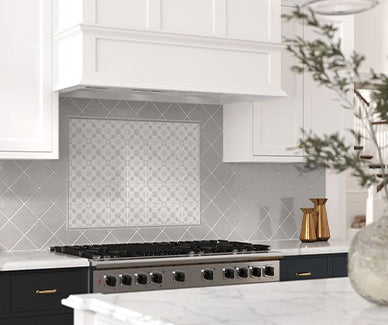
This style works particularly well behind counters, ranges, and sinks because it brings visual interest without requiring an elaborate pattern. A softly varied white or cream can create a warm, timeless backsplash, while blue, green, or deeper shades can become the focal point of the room.
For a smaller backsplash, compact rectangular pieces can emphasize the handcrafted character. A traditional running bond can keep the installation simple, while stacked layouts can create a cleaner, more contemporary appearance.
Bathrooms And Showers
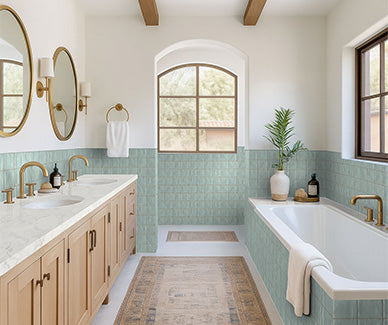
Bathrooms are another natural fit. Glossy surfaces can reflect light around a shower or vanity area, while color variation adds dimension to what might otherwise be a very simple wall.
For shower installations, always verify that the specific product is approved for the intended application. Water exposure alone does not determine whether a tile is appropriate for every surface, so product specifications and installation requirements should be reviewed before ordering.
Pools And Outdoor Spaces
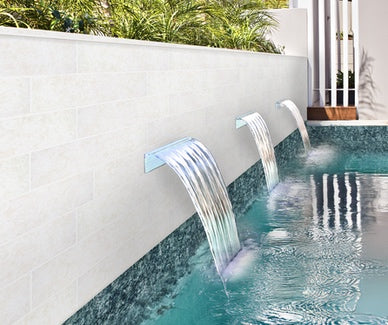
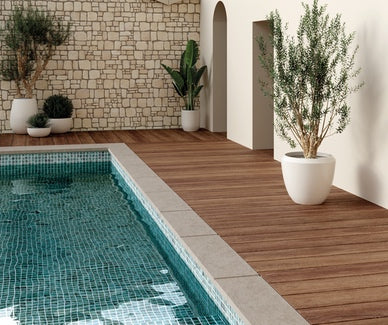
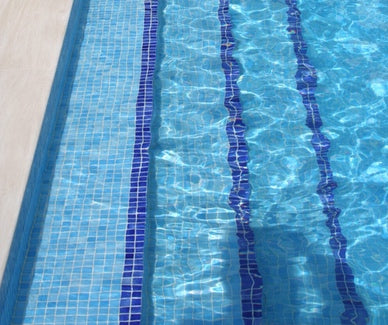
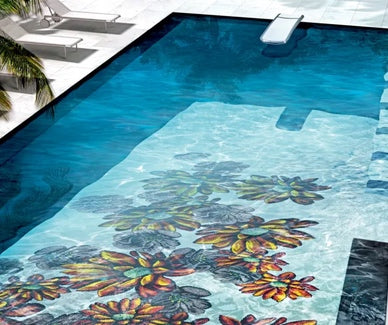
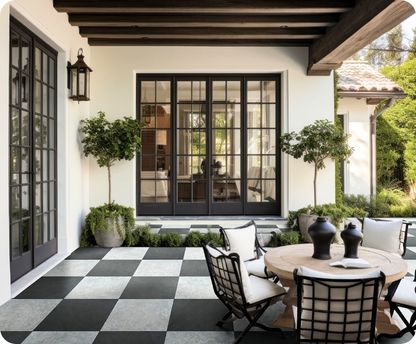
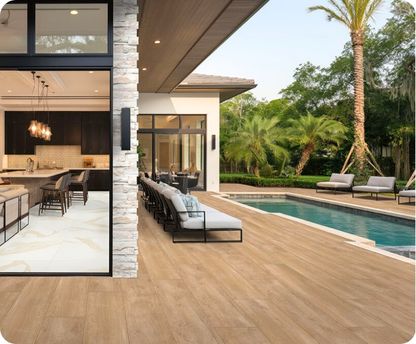
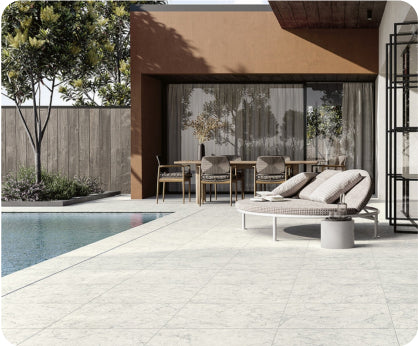
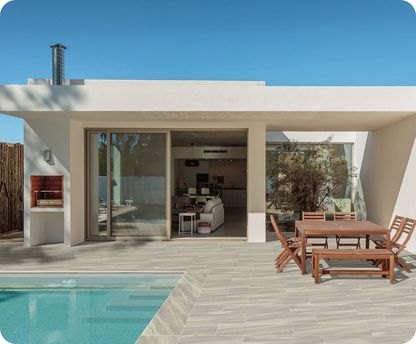
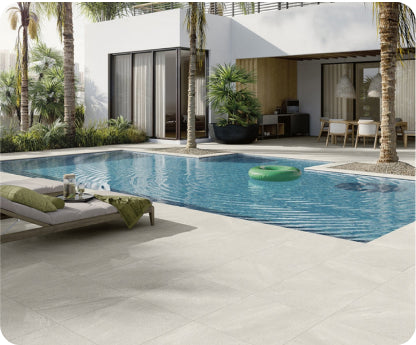
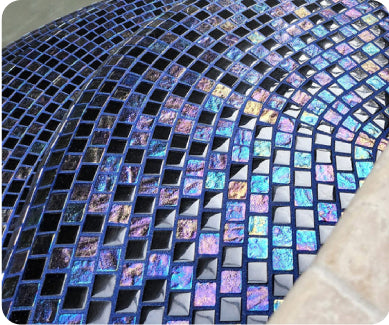
The handcrafted appearance can also bring a softer, more residential feel to pool and exterior designs. AquaBlu's collection currently provides filters for pool and outdoor applications, along with features such as frost-proof and slip-resistant options.
This is an area where performance should take priority over appearance. Look for a product specifically rated for the conditions where it will be installed, including exposure to moisture, temperature changes, sunlight, and foot traffic when applicable.
A product that looks perfect in a kitchen is not automatically the right choice for a pool or outdoor installation.
Consider Shape And Size
Shape has a major effect on the final appearance, even when two tiles have similar colors and finishes.
Rectangular pieces are among the most versatile. Smaller formats can create a more traditional handmade feel, while longer formats can produce a more streamlined installation. Square pieces offer a classic appearance and can be installed in straightforward grids or offset layouts.
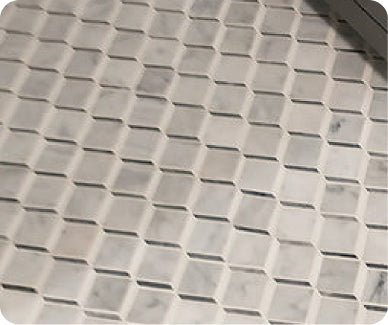
The current collection includes a broad range of rectangular and square formats, as well as linear, picket, hexagonal, and geometric options. Sizes range from compact formats such as 2-by-6 inches and 2-by-8 inches to larger options including 6-by-6 inches and beyond.
When comparing sizes, think about the scale of the room. A tiny tile can look beautiful across a backsplash but may feel visually busy across a large wall. Conversely, a larger format may provide a calmer appearance in an expansive space.
Decide How Much Variation You Want
Not every homeowner is looking for the same level of movement.
Some designs feature subtle shifts that are noticeable when viewed up close but still create a relatively quiet overall surface. Others have stronger tonal variation, creating a more dramatic handcrafted effect.
Consider the other materials already present in the room. If you have bold cabinetry, patterned countertops, decorative lighting, or elaborate flooring, a more restrained tile may help balance the space.
For a minimal room, stronger variation can add character without requiring additional decoration.
It is also useful to think about lighting. Glossy surfaces can look dramatically different under natural daylight, warm evening lighting, and bright task lighting. A color that appears relatively soft in one environment may become much more vibrant in another.
Pay Attention To The Finish
Finish can change the personality of the same color.
Glossy surfaces reflect more light and can emphasize the variation within each individual piece. This makes them popular for walls, backsplashes, and other areas where you want a lively surface.
Matte finishes tend to feel softer and more understated. Satin finishes fall somewhere in between, offering some reflection without the appearance of a highly polished surface.
The current assortment includes glossy, matte, satin, semi-glossy, and textured selections.
When shopping online, do not evaluate finish based solely on a product photograph. Photography, screen settings, and lighting can all change how a surface appears. Ordering a sample is one of the best ways to see the actual finish before committing to a large order.
Explore The Color Palette
Color is where this design style can move from subtle to statement-making.
White, ivory, cream, beige, and gray can create a quiet backdrop that works with a wide range of interiors. Blue and green introduce a more coastal or nature-inspired feel, while darker colors can add drama and contrast.
The current selection includes numerous neutral and saturated options, including aqua, beige, black, blue, brown, cream, gray, green, white, pink, red, and yellow.
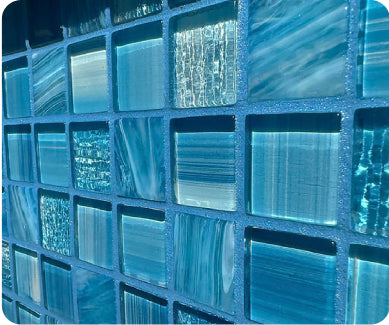
Do not judge the color only by the name. Two products described as blue, for example, may have completely different undertones. One might feel muted and coastal, while another could appear rich and jewel-like.
Samples become especially valuable when coordinating tile with cabinetry, stone countertops, paint, flooring, or pool finishes.
Think About Grout Before You Order
Grout is an important part of the overall design and should not be treated as an afterthought.
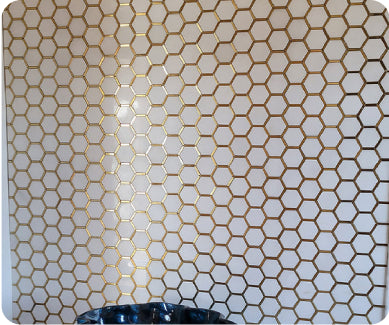
A contrasting grout color can emphasize the individual edges and shape of each piece. A grout shade closer to the tile can create a quieter appearance and allow color variation within the tile itself to take center stage.
The width of the grout joint also influences the final look. Because many products inspired by handmade tile feature visual variation, the installation can appear more organic with an appropriate joint rather than trying to make every piece disappear into a perfectly uniform surface.
Your installer should determine the appropriate grout and joint requirements based on the specific product and installation conditions.
Order Samples Before A Full Purchase
One of the most important steps in shopping for decorative tile is seeing the material in person.
A sample can help answer questions that online photography cannot. You can see how much color variation is actually present, how reflective the glaze is, whether the edges have the character you want, and how the material coordinates with other finishes in the room.
Place the sample where the tile will eventually be installed when possible. Look at it during the day and at night. View it next to countertops, cabinetry, flooring, paint, stone, or other major finishes.
For a large project, it can also be helpful to compare several samples side by side. This makes it easier to recognize differences in undertone and variation that may not be obvious when looking at each product individually.
Calculate Quantity Carefully
Once you have selected a tile, determine how much material the project requires based on the actual installation area and the product's selling unit.
Do not purchase based only on the exact square footage of the wall or floor. Cuts, corners, layouts, and future repairs can all affect how much material you need.
For products with noticeable visual variation, it can also be helpful to have enough material available to arrange pieces intentionally during installation. Your installer can provide guidance on appropriate overage based on the size and complexity of the project.
Also confirm that material is from the same product, color, and production run when consistency is important.
Check The Technical Specifications
A beautiful tile still needs to meet the needs of the project.
Before ordering, review the manufacturer's specifications for the intended application. Pay attention to material, dimensions, thickness, finish, water absorption where applicable, slip resistance when relevant, frost resistance for exterior installations, and any limitations regarding floors, walls, pools, or other surfaces.
This is particularly important when using a decorative style in a less traditional location. Not every attractive wall tile should be used on a floor, and not every product suitable for an interior wall is intended for exterior exposure.
AquaBlu's collection makes it possible to filter the assortment by application, material, color, shape, size, finish, features, thickness, and brand, which can help narrow the choices before diving into individual product specifications.
Plan The Installation Around The Tile
The goal is not necessarily to make a varied tile look perfectly uniform. Part of the appeal is allowing the material to retain some of its visual character.
Discuss the layout with your installer before work begins. Depending on the product, the installation may look better when color variation is distributed throughout the space instead of concentrating similar pieces in one area.
Corners, transitions, outlets, plumbing fixtures, niches, and other details should also be planned in advance. Small-format tile may require more cuts and grout joints, while larger pieces can affect how the design aligns around architectural features.
Choosing the tile and planning the installation together can make a significant difference in the final result.
Why This Style Works So Well
The enduring appeal comes down to balance. These tiles can look handmade and relaxed without making a room feel rustic. They can add color without relying on a complicated pattern. They can bring warmth to a modern interior while still feeling sophisticated.
Perhaps most importantly, they allow homeowners to introduce character without taking on all of the maintenance associated with more delicate natural materials.
For many projects, porcelain or ceramic offers a practical alternative to traditional clay while retaining the uneven edges, tonal shifts, and light-catching surfaces that make the aesthetic so appealing.
The best choice ultimately depends on how you want the finished space to feel and what the installation requires. Start with the application, narrow down the material and performance specifications, then compare color, shape, size, finish, and variation. With those factors considered together, it becomes much easier to find a style that looks beautiful and performs well for years to come.