Buyer's Guide to Pool Trim Tile: How to Choose the Right Finish for Your Pool
When designing or renovating a swimming pool, the finishing details can have a major impact on the overall appearance. Pool trim tile is one of those details that combines style and function, helping create clean transitions around steps, benches, edges, spillways, and other areas of the pool.
Unlike standard field tile, trim tile is specifically designed to finish exposed edges and create a polished transition between surfaces. Many styles feature rounded or bullnose edges that can help eliminate sharp borders while providing an attractive finishing detail.
With so many colors, sizes, materials, and profiles available, choosing the right trim can feel overwhelming. This buyer's guide will help you understand what to look for when selecting pool trim tile for your next project.
What Is Pool Trim Tile?
Pool trim tile is a specialized tile designed to finish the exposed edges of a pool or spa installation. It can be used along steps, raised walls, benches, spillways, water features, and infinity edges to create a smooth transition between tiled surfaces.
Trim tile is both decorative and practical. A properly selected edge piece can give your installation a more finished appearance while helping protect exposed tile edges from everyday wear. Rounded profiles can also create a more comfortable transition in areas where swimmers frequently come into contact with the tile.
Pool trim tile is available in a variety of designs, including rectangular pieces, step-specific profiles, and bullnose-style finishes. The best option depends on where the tile will be installed and how you want it to coordinate with the rest of your pool design.
Where Can Pool Trim Tile Be Used?
One of the first decisions to make is determining where you need trim tile. Different areas of a pool may call for different shapes or profiles.
Pool Steps
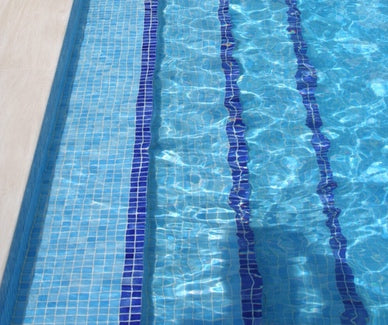
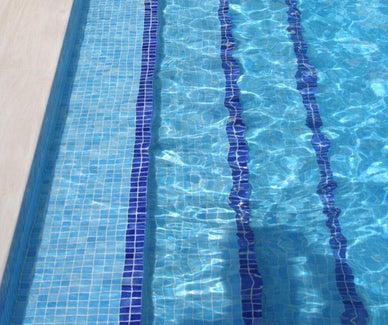
Steps are one of the most common applications for trim tile. A contrasting trim can make the edge of each step easier to identify while adding an attractive design element. Specialized step trim profiles can create a rounded transition that works particularly well on the front edge of pool steps.
Pool Benches and Swim-Outs
Trim tile can also be used around built-in benches and swim-out areas. These locations benefit from a smooth, finished edge that complements the surrounding pool tile.
Spillways and Water Features
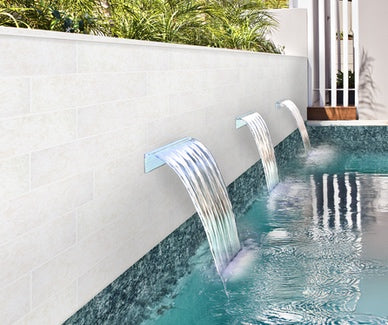
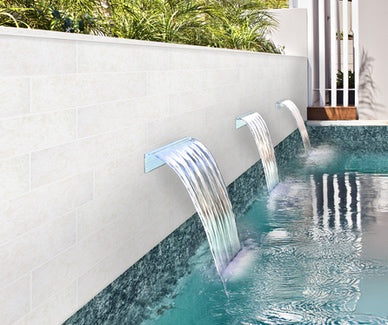
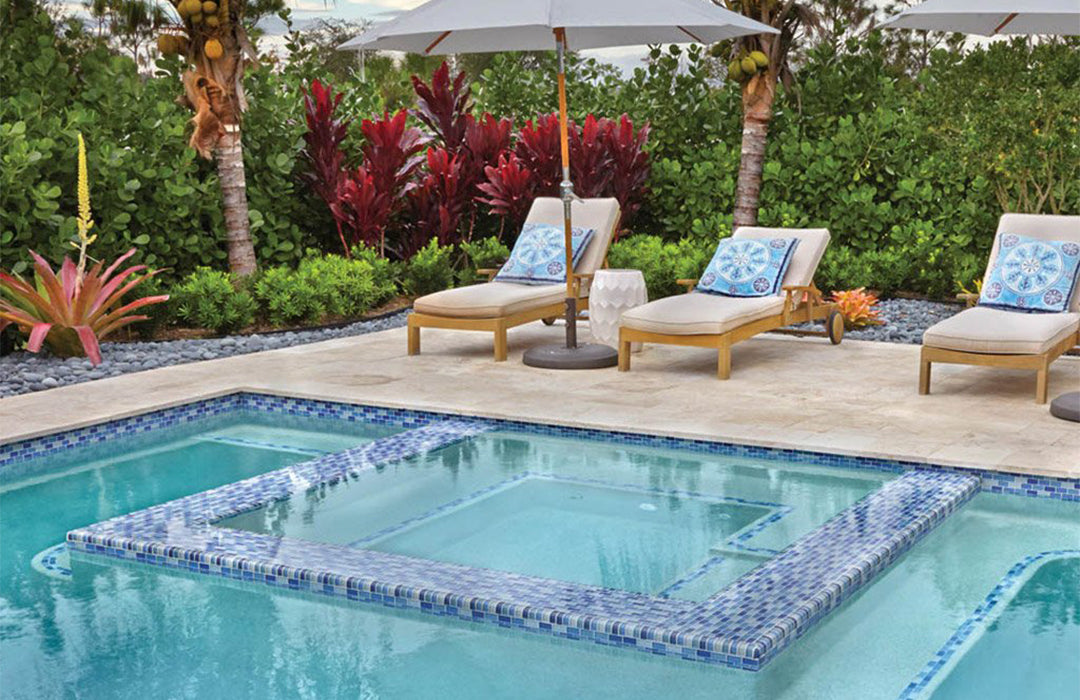
If your pool includes a raised spa, spillway, or decorative water feature, trim tile can help create a clean transition around the edge. Coordinating the trim with the surrounding tile can make the entire feature feel more intentional.
Infinity Edges
Infinity pools require careful attention to edge details. Trim tile can provide a finished appearance along selected areas of the edge while coordinating with the pool's broader tile design.
Choose a Material That Fits Your Pool
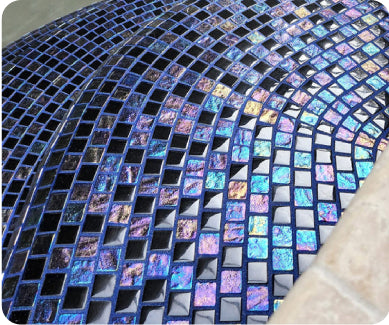
Material is another important consideration when shopping for pool trim tile. Glass is a popular choice for swimming pool applications because it can provide a vibrant appearance and reflect light beautifully beneath the water.
AquaBlu Mosaics offers pool tile in both glass and porcelain, with trim options available in a range of colors and styles.
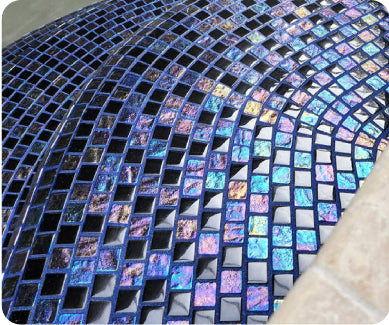
Glass trim can be particularly effective when you want to emphasize the color and movement of the water. Blue, aqua, turquoise, seafoam, and multicolor blends can create a classic pool aesthetic, while darker shades can provide contrast and a more contemporary appearance.
When selecting a material, always verify that the specific product is appropriate for your intended application. Pool environments expose tile to water, chemicals, sunlight, temperature changes, and regular use, so selecting a product designed for the conditions is essential.
How to Choose the Right Color
The right trim color can either blend into your existing tile or create a deliberate accent.
For a seamless appearance, choose trim that closely matches your primary pool tile. This approach works especially well for minimalist or contemporary pools where you want the architectural lines to remain subtle.
If you want the edges to stand out, choose a contrasting color. For example, a darker blue trim can define the edge of a lighter pool tile, while turquoise or aqua can reinforce a tropical or coastal design.
You can also use mixed-color blends to add visual movement without introducing a completely different color family. AquaBlu's collection includes blue, turquoise, seafoam, aqua, and mixed-blend trim options, providing plenty of ways to coordinate an edge treatment with the surrounding pool tile.
Consider the Size and Profile
Size matters because trim tile needs to fit the dimensions and shape of the area being finished.
Common pool trim formats include narrow rectangular pieces and larger edge pieces. Step-specific trim can also be designed around the dimensions of the step itself. The correct size will depend on the installation location, the surrounding tile format, and the desired visual effect.
Before ordering, carefully measure the areas where trim will be installed. Account for corners, curves, transitions, and any areas that require cuts. It is also a good idea to purchase some additional material to accommodate cuts and potential breakage during installation.
If you are replacing existing trim, measure the existing pieces before selecting a replacement. Matching the dimensions can make a renovation much easier.
Think About Safety and Comfort
Pool tile is exposed to wet conditions, so safety should always be considered when selecting materials and finishes. This is especially important for steps, seating areas, and other locations where swimmers regularly make contact with the tile.
A smooth, rounded trim profile can help eliminate sharp exposed borders and create a more comfortable transition. For areas where slip resistance is important, look for products specifically designed and rated for the intended application.
It is also important to distinguish between an attractive edge finish and a slip-resistant walking surface. Trim tile should be selected based on its specific purpose, and a qualified installer can help determine which products are appropriate for each area of your pool.
Coordinate Trim With Your Main Pool Tile
Your trim does not have to match your pool tile exactly. In fact, combining complementary colors and formats can create a more sophisticated design.
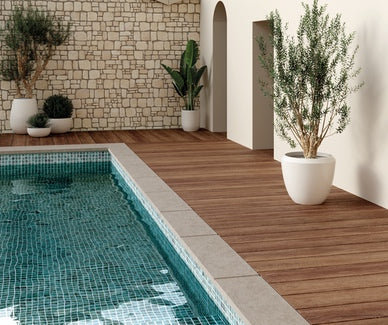
For example, a simple rectangular pool tile can be paired with a contrasting blue trim to create definition around steps and edges. A glass mosaic waterline can be complemented with a coordinating glass edge treatment. You can also use a similar color in a different shade to create subtle contrast.
The key is consistency. Look at your pool tile, coping, deck materials, water features, and surrounding landscape together before making your final selection. A trim color that looks excellent on its own may produce a very different effect once it is installed next to the rest of the pool.
Installation and Maintenance Considerations
Pool trim tile should be installed using materials and methods appropriate for submerged or consistently wet environments. The substrate, waterproofing system, adhesive, grout, expansion considerations, and installation technique can all affect the longevity of the finished installation.
AquaBlu recommends waterproof adhesives and grout designed for pool applications and notes the importance of proper waterproofing and professional installation.
Once installed, regular maintenance is relatively straightforward. Routine brushing and rinsing can help prevent buildup. For deeper cleaning, use a pool tile cleaner appropriate for the material and avoid abrasive tools or cleaners that could damage the tile surface.
Final Tips Before Buying Pool Trim Tile
Before placing your order, take a few minutes to confirm the details of your project:
- Measure the total length of each area requiring trim.
- Identify corners, curves, steps, benches, and transitions.
- Confirm the dimensions and profile of the trim pieces.
- Choose a material designed for your pool environment.
- Coordinate the color with your existing or planned pool tile.
- Consider whether you want the trim to blend in or create contrast.
- Order extra material for cuts and installation waste.
- Request samples when available so you can see the actual color and finish.
- Confirm installation requirements with your tile professional.
Pool trim tile may be a finishing detail, but it can have a significant impact on the appearance and functionality of your pool. The right trim creates cleaner lines, helps define architectural features, and gives the installation a polished, professionally finished appearance.
Whether you are building a new swimming pool or updating an existing one, taking the time to select the right profile, size, material, and color can help ensure that your finished design looks cohesive from every angle. With the wide variety of glass pool trim styles available, it is possible to find an option that complements everything from a classic blue pool to a modern contemporary backyard retreat.