















































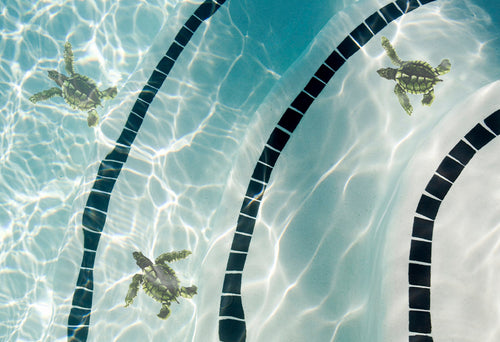
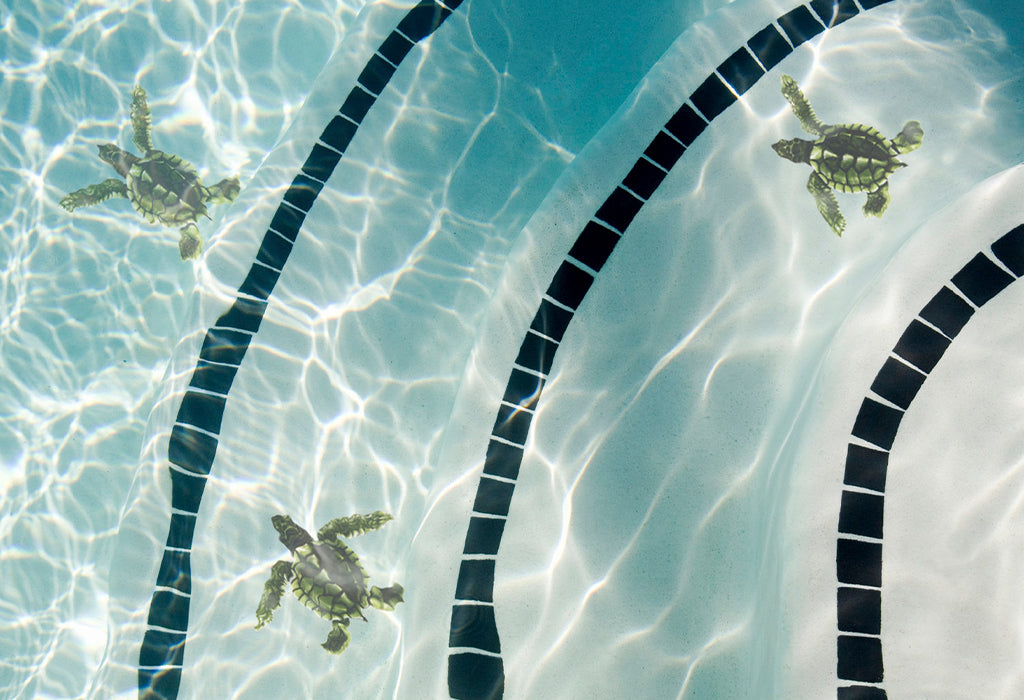
Buying Guide: Pool Accents & Step Markers
A well-designed swimming pool is about more than water, decking, and equipment. The finishing details are what transform a basic backyard pool into a personalized outdoor retreat. While large surfaces such as pool tile, coping, and surrounding materials establish the overall style, smaller decorative elements can add personality, improve visibility, and create a more polished appearance.
Pool accents and step markers are among the most effective ways to enhance a pool design. These decorative features allow homeowners to introduce unique patterns, colors, and artistic details while also serving practical purposes. From playful sea life designs to elegant geometric patterns, these additions can help create a pool environment that feels customized and inviting.
Whether building a new pool or updating an existing one, selecting the right decorative elements requires careful consideration of style, placement, materials, and functionality. This guide explores everything homeowners should know before choosing these finishing touches for their pool.
What Are Pool Accents And Step Markers?
Pool accents are decorative tile features designed to add visual interest to a swimming pool environment. They are often used as focal points on pool walls, floors, steps, benches, and other areas where a unique design element can enhance the overall appearance.
These decorative pieces are available in many styles, including marine inspired artwork, geometric designs, colorful patterns, and custom shapes. They allow homeowners to personalize their pool without replacing large sections of tile.
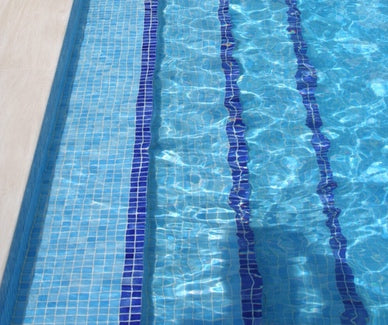
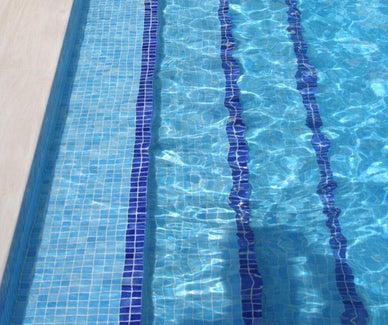
Step markers serve a similar decorative purpose while also improving visibility. Pool steps can sometimes blend into the surrounding water, especially when the surface color is similar throughout the pool. Step markers create contrast that helps swimmers identify changes in depth and locate entry and exit points more easily.
Together, these features combine beauty and practicality, making them a valuable addition to many pool designs.
Why Add Decorative Details To A Pool?
Many pools use large areas of uniform tile or plaster finishes. While these materials create a clean foundation, decorative elements introduce personality and visual variety.
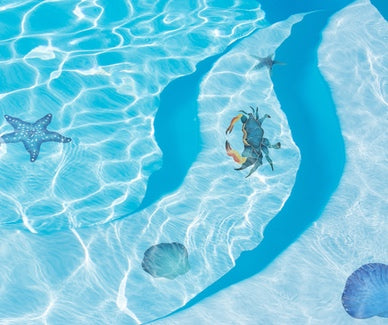
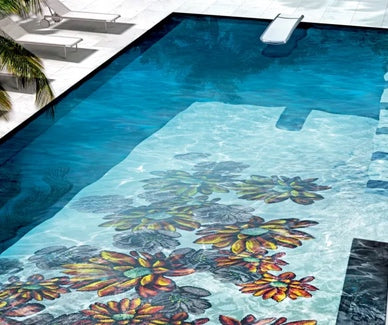
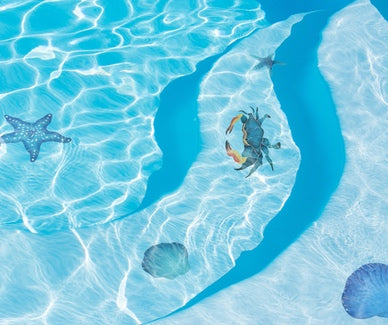
A carefully selected accent can become the focal point of the pool, creating a memorable feature that guests notice immediately. For example, a sea turtle, wave pattern, or colorful mosaic can reinforce a coastal theme, while a geometric design can complement a modern outdoor space.
These details also help connect the pool with the surrounding environment. A backyard with tropical landscaping may benefit from ocean inspired designs, while a contemporary patio may look best with simple, elegant patterns.
Small additions can have a significant impact because they create moments of visual interest throughout the space.
Choosing The Right Style For Your Pool
The best design choice depends on the overall theme of the outdoor area.
Coastal inspired pools often incorporate designs connected to the ocean, such as fish, waves, shells, and other aquatic elements. These details create a relaxed vacation atmosphere.
Modern pools typically benefit from cleaner designs, including abstract shapes, minimal patterns, and coordinated color combinations. These options enhance the architecture without overpowering the space.
Traditional pools may pair well with classic mosaics and decorative borders that create a timeless appearance.
Before selecting a design, consider the colors already present in the pool. The accent should complement the existing tile, coping, decking, and landscaping rather than compete with them.
Popular Locations For Pool Accents
Placement plays an important role in how decorative elements are experienced.
Pool Steps
Steps are one of the most common locations for decorative markers. They help define each level while adding a stylish detail that is visible from both inside and outside the pool.
Pool Floors
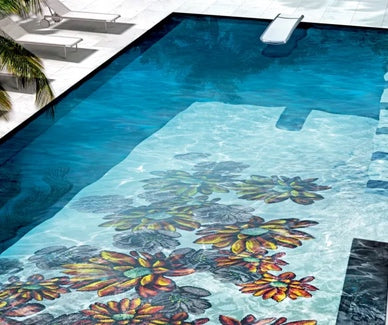
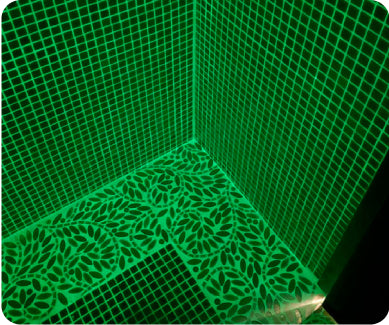
A larger decorative design on the pool floor can create a dramatic focal point. These installations often become the centerpiece of the entire pool area.
Pool Walls
Vertical surfaces provide excellent opportunities for artwork and patterns. A decorative wall feature can create the feeling of looking into an underwater scene.
Benches And Tanning Ledges
Shallow areas are ideal locations for smaller designs because they are highly visible and frequently used.
The right placement depends on the size of the pool and the visual impact you want to create.
Understanding Materials And Durability
Pool environments require materials that can withstand constant exposure to water, sunlight, chemicals, and temperature changes.
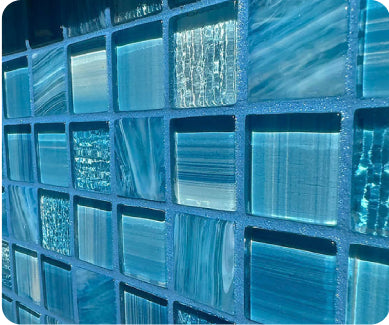
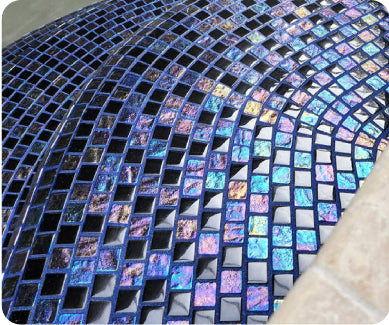
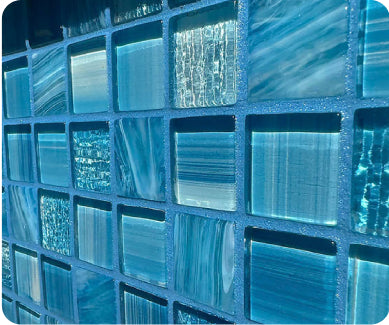
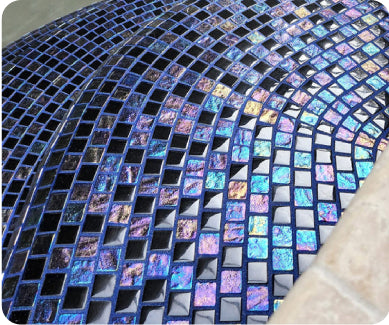
Glass tile is a popular choice because of its reflective qualities and ability to create vibrant color. Light interacts with glass surfaces differently throughout the day, creating a dynamic appearance.
Porcelain and ceramic options are also commonly used because they offer durability and a wide variety of design possibilities.
High quality pool accents are designed specifically for aquatic applications, meaning they can maintain their appearance even when exposed to challenging conditions.
When selecting decorative features, it is important to choose materials intended for pools rather than standard decorative products designed only for indoor applications.
Creating Contrast For Better Visibility
One of the most important considerations for step markers is contrast.
When pool steps blend into the surrounding surface, they can become difficult to see. A contrasting accent helps define the edges and makes the transition between depths easier to identify.
For example, lighter markers can stand out against darker pool finishes, while darker accents may provide better visibility against lighter backgrounds.
Contrast does not have to mean choosing a completely different color. Even subtle differences in tone, texture, or pattern can improve visibility while maintaining a cohesive design.
This balance between appearance and function is what makes well-designed step markers so valuable.
Matching Accents With Pool Tile And Surrounding Materials
A successful pool design feels connected from one area to the next.
When selecting decorative details, consider how they interact with existing materials.
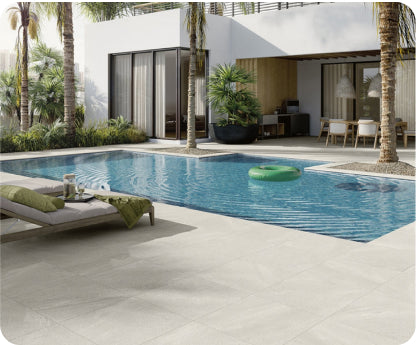
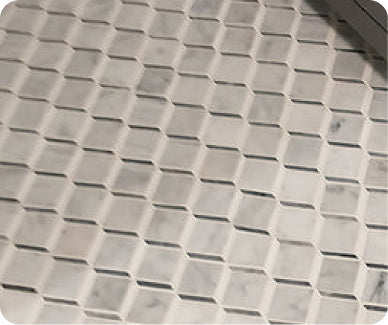
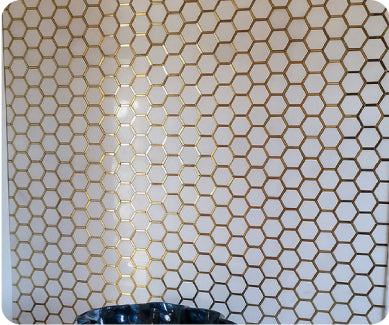
Blue tones often complement traditional water colors and create a natural aquatic feeling. Neutral accents pair well with modern pools featuring stone or concrete finishes. Bright colors can introduce personality into otherwise simple designs.
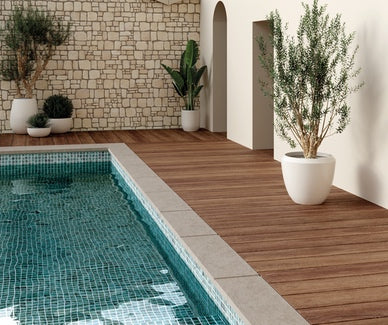
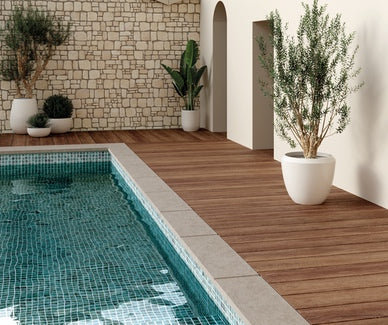
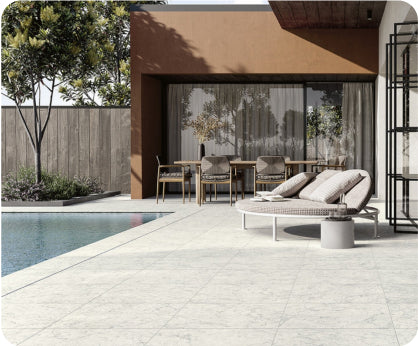
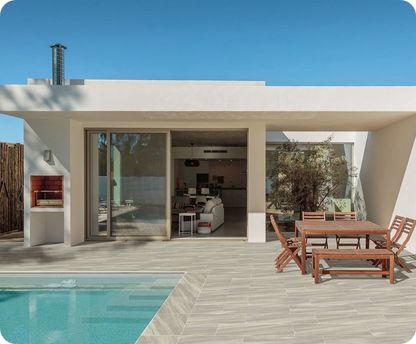
The surrounding patio and landscaping should also influence the choice. Natural stone, wood accents, outdoor furniture, and lighting all contribute to the overall atmosphere.
The goal is to create a unified environment where every element supports the same design vision.
Using Pool Accents To Create A Resort Style Atmosphere
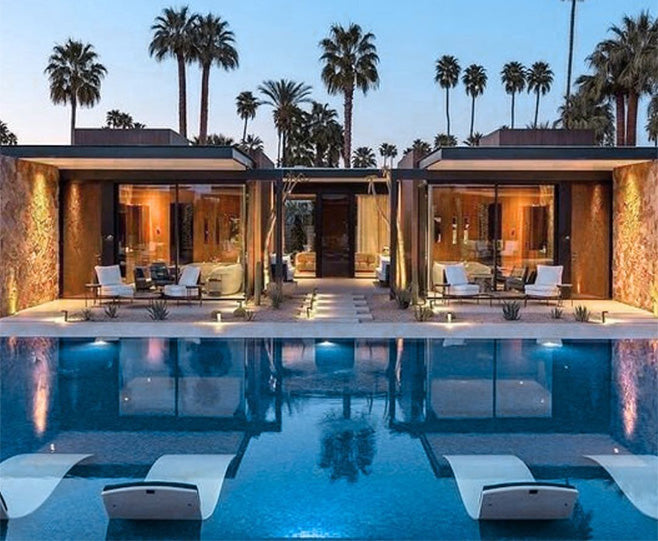
Luxury resorts often rely on small design details to create memorable experiences. Homeowners can achieve a similar feeling by incorporating thoughtful decorative elements into their own pools.
A carefully placed mosaic can make the pool feel like a destination rather than just a backyard feature.
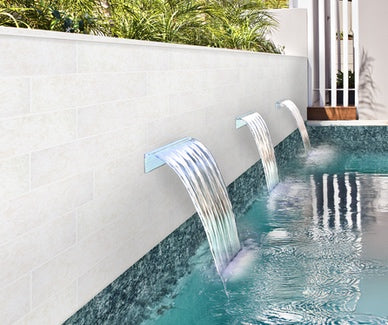
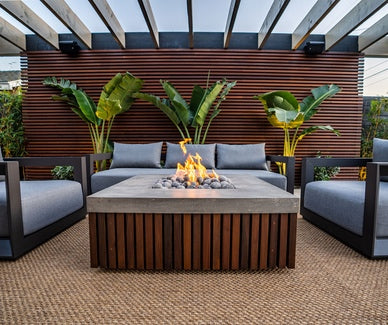
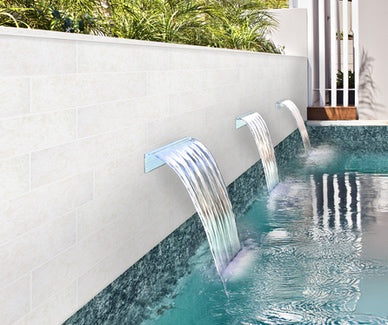
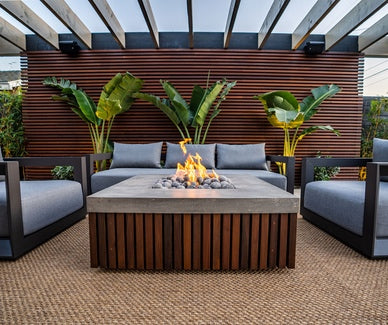
Combining accents with features such as waterfalls, lighting, fire elements, and premium outdoor furniture can create a complete outdoor retreat.
These additions allow homeowners to express personal style while increasing the visual appeal of the entire property.
Planning Your Pool Accent Installation
Before purchasing decorative elements, it is important to plan the installation carefully.
Consider the size of the area where the accent will be placed. A design that works beautifully in a large pool may feel overwhelming in a smaller space.
Think about visibility from different angles. Some features are designed to be viewed while swimming, while others are meant to create impact from the surrounding patio.
It is also important to coordinate with the installer to ensure proper placement and compatibility with the existing pool surface.
Planning ahead helps ensure the final result looks intentional and professionally designed.
How Pool Accents Add Long Term Value
While decorative elements are primarily chosen for appearance, they can also contribute to the overall appeal of a property.
A thoughtfully designed pool creates a stronger outdoor living experience, which can make the space more enjoyable for homeowners and guests.
Unique details also help distinguish the pool from standard designs. A personalized feature can become a memorable part of the backyard and reflect the homeowner’s individual taste.
Because pools are significant investments, adding finishing touches that improve both beauty and functionality can help maximize enjoyment over time.