






















































What Are 2cm Outdoor Pavers?


When designing an outdoor living space, the surface material has a major influence on both appearance and long-term performance. Patios, pool areas, walkways, terraces, and entertaining spaces all need surfaces that can handle changing weather, moisture, foot traffic, outdoor furniture, and everyday use while still looking polished.
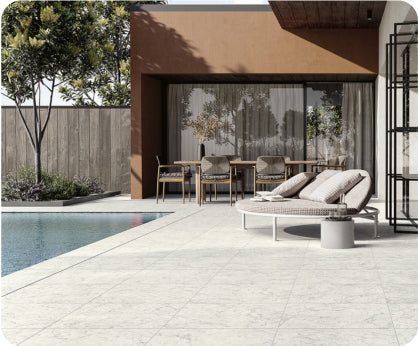
2cm pavers have become an increasingly popular choice for these applications because they combine the visual appeal of high-end tile with a thicker format designed for exterior environments. The name refers to the approximate thickness of the material, with 2cm equal to about 20 millimeters, or roughly 0.79 inches.
This added thickness gives the material a substantial feel and makes it suitable for a variety of installation methods, depending on the specific product and project requirements. Many are manufactured from porcelain, giving homeowners access to surfaces that replicate natural stone, concrete, and other architectural materials while offering the practical characteristics associated with porcelain.
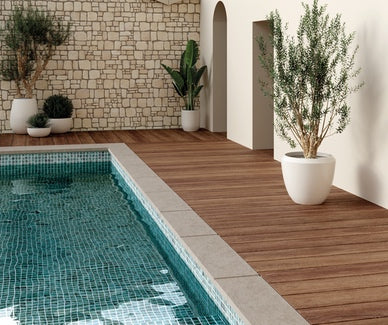
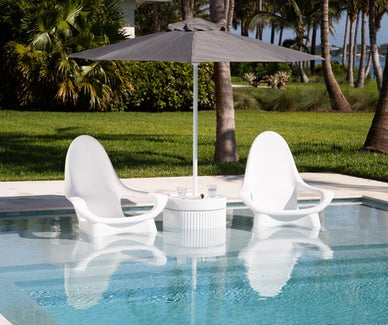
For patios surrounding swimming pools, this combination can be particularly appealing. The right surface needs to coordinate with the water, landscaping, architecture, and outdoor furniture while also standing up to moisture, sunlight, and constant foot traffic.
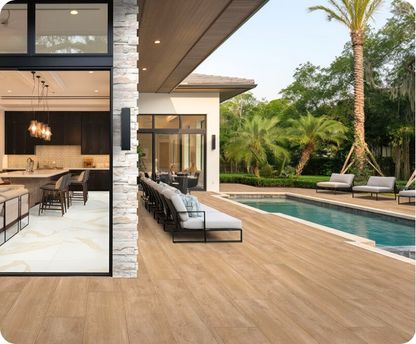
Montauk Gray, 16" x 48" - 2CM Outdoor Porcelain Paver

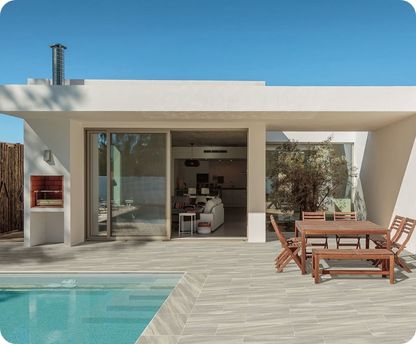
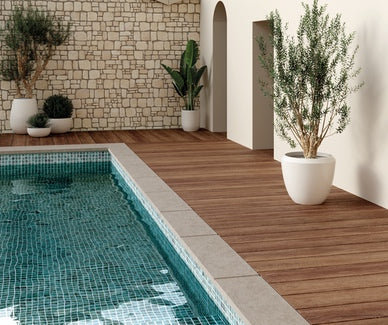
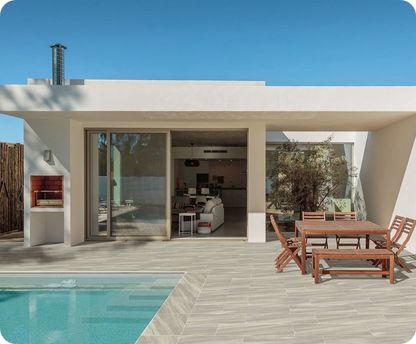
Create a sophisticated outdoor space with the Montauk Gray 2CM Outdoor Porcelain Paver. Made in the USA, this large-format paver combines the natural character of aged wood with the durability and performance of porcelain. Its versatile gray coloring and subtle tonal variation complement contemporary, modern, and transitional outdoor designs, making it an excellent choice for pool decks, patios, walkways, garden paths, and other hardscape applications.
At 16" x 48" and 20mm thick, the paver provides an expansive format that can give outdoor spaces a clean, streamlined appearance. It is frost proof, engineered for heavy foot traffic, and designed to withstand sun, rain, and changing weather conditions. Its slip-resistant performance also makes it well suited for poolside environments.
Unlike many natural materials, porcelain is highly resistant to fading and deterioration, helping maintain its appearance over time. Pair Montauk Gray with coordinated coping for a polished, cohesive finish throughout your outdoor living area.
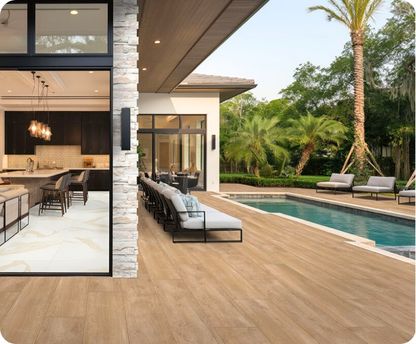
Montauk Beige, 16" x 48" - 2CM Outdoor Porcelain Paver

Bring warmth and natural character to your outdoor living space with the Montauk Beige 2CM Outdoor Porcelain Paver. Made in the USA, this large-format paver captures the rustic beauty of aged wood while delivering the durability and low-maintenance performance of porcelain. Its warm beige tones work beautifully with a wide range of architectural styles and landscaping, making it an ideal option for patios, pool decks, walkways, garden paths, and other exterior spaces.
Measuring 16" x 48" with a 20mm thickness, Montauk Beige creates a spacious, refined look with fewer visual interruptions across larger areas. The porcelain construction is frost proof and designed to withstand heavy foot traffic, sun exposure, rain, and temperature changes.
Its anti-slip performance adds practical benefits around pools and other high-traffic areas. The material is also resistant to fading and deterioration, helping preserve its appearance season after season. Use it with coordinating Montauk coping to create a seamless, professionally designed outdoor environment.
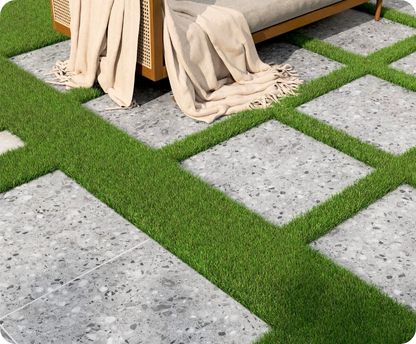
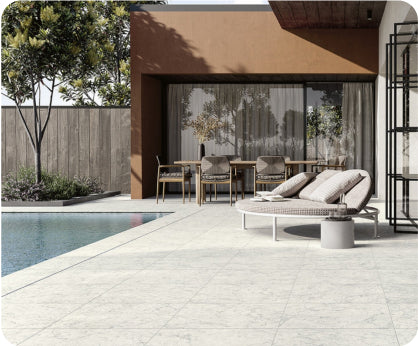
Summit Beige, 24" x 24" - 2CM Outdoor Porcelain Paver

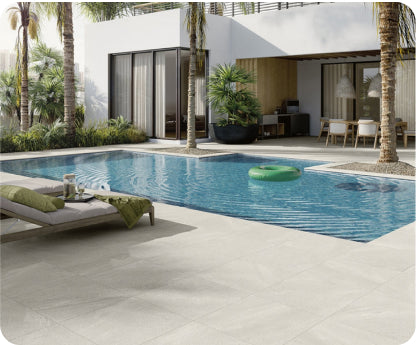
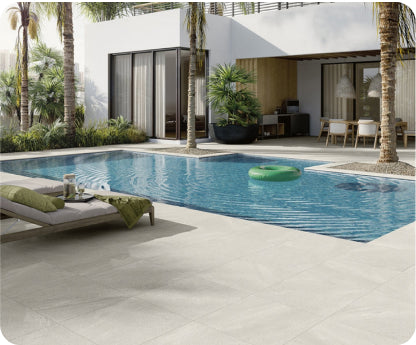
Give your outdoor space the timeless appearance of natural mountain stone with the Summit Beige 2CM Outdoor Porcelain Paver. Made in the USA, this large-format paver features warm and cool tonal variation inspired by natural stone, creating a refined yet organic look for patios, pool decks, walkways, and other outdoor living areas. The versatile beige palette pairs easily with landscaping, modern architecture, and a variety of pool finishes.
Sized at 24" x 24" and 20mm thick, Summit Beige offers a substantial format that can create a clean, contemporary surface with a natural-stone aesthetic. The porcelain construction is frost proof, fade resistant, and designed to handle heavy foot traffic and demanding weather conditions.
Its tested anti-slip performance makes it well suited for poolside and commercial applications, while its low-maintenance surface eliminates the need for sealing. For a cohesive design, Summit Beige can also be paired with coordinating Summit products to create a seamless transition between indoor and outdoor spaces.
Understanding 2cm Pavers
The term 2cm pavers describes exterior paving products that are approximately two centimeters thick. The thickness is one of their defining characteristics and distinguishes them from many thinner tile products commonly used indoors.
A thicker construction provides a more substantial surface that is designed for outdoor applications. Depending on the specific product and installation system, these pavers may be installed over different substrates or systems, including certain pedestal and dry installation methods.
This flexibility can make them useful for projects where traditional mortar-set construction is not the only option being considered.
It is important to remember that thickness alone does not determine whether a product is appropriate for a particular application. Homeowners should always verify the manufacturer's installation requirements, recommended uses, substrate specifications, and local building requirements before installation.
Why Porcelain Is Popular Outdoors
Porcelain has become a popular material for exterior surfaces because it offers a combination of durability, low water absorption, and design flexibility.
Modern porcelain manufacturing can produce surfaces that closely resemble natural stone, limestone, concrete, travertine, and other materials. This allows homeowners to achieve a sophisticated architectural appearance without necessarily using quarried stone.
Porcelain is also relatively easy to maintain. Unlike some natural materials, it generally does not require the same level of routine sealing, although maintenance requirements vary by product and application.
For busy outdoor areas, this can be an important advantage. Patios and pool decks are exposed to dirt, water, leaves, sunscreen, food, and other substances throughout the year. A surface that is straightforward to clean can help keep the area looking well maintained.
Benefits Of 2cm Pavers
There are several reasons homeowners and designers consider thicker exterior porcelain surfaces for outdoor projects.
One of the biggest benefits is durability. A properly selected and installed paver can provide a strong surface capable of handling everyday outdoor use.
Another advantage is design flexibility. These products are available in a wide variety of colors, patterns, sizes, and textures. Some replicate natural stone while others have a contemporary concrete-inspired appearance.
Maintenance is another consideration. Porcelain surfaces are generally easy to clean, making them practical for areas that receive frequent use.
The thicker construction can also open up additional installation possibilities. Depending on the product, pavers may be suitable for installations that differ from traditional bonded tile applications.
Finally, the visual continuity between indoor and outdoor surfaces can be a major design advantage. Similar materials can sometimes be used to visually connect interior living spaces with patios and terraces.
Why They Work Well Around Pools
Pool environments place unique demands on exterior surfaces.
The surrounding deck is frequently exposed to water, chlorine, sunscreen, sunlight, and wet feet. It also needs to provide a comfortable transition between the swimming area and the rest of the backyard.
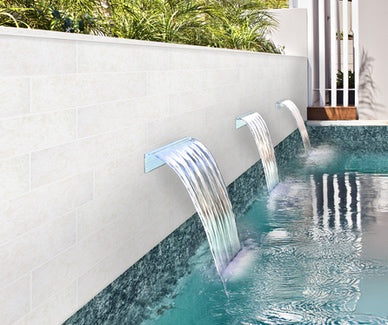
Pool deck pavers can help create a cohesive environment around the water while offering the durability needed for frequent use.
Porcelain is particularly useful because of its low water absorption. However, not every porcelain surface is automatically appropriate for a pool deck. The product's slip resistance, texture, installation method, and manufacturer's application recommendations should always be reviewed.
A properly selected surface can provide a refined appearance while helping the pool area remain functional and easy to maintain.
Designing A Patio Around The Pool
A pool deck is often only one part of a much larger outdoor living space.
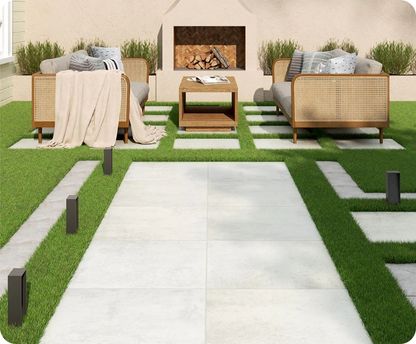
Many modern backyards include dining areas, outdoor kitchens, fire features, lounge furniture, landscaping, and covered entertaining areas. The paving material helps visually connect these different zones.
Using the same or complementary pavers throughout the space can make a large backyard feel more cohesive.
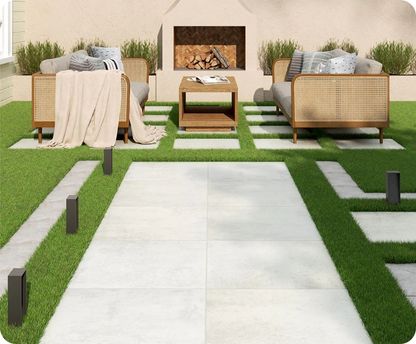
For example, a neutral stone-inspired surface can provide a consistent foundation around the pool and patio while allowing furniture and landscaping to introduce additional color.
Larger formats can create a clean, contemporary appearance with fewer visual interruptions, while smaller layouts can provide more traditional character.
The best choice depends on the architecture of the home and the atmosphere the homeowner wants to create.
Natural Stone Looks Without Natural Stone Maintenance
One of the most appealing characteristics of modern porcelain is its ability to reproduce the appearance of natural materials.
A homeowner might want the warm, organic appearance of limestone but prefer a surface with simpler maintenance requirements. Another may like the look of travertine but want more consistent color and pattern.
Porcelain can provide alternatives that capture many of these visual qualities.
Manufacturing technology allows designers to reproduce subtle textures, tonal variation, veining, and other characteristics associated with natural stone.
This gives homeowners greater control over the final appearance while maintaining the practical advantages of an engineered surface.
Choosing The Right Finish
Finish selection is especially important around pools.
A surface should provide the appropriate combination of appearance, texture, comfort, and slip resistance for its intended application.
A very smooth finish may create a beautiful appearance but may not be appropriate for every outdoor environment. Textured surfaces can provide additional traction, but the amount of texture should also be considered in relation to comfort under bare feet.
For pool areas, homeowners should pay close attention to the manufacturer's published technical specifications.
It is also worth considering how the surface feels when wet, since pool decks naturally experience frequent water exposure.
Color Choices For Pool Decks
The color of an outdoor surface can dramatically influence the atmosphere of a backyard.
Light beige, cream, and ivory tones can create a bright resort-inspired environment. They work particularly well with blue water, natural landscaping, and light-colored architecture.
Gray surfaces offer a contemporary appearance and pair well with modern homes, dark-framed windows, and minimalist landscaping.
Taupe and warm gray can provide a balance between contemporary and traditional design.
Darker surfaces can create dramatic contrast, although homeowners should consider how much direct sunlight the area receives and how the surface may feel underfoot in hot weather.
Large Formats And Modern Design
Large-format exterior surfaces have become increasingly popular in contemporary architecture.
Larger pavers can reduce the number of visible joints and create a cleaner visual field. This can make expansive patios and pool decks feel more open and architectural.
Large formats also work particularly well with modern homes that feature strong horizontal and vertical lines.
However, larger pieces require careful planning and appropriate installation techniques. The substrate must be properly prepared, and installers should follow the manufacturer's recommendations regarding handling, spacing, support, and drainage.
Installation Options
One of the interesting aspects of thicker exterior pavers is that they can support different installation approaches depending on the product.
Some may be installed using traditional bonded methods over an appropriate prepared substrate. Others can be suitable for pedestal systems or certain dry installation applications.
Pedestal installation can be particularly useful for elevated terraces and rooftop environments because it can create space beneath the surface for drainage and utilities.
Dry installation may also provide accessibility to the area beneath the pavers for maintenance or future modifications.
Not every 2cm product is suitable for every installation method, so this distinction is extremely important. Always consult the manufacturer's technical documentation and a qualified installer before selecting an installation system.
Drainage And Outdoor Water Management
Water management is an essential part of any successful exterior project.
A beautiful paving material cannot compensate for poor drainage. Patios and pool decks should be designed so that water moves away from structures and does not collect in unwanted areas.
The underlying substrate and installation system should work together to manage water appropriately.
This is particularly important around swimming pools, where water is constantly introduced to the surrounding surface.
Professional planning can help prevent standing water, erosion, staining, and other problems that may occur when drainage is overlooked.
Maintenance And Everyday Cleaning
One of the major attractions of porcelain surfaces is their relatively straightforward maintenance.
Regular sweeping can remove leaves, dirt, sand, and other debris. Periodic washing can address accumulated grime and residue.
Around pools, it is also important to address sunscreen, organic debris, and other substances that may accumulate on the surface.
Cleaning products should be selected according to the manufacturer's recommendations. Harsh chemicals or inappropriate cleaning equipment may damage certain finishes even when the underlying material is highly durable.
A simple maintenance routine can help preserve the appearance of the installation for many years.
Comparing Pavers With Traditional Patio Materials
Homeowners have numerous options when planning an outdoor surface.
Natural stone offers authentic variation and an organic appearance, but some varieties require periodic sealing and maintenance.
Concrete can be extremely versatile and is available in many colors and textures. However, it can develop cracks or stains depending on conditions and installation.
Traditional outdoor tile can provide beautiful finishes but may not offer the same thickness or installation flexibility as a dedicated exterior paver.
Porcelain pavers offer another alternative, combining engineered consistency, extensive design options, and durability.
There is no universally correct material. The best selection depends on the project's climate, budget, installation requirements, aesthetic goals, and expected use.
Creating A Seamless Indoor Outdoor Transition
Modern homes increasingly blur the line between indoor and outdoor living.
Large glass doors can open living rooms directly onto patios, making the exterior feel like an extension of the interior.
Using coordinated materials can strengthen this connection.
For example, an indoor porcelain floor can be paired with a visually similar exterior surface. While the products may have different technical specifications for their respective environments, a coordinated appearance can create continuity.
This approach works particularly well for homes with outdoor kitchens, covered patios, and large entertaining areas.
Pairing Pavers With Outdoor Furniture
Furniture should be considered alongside the paving material.
A warm stone-inspired surface can provide an excellent backdrop for teak, woven furniture, or neutral upholstery.
Modern gray surfaces can complement aluminum furniture, contemporary loungers, and dark architectural elements.
The goal is not necessarily to match every material. Contrast can make an outdoor space more interesting.
For example, a minimalist gray surface paired with warm wood furniture can create a balanced combination of cool and warm tones.
Adding Interest With Borders And Patterns
Although large-format layouts are popular, there are many ways to introduce additional design detail.
Contrasting borders can define the perimeter of a pool or patio. Different sizes can establish zones for dining and lounging.
A change in orientation can visually distinguish one area from another without requiring a completely different material.
These details should be used thoughtfully. Too many patterns can make an outdoor area feel busy, while a restrained layout can allow the architecture and landscaping to remain the focus.
Considering Climate And Location
The ideal outdoor material depends partly on where the property is located.
Climate affects exposure to heat, freezing temperatures, moisture, humidity, and other environmental conditions.
In regions with freeze-thaw cycles, homeowners should pay particular attention to frost resistance and appropriate installation.
In hot climates, surface color and thermal characteristics may be important considerations.
Coastal environments may require additional attention to salt exposure and material compatibility.
Because conditions vary so significantly, technical specifications should always be reviewed before making a final selection.
Working With A Professional Installer
Even a high-quality product can perform poorly if it is installed incorrectly.
A qualified installer can evaluate the substrate, drainage, layout, expansion requirements, and installation method.
They can also help determine whether a particular product is appropriate for a pool deck, patio, walkway, rooftop, or other application.
Professional installation can be especially valuable when working with large formats or specialized systems.
Before beginning the project, discuss the intended use, expected traffic, drainage conditions, and manufacturer's requirements with the installer.
What To Look For When Shopping
When comparing exterior pavers, look beyond appearance.
Start by confirming the product's thickness and intended applications. Review technical information regarding water absorption, slip resistance, frost resistance, load capabilities, and installation methods where applicable.
Consider the size and format that best suits the project.
Then evaluate color, texture, finish, and compatibility with the home's architecture.
Samples are also extremely valuable. Outdoor surfaces can look different under direct sunlight than they do under showroom lighting or on a computer screen.
Viewing a sample alongside pool water, landscaping, cabinetry, stone, or furniture can make the final decision much easier.
Final Thoughts
2cm pavers offer an appealing combination of durability, design flexibility, and practical performance for outdoor living spaces. Their substantial thickness and availability in porcelain make them particularly interesting for patios, terraces, walkways, and pool environments where surfaces must withstand demanding conditions.
For homeowners creating a pool deck, the advantages can extend beyond durability. The right exterior surface can connect the pool with the patio, outdoor kitchen, landscaping, and architecture to create one cohesive environment.
Porcelain pavers can also provide the appearance of natural stone and other premium materials while offering a relatively simple maintenance routine. Their wide range of colors, patterns, formats, and finishes gives designers considerable freedom to create everything from a relaxed resort-inspired patio to a sleek contemporary pool deck.
The most important consideration is choosing a product that is appropriate for the specific application. Thickness is only one part of the equation. Installation requirements, slip resistance, drainage, climate, substrate, and manufacturer specifications all need to be considered.
When those factors are properly addressed, 2cm pavers can provide a beautiful and durable foundation for outdoor living, helping homeowners create patios and pool areas that are designed to be enjoyed for years to come.
Frequently Asked Questions
What Does 2cm Mean In Outdoor Pavers?
The term refers to the approximate thickness of the product. Two centimeters equals about 20 millimeters or approximately 0.79 inches.
Are 2cm Pavers Made From Porcelain?
Many 2cm exterior pavers are manufactured from porcelain, although the term describes thickness rather than a specific material. Always check the product specifications to determine the material.
Are They Good For Pool Decks?
They can be an excellent choice for pool environments when the specific product is rated for the application and has appropriate slip resistance, water absorption characteristics, and installation requirements.
Can They Be Used For Patios?
Yes. They are commonly considered for patios, terraces, walkways, outdoor kitchens, and other exterior living areas, depending on the product and installation system.
Are Porcelain Pavers Difficult To Maintain?
Porcelain is generally relatively easy to maintain. Routine sweeping and appropriate cleaning can help keep the surface looking its best.
Can 2cm Pavers Be Installed Over Existing Surfaces?
Some installation systems may allow this under specific conditions, but it depends entirely on the existing substrate, product, installation method, drainage, and manufacturer requirements. A qualified installer should evaluate the site before proceeding.
Are They Better Than Natural Stone?
Neither material is universally better. Porcelain can offer consistency and relatively low maintenance, while natural stone provides authentic geological variation and a distinctive organic appearance. The right choice depends on the project.
