






















































The Art Of Movement: How Mosaics Create Flow Inside A Pool


Water is naturally dynamic, but the way a pool is designed can either enhance or flatten that sense of movement. One of the most effective ways to create visual flow is through mosaics. When thoughtfully designed and placed, pool mosaics can guide the eye, shape perception, and make water appear as if it is constantly in motion.
This effect is not accidental. It is the result of careful design choices involving pattern, color, spacing, and scale. In this guide, we will explore how mosaics influence movement and how pool mosaics can transform a static surface into a living, flowing experience.
How Mosaics Influence Visual Movement
Mosaics are made up of small pieces that come together to form a larger image or pattern. This structure naturally creates rhythm and repetition, which the human eye interprets as movement.
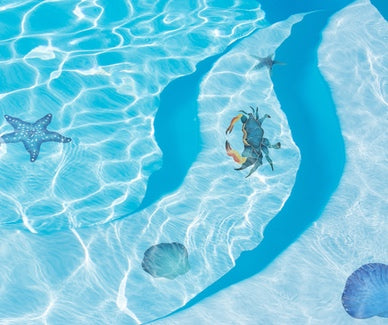
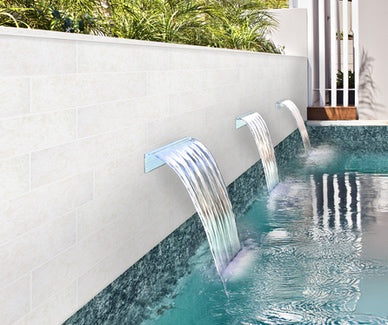
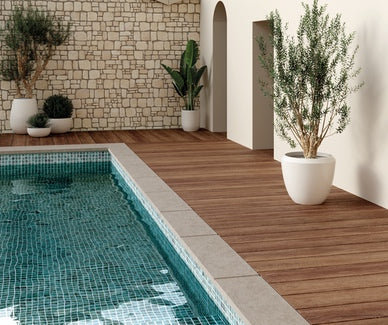
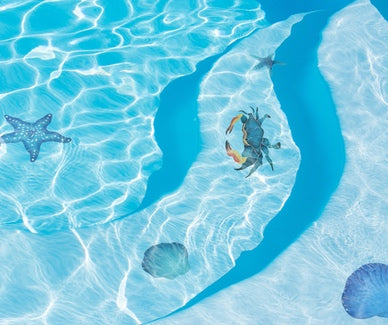
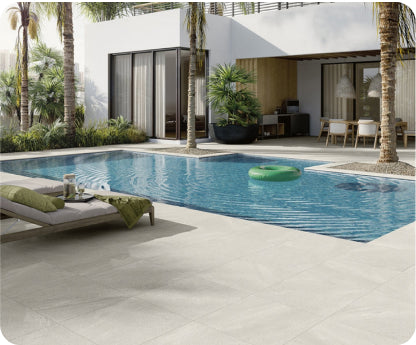
When used in pools, mosaics interact with water and light in a unique way. The shifting reflections and refractions amplify the sense of motion. Pool mosaics can make water appear to ripple more intensely or flow in a specific direction depending on the design.
The key to achieving this effect is understanding how mosaics guide visual flow across a surface.
Directional Patterns That Create Flow
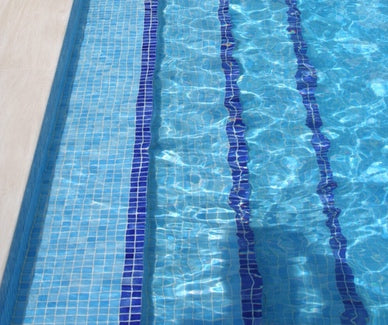
One of the most powerful ways pool mosaics create movement is through directional patterns. Lines, waves, and gradients can all influence how the eye travels across the pool surface.
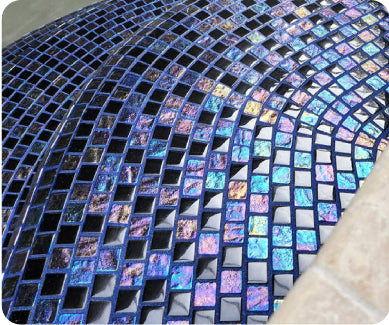
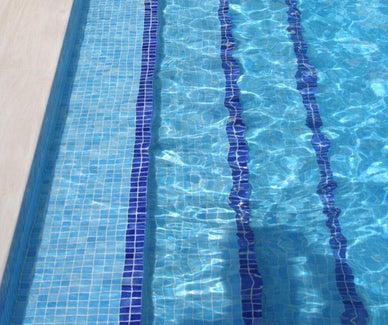
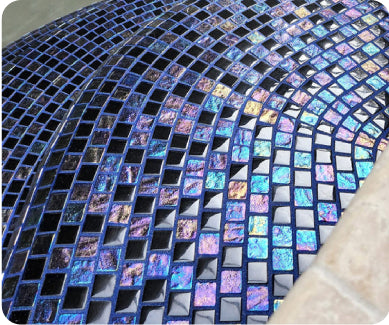
Horizontal mosaics can make water feel calm and expansive. Diagonal patterns introduce energy and motion. Curved mosaics mimic natural water currents, enhancing the illusion of flow.
These directional choices in mosaics allow designers to control how movement is perceived within the pool. Even still water can feel dynamic when the pool mosaics are designed with intention.
Color Gradients And Depth Illusion
Color plays a major role in how mosaics affect movement. Gradients that transition from light to dark can create the illusion of depth and shifting water levels.
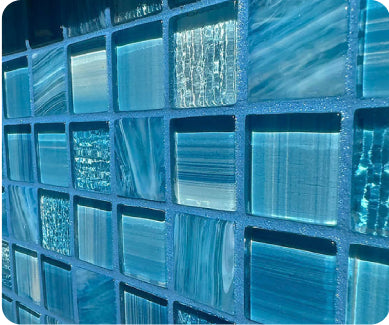
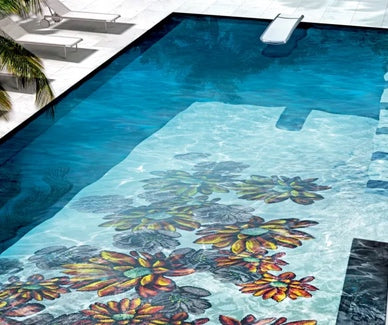
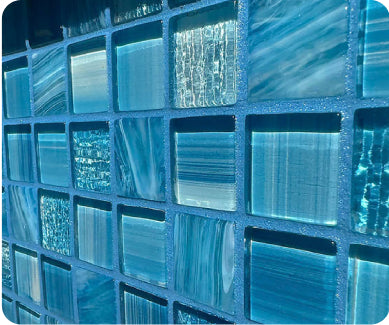
Pool mosaics that use multiple shades of blue, green, or aqua often appear more dynamic than single-tone designs. The variation in color helps simulate the way light naturally interacts with water.
Mosaics that gradually shift in tone can also guide the eye across the pool, reinforcing the sense of flow and direction.
Small Format Mosaics For Natural Motion
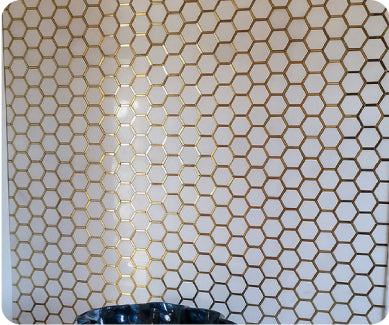
Smaller mosaic tiles are especially effective at creating movement. Because there are more individual pieces, the surface appears more detailed and fluid.
Pool mosaics made from small tiles tend to shimmer as light changes throughout the day. This constant variation enhances the impression of movement, even when the water is still.
The repetition of small mosaics also mimics natural patterns found in water, such as ripples and waves.
Abstract Designs That Suggest Water Flow
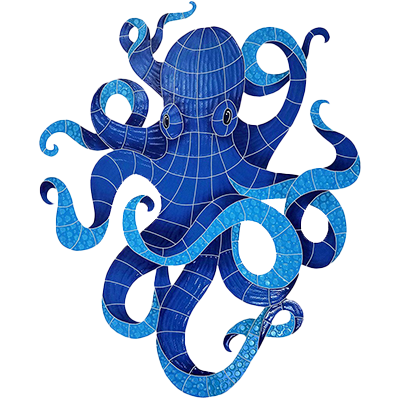
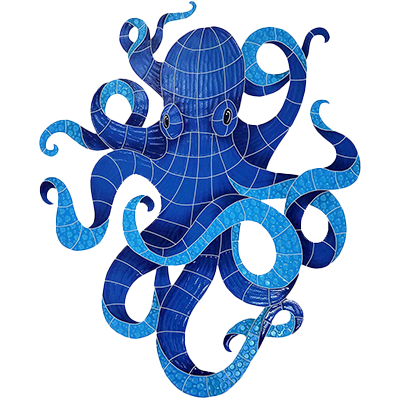
Not all mosaics need to depict literal waves or aquatic scenes. Abstract pool mosaics can be just as effective in creating flow.
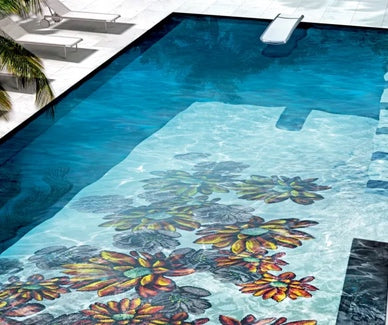
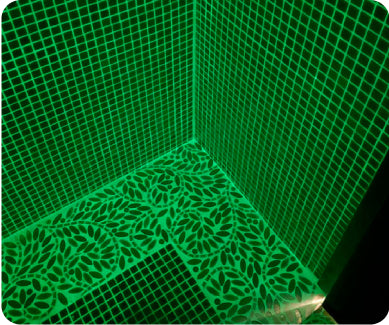
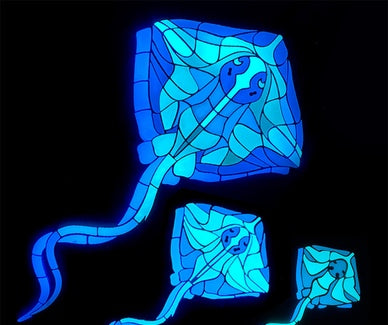
Swirling patterns, organic shapes, and fragmented designs allow the imagination to interpret movement freely. These mosaics do not dictate direction but instead suggest fluidity.
This type of design works well in modern pools where artistic expression is part of the overall aesthetic.
Using Focal Points To Guide The Eye
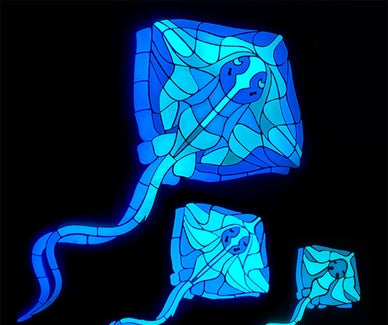
Focal points are another important tool in mosaic design. A central image or pattern within pool mosaics can anchor the design and influence how movement is perceived.
For example, a mosaic placed at the center of a pool can create a visual ripple effect that expands outward. This gives the impression of energy spreading through the water.
Strategic placement of mosaics ensures that the eye is always moving, reinforcing the sense of flow.
Light Interaction And Changing Perspectives
Light is one of the most important factors in how mosaics create movement. As sunlight hits the water, it reflects off pool mosaics in shifting patterns.
This interaction causes the surface to appear alive with motion. Even at different times of day, the same mosaics can look completely different depending on lighting conditions.
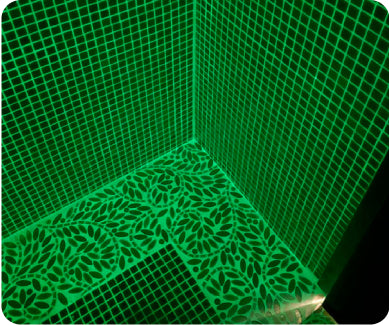
Artificial lighting at night further enhances this effect, making mosaics glow and shimmer beneath the surface.
Combining Multiple Mosaic Styles
Some of the most visually dynamic pools use a combination of mosaics. By blending patterns, colors, and scales, designers can create layered movement.
For example, larger mosaics may establish structure, while smaller pool mosaics add texture and detail. This combination creates depth and complexity.
The result is a pool surface that feels constantly in motion, even when completely still.
Emotional Impact Of Movement In Water Design
The illusion of movement created by mosaics does more than enhance appearance. It also affects mood and emotional experience.
Flowing pool mosaics can create a calming effect, similar to watching natural water currents. They can also energize a space by adding visual rhythm and activity.
This emotional response is part of what makes mosaics such a powerful design tool in pools.
Why Pool Mosaics Remain A Timeless Design Choice
Pool mosaics have been used for centuries in water design, and their popularity continues because of their ability to transform space.
They offer a unique combination of artistry and function. By influencing how movement is perceived, mosaics turn simple water surfaces into immersive environments.
Whether subtle or bold, pool mosaics always add depth and personality to a pool.
FAQ
What Do Mosaics Do In A Pool Design?
Mosaics create visual patterns that influence how movement and flow are perceived in water.
How Do Pool Mosaics Make Water Look Like It Is Moving?
Pool mosaics interact with light and reflection, creating shifting visual effects that mimic motion.
What Type Of Mosaics Create The Most Movement?
Directional patterns, gradients, and small-format mosaics tend to create the strongest sense of movement.
Can Pool Mosaics Be Abstract?
Yes, abstract mosaics are often used to suggest fluidity and natural flow without depicting literal images.
Do Colors Affect Movement In Mosaics?
Yes, color transitions in mosaics can enhance depth and guide the eye, increasing the sense of movement.
