


























































How to Choose the Perfect Bathroom Tile for Style and Safety


Choosing the right bathroom tile is one of the most important decisions you can make when designing or renovating your space. The right bathroom tile not only defines the overall style of the room but also plays a major role in safety, durability, and long-term maintenance.
Since bathrooms are constantly exposed to moisture, steam, and water splashes, selecting bathroom tile that balances aesthetics with slip resistance is essential. In this guide, we will break down how to choose bathroom tile that looks beautiful while keeping your home safe and functional.
Understanding Style and Function in Bathroom Tile
When selecting bathroom tile, the first step is understanding how style and function work together. Many homeowners focus only on color or pattern, but bathroom tile must also handle wet conditions. Glossy finishes may look elegant, but they can become slippery when wet. Matte or textured bathroom tile is often preferred because it provides better grip underfoot.
Another key factor is material. Porcelain bathroom tile is widely considered one of the safest and most durable options because it resists water absorption and can be manufactured with slip resistant finishes. Ceramic bathroom tile is also popular, especially for walls or moderate-traffic areas. Natural stone bathroom tile can add luxury, but it often requires sealing and careful selection to ensure safety.
Product Highlight: White Arabesque Porcelain Tile

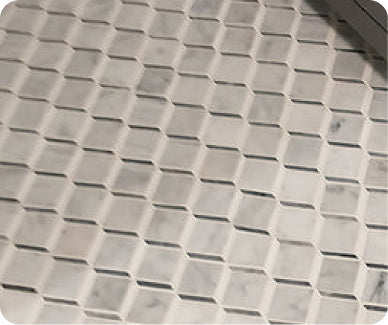
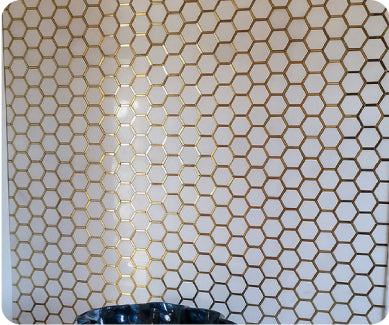
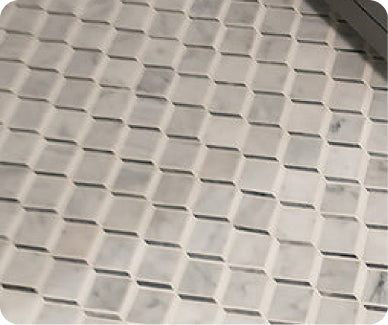
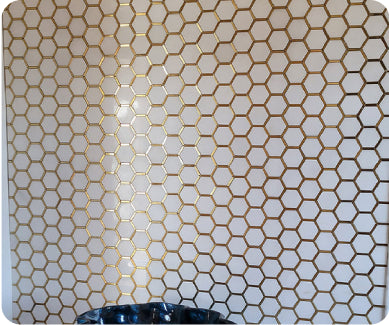
The White Arabesque Porcelain Tile offers a beautiful blend of elegance and practicality, making it an excellent choice for bathroom tile applications where both style and safety matter.
This bathroom tile features a classic arabesque pattern that brings a soft, decorative feel to any space. The white tone helps brighten bathrooms, making them feel more open and clean. Because it is made from porcelain, this bathroom tile is highly durable and resistant to moisture, which is essential for wet environments.
One of the biggest advantages of this bathroom tile is its versatility. It can be used on both floors and walls, allowing you to create a cohesive design throughout your bathroom. When used on floors, the pattern can also help provide slight visual texture, which can contribute to a safer walking surface when paired with proper installation materials.
From a design perspective, this bathroom tile works well in both modern and traditional bathrooms. It pairs beautifully with neutral tones, marble accents, or minimalist fixtures. Whether you are designing a spa inspired retreat or a clean contemporary bathroom, this bathroom tile provides a timeless foundation.
Overall, the White Arabesque Porcelain Tile is a strong example of how bathroom tile can combine elegance with practicality. It offers durability, moisture resistance, and a refined aesthetic that elevates any bathroom space.
Why Safety Matters When Choosing Bathroom Tile
Safety should always be a top priority when selecting bathroom tile. Wet floors significantly increase the risk of slips and falls, especially in showers and around bathtubs. That is why slip resistance ratings such as DCOF or R-ratings are important indicators when choosing bathroom tile.
For floors, it is generally recommended to choose bathroom tile with a textured surface or higher slip resistance rating. Smaller bathroom tile formats can also improve safety because grout lines add extra traction. Even the layout of bathroom tile can influence safety, making proper installation just as important as material selection.
How to Balance Aesthetic Appeal with Practical Use
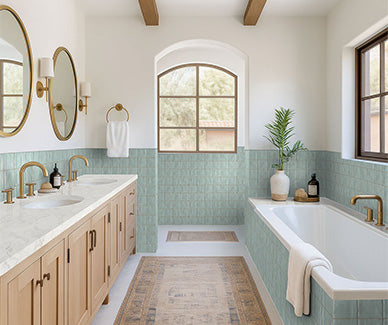
Modern bathroom tile designs offer a wide range of styles that do not compromise safety. You can find bathroom tile that mimics natural stone, wood, or marble while still providing strong slip resistance. This allows homeowners to achieve a high end look without sacrificing practicality.
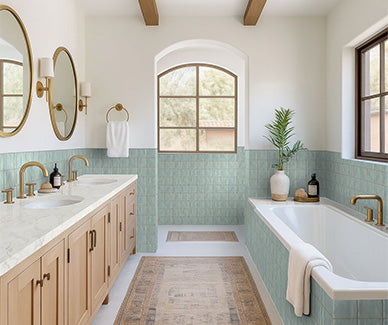
Color choice also plays a role in bathroom tile design. Light colored bathroom tile can make small bathrooms feel larger and brighter, while darker tones create a more dramatic, spa like atmosphere. Patterned bathroom tile can add visual interest, especially in shower areas or accent walls.
Choosing the Right Bathroom Tile for Floors vs Walls
Not all bathroom tile should be used in the same way. Floor bathroom tile must prioritize safety and slip resistance, while wall bathroom tile can focus more on appearance. For example, glossy bathroom tile works well on walls because it reflects light and is easy to clean. On floors, matte bathroom tile is typically safer and more practical.
Using different bathroom tile types in the same room can also create visual contrast. Many designers combine textured floor bathroom tile with smooth wall bathroom tile to achieve a balanced look that feels both stylish and functional.
Maintenance Tips for Bathroom Tile
Proper care is essential to keep bathroom tile looking its best. Regular cleaning prevents soap scum, mildew, and hard water stains from building up. Using gentle, non abrasive cleaners helps preserve the surface of bathroom tile, especially textured or patterned designs.
Sealing may also be necessary for certain types of bathroom tile, particularly natural stone. Porcelain and ceramic bathroom tile typically require less maintenance, making them ideal for busy households.
FAQ
What is the safest bathroom tile for floors
The safest bathroom tile for floors is typically matte or textured porcelain tile with a strong slip resistance rating.
Is glossy bathroom tile safe for bathrooms
Glossy bathroom tile is better suited for walls because it can become slippery when used on wet floors.
How do I choose bathroom tile for a small bathroom
Light colored bathroom tile with a simple pattern can make small bathrooms feel larger and more open.
What size bathroom tile is best for safety
Smaller bathroom tile often provides better traction due to more grout lines, which can improve grip on wet surfaces.
