


























































Curves That Cook: How Arabesque Tile Brings Elegance to Modern Kitchens


Modern kitchens are often defined by clean lines and structured layouts, but there is a growing desire to introduce softness and artistic detail. This is where arabesque tile shines. With its flowing curves and distinctive shape, arabesque tile adds a sense of movement and elegance that transforms ordinary kitchen tiles into something truly memorable.
If you are looking to elevate your kitchen design, arabesque tile offers a perfect balance of beauty and function. Below is an in-depth look at why this style continues to stand out and how it enhances modern kitchens.
The Unique Appeal Of Arabesque Tile
Arabesque tile is known for its curved silhouette that resembles a flowing pattern rather than rigid geometry. Unlike traditional square or rectangular kitchen tiles, arabesque tile introduces softness and visual rhythm.
This shape has deep roots in classic design, yet it feels surprisingly fresh in modern kitchens. The curves create a sense of artistry that draws attention without overwhelming the space. When used as part of kitchen tiles, it becomes both a decorative feature and a functional surface.
The beauty of arabesque tile lies in its ability to feel both timeless and contemporary at the same time.
Featured Tile Collection
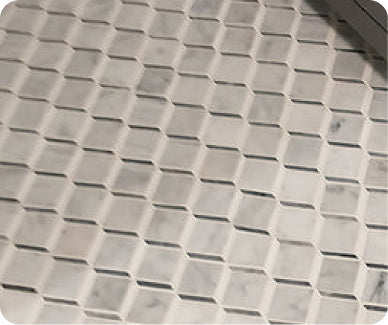
Carrara White Danza Arabesque Stone Tile

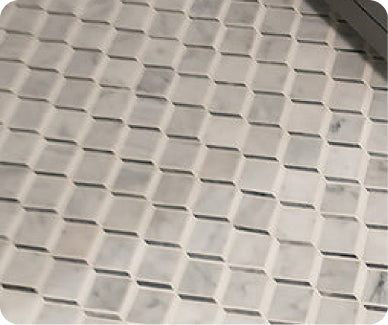
The Carrara White Danza Arabesque Stone Tile is a stunning example of how arabesque tile can bring refined elegance to modern kitchens. Its flowing shape creates a graceful pattern that instantly elevates kitchen tiles from simple surfaces to artistic features.
Crafted from natural stone, this arabesque tile features soft white tones with subtle veining that add depth and character. The marble-inspired look enhances the overall design, making it ideal for kitchens that aim for a clean yet luxurious aesthetic.
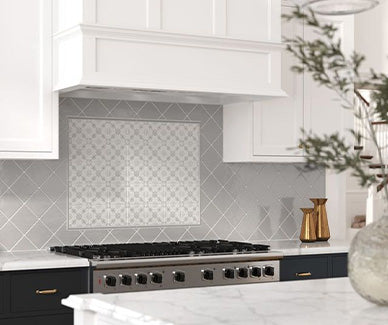
This tile works especially well as a backsplash, where its curved design can be fully appreciated. The pattern creates a sense of movement that contrasts beautifully with straight cabinetry and countertops. At the same time, the neutral color palette ensures it remains versatile and easy to pair with other materials.
Another advantage of this arabesque tile is its ability to reflect light softly, adding brightness without harsh glare. This makes it a great choice for both large and small kitchens.
Overall, this collection captures the essence of what makes arabesque tile so special. It combines classic beauty with modern appeal, making it a standout option for kitchen tiles that are both elegant and enduring.
Creating A Sculptural Backsplash
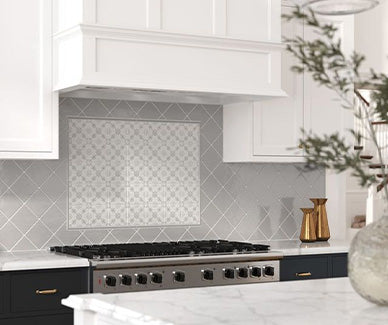
One of the most popular ways to use arabesque tile is as a backsplash. In this application, it becomes a sculptural element that adds depth and character to the kitchen.
The repeating curves of arabesque tile create a pattern that feels almost three-dimensional. This effect gives kitchen tiles a sense of movement, especially when light hits the surface at different angles.
In modern kitchens where cabinetry and countertops are often minimal, a backsplash made of arabesque tile can serve as the focal point. It adds visual interest without requiring bold colors or complex materials.
Balancing Soft Curves With Clean Lines
Modern kitchens often feature straight edges and sleek finishes. Arabesque tile provides a contrast that softens these elements and creates balance.
The curved design of arabesque tile pairs beautifully with flat cabinet panels, stone countertops, and metal fixtures. This contrast is one of the key reasons it works so well in contemporary spaces.
Using arabesque tile in kitchen tiles allows you to introduce elegance without disrupting the clean and organized look of a modern kitchen.
Enhancing Light And Texture
Arabesque tile interacts with light in a unique way. The curved edges and repeating pattern create subtle highlights and shadows that add dimension.
When used in lighter tones, arabesque tile can help brighten the space while still maintaining visual depth. In darker tones, it creates a more dramatic and sophisticated effect.
This ability to play with light makes arabesque tile an excellent choice for kitchen tiles where both style and atmosphere matter.
Versatility Across Design Styles
While arabesque tile is often associated with classic or traditional interiors, it adapts easily to modern kitchens. Its shape adds elegance, but its overall look depends on the color and material you choose.
In neutral tones, arabesque tile blends seamlessly into minimalist kitchens. In marble or stone finishes, it adds a luxurious touch. In bolder colors, it becomes a statement feature.
This versatility makes arabesque tile one of the most adaptable options for kitchen tiles.
How To Incorporate Arabesque Tile In Your Kitchen
There are several ways to use arabesque tile effectively in modern kitchens. The most common approach is as a backsplash, where it can serve as a focal point.
You can also use arabesque tile to highlight specific areas, such as behind a range or around a sink. This creates a layered design that adds interest without overwhelming the space.
For a more subtle look, consider using arabesque tile in a neutral tone that blends with the surrounding kitchen tiles. For a bolder statement, choose a contrasting color that draws attention to the pattern.
Why Arabesque Tile Remains Timeless
Arabesque tile has remained popular because it combines elegance with versatility. Its flowing shape feels artistic, yet it adapts to a wide range of design styles.
Unlike trend-driven kitchen tiles, arabesque tile offers lasting appeal. It brings character and sophistication to a space without feeling overly decorative or outdated.
This timeless quality makes it a smart choice for homeowners who want a design that will look beautiful for years to come.
FAQ
What Makes Arabesque Tile Unique?
Arabesque tile stands out because of its curved, flowing shape that adds movement and elegance to kitchen tiles.
Is Arabesque Tile Good For Modern Kitchens?
Yes, arabesque tile works well in modern kitchens by adding softness and contrast to clean, straight lines.
Where Should Arabesque Tile Be Used?
It is most commonly used as a backsplash, but it can also be used as an accent in other areas of the kitchen.
Does Arabesque Tile Work With Neutral Colors?
Yes, neutral tones enhance the timeless appeal of arabesque tile and make it easy to pair with other kitchen tiles.
Is Arabesque Tile Trendy Or Timeless?
Arabesque tile is considered timeless because its design has remained popular across different styles and eras.
