
























































Porcelain Tile: The AquaBlu Buyer's Guide

Porcelain shows up everywhere from museum pottery to your pool waterline, and for good reason. It's one of the toughest, most versatile materials you can build a resort-style outdoor living space with. Here's what you actually need to know before you buy.
What Porcelain Is Made Of
Porcelain starts as refined clay, typically kaolin, blended with feldspar and silica. That mixture gets fired in kilns at extreme heat, well over 2,000°F, until the particles fuse into a dense, glass-tight surface.
That firing process is the whole story. It's why porcelain barely absorbs water, which is exactly what you want anywhere moisture lives: pool decks, waterlines, kitchens, showers. It's also why porcelain resists cracking, staining, and fading better than standard ceramic, which is fired at lower temperatures and stays more porous.
How It Becomes the Tile You Install
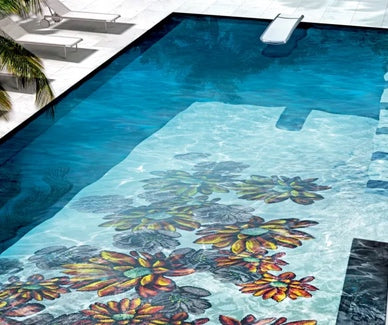
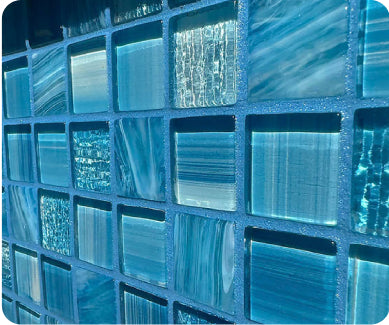
Once the clay is prepped, it's molded into tile form and fired at those same high temperatures. Pigments and textures get added during this stage, which is how porcelain ends up mimicking natural stone, concrete, wood, or glass while holding onto the same strength no matter the finish.
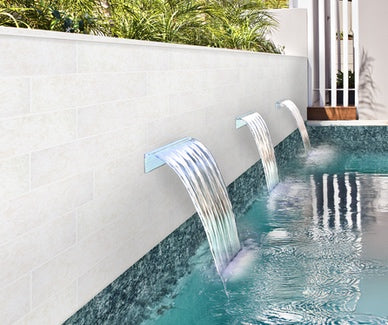
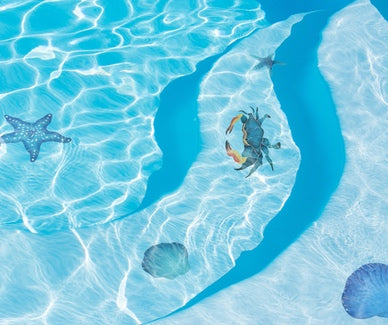
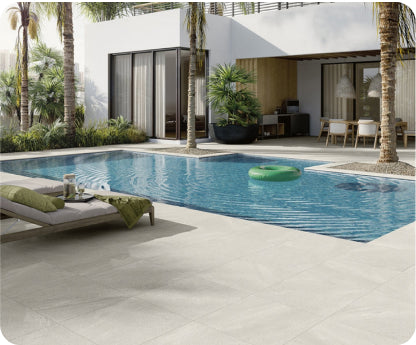
That range is what makes porcelain such a workhorse. The same material that lines your pool waterline can floor your kitchen or wrap your patio, giving you one consistent, durable look that carries indoors and out.
The Trends Porcelain Does Better
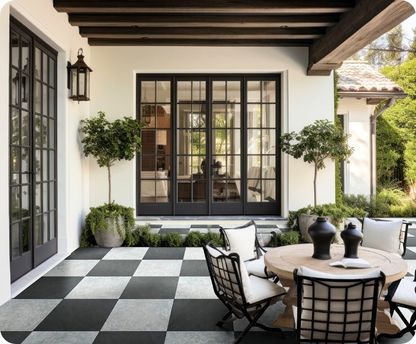
Porcelain has quietly become the smart way to chase almost any design trend, because manufacturers can print and texture the surface to mimic materials that are far less practical to actually install.
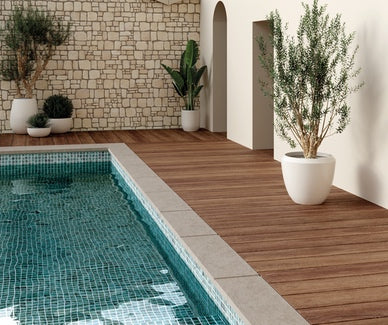
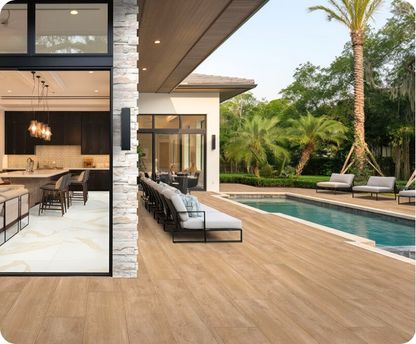
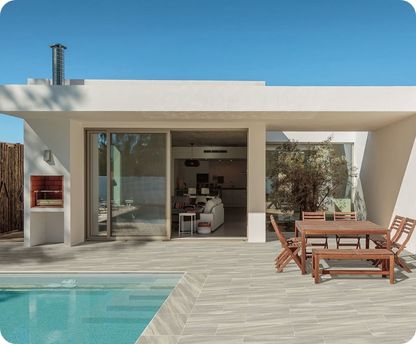
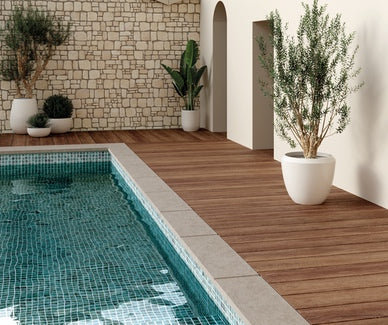
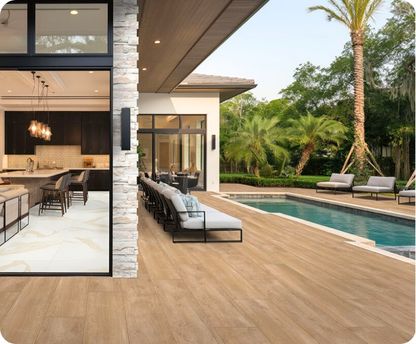
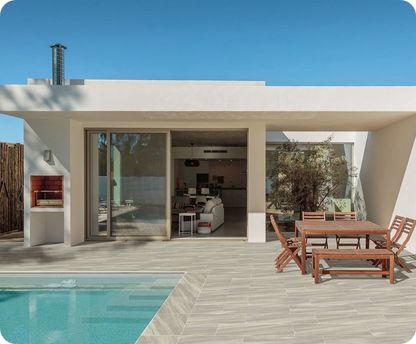
Wood look. All the warmth of a teak or oak deck, none of the warping, splintering, or annual refinishing real wood demands outdoors. Porcelain holds its grain pattern through sun, rain, and pool chemicals without a second thought.
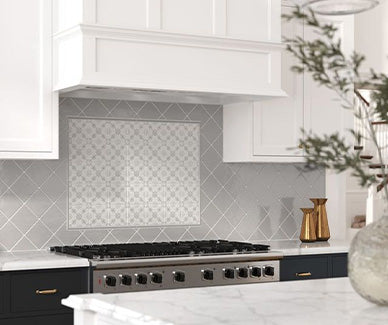
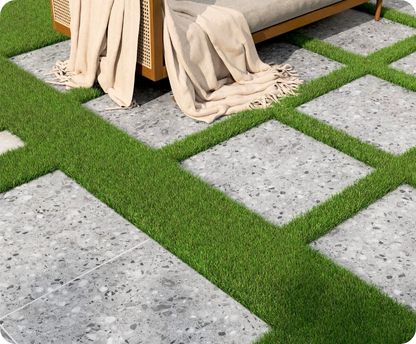
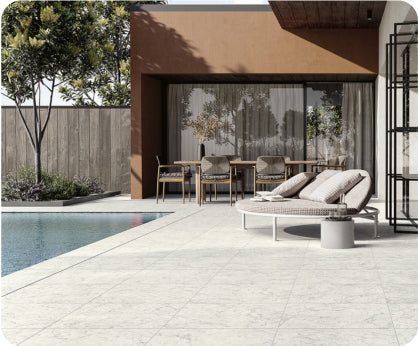
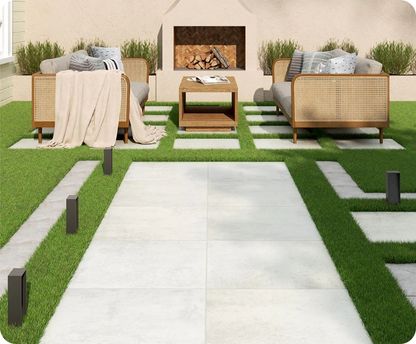
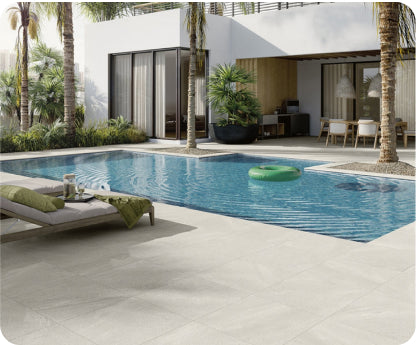
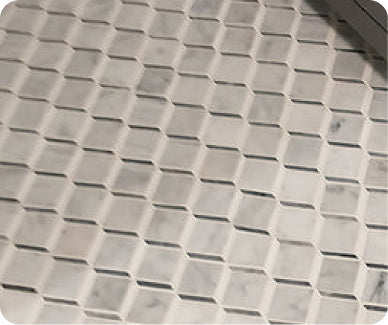
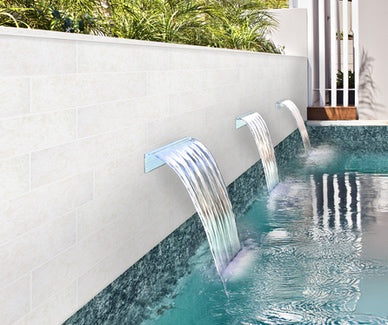
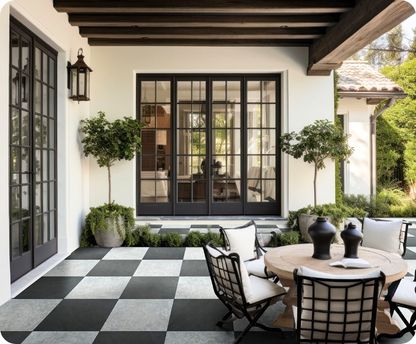
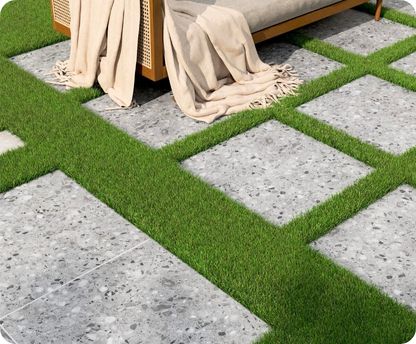
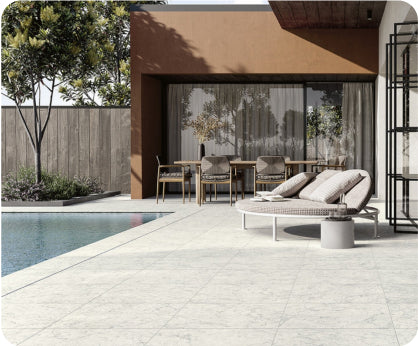
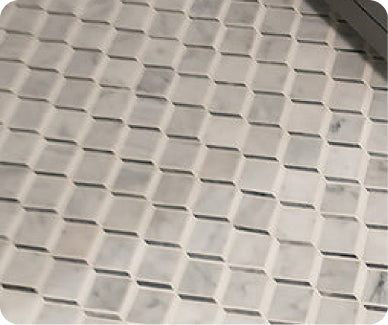
Stone look. Travertine, marble, limestone, quartzite: porcelain replicates the movement and veining of natural stone while skipping the sealing, staining risk, and etching that comes with the real thing near a pool.
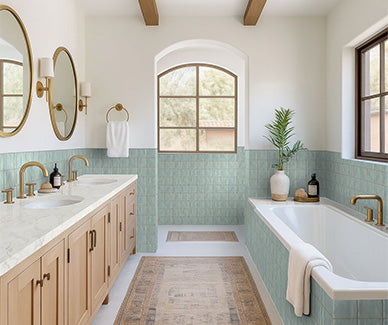
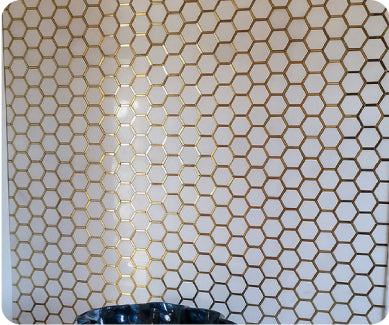
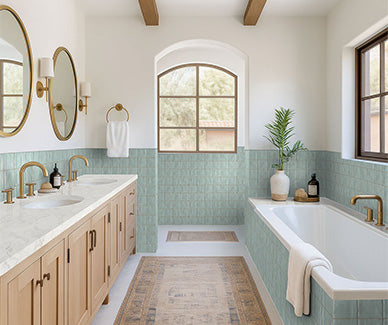
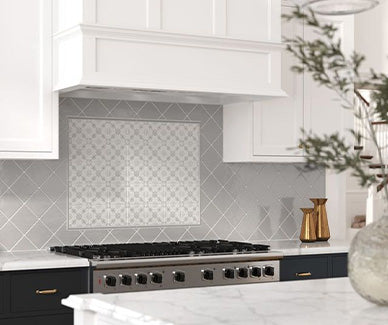
Zellige look. That handcrafted, slightly imperfect Moroccan tile look is everywhere right now, but genuine zellige is soft, porous, and high-maintenance. Porcelain versions capture the same organic variation and texture with none of the fragility.
Same aspirational look, a fraction of the upkeep. That's the case for porcelain in one line.
What to Look For When You're Buying
Water absorption. Porcelain's low absorption rate is what makes it safe for pools, spas, and anywhere it'll see constant moisture. If a tile is labeled porcelain but has a higher absorption rating, look closer at the specs before it goes anywhere wet.
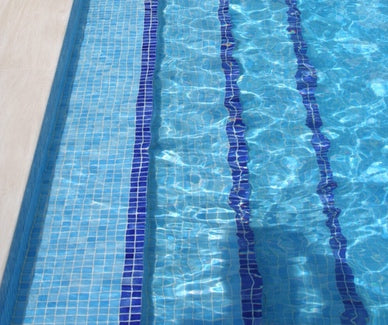
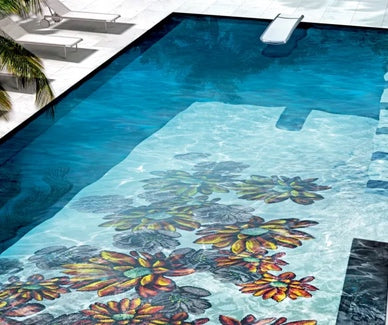
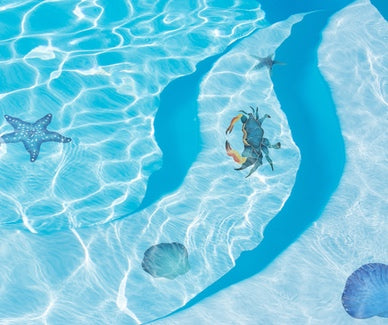
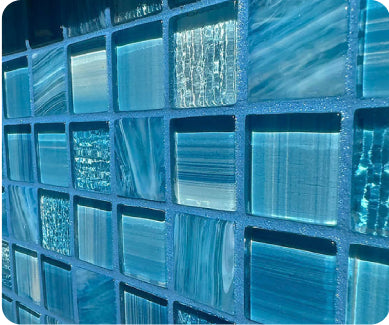
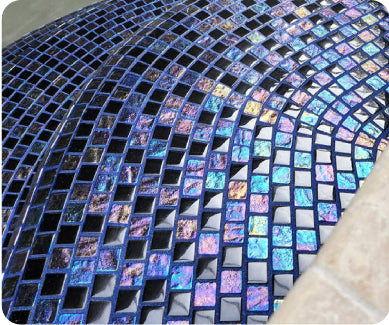
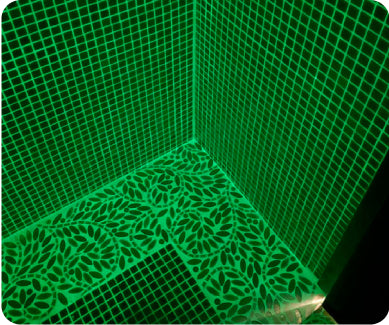
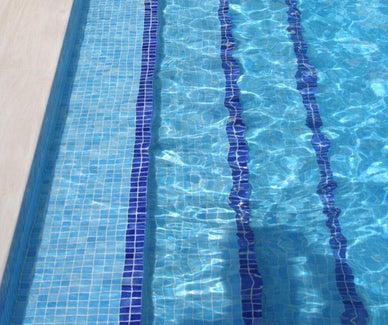
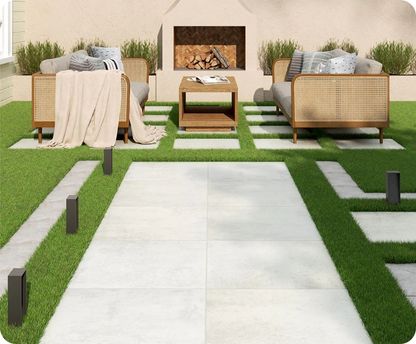
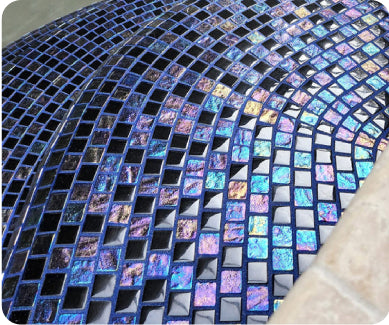
Finish and format. Mosaic formats flex around curves, steps, and waterlines, while larger square or rectangular formats give you clean, uniform lines for decks and floors. Think about where the tile is going before you fall for a finish.
Color stability. Sun exposure and pool chemicals will test any tile over time. Porcelain holds its pigment because the color is fired in, not just coated on, so look for that fired-through finish rather than a surface-level glaze.
Maintenance. Because it's non-porous, porcelain doesn't need sealing the way natural stone often does. A simple, low-maintenance material is one less thing standing between you and actually enjoying your space.
Why It's Worth the Investment
Properly installed porcelain tile can last decades with minimal upkeep. It resists moisture, chemicals, and temperature swings, holds its color and finish, and works just as well indoors as it does poolside. For anyone building a space meant to feel like a permanent vacation, porcelain is the material that keeps that feeling intact year after year.
FAQ
What is porcelain compared to ceramic?
Porcelain is denser and fired at higher temperatures than ceramic, making it more durable and less porous.
Is porcelain tile good for pools?
Yes, porcelain tile is ideal for pools because it resists moisture, chemicals, and temperature changes.
How long does porcelain tile last?
With proper installation, porcelain tile can last for decades with minimal maintenance.
Does porcelain tile require sealing?
Most porcelain tile does not require sealing due to its low water absorption rate.
Why is porcelain tile so popular?
Porcelain tile offers strength, beauty, and versatility for both indoor and outdoor use.
Shop AquaBlu Mosaics Porcelain Tile
Ready to bring this material home? Shop our porcelain tile collections and find the finish that fits your space.
