
































































What Is Epoxy Grout? (Know the Facts)

If you are planning a tile project and want long lasting performance with minimal maintenance, you have probably come across epoxy grout. Many homeowners and professionals alike ask the same question at the start of a project: what is epoxy grout, and is it worth using compared to traditional grout options?
This complete guide explains exactly what is epoxy grout, how epoxy grout works, where it performs best, how to apply it correctly, and how it impacts tile installation costs. Whether you are working on pool tile, kitchen tile, bathroom tile, or a high traffic space like a spa or resort, understanding epoxy grout will help you make a confident and informed decision.
What Is Epoxy Grout?
So, what is epoxy grout in simple terms? Epoxy grout is a type of grout made from epoxy resins and a hardening filler instead of cement. Unlike traditional cement based grout, epoxy grout does not rely on water to cure. Instead, it hardens through a chemical reaction between its components.
Because of this composition, epoxy grout is non porous, highly durable, and extremely resistant to stains, chemicals, and moisture. When people ask what is epoxy grout used for, the answer is usually environments where performance matters more than ease of installation.
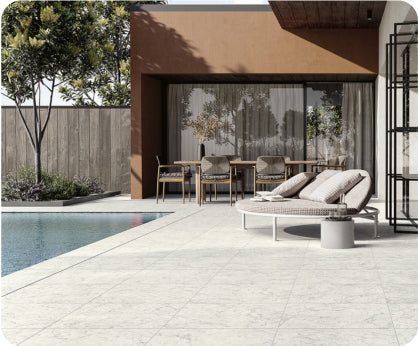
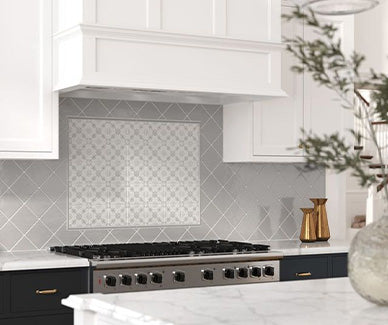
Epoxy grout is commonly used for pool tile, shower walls, bathroom floors, kitchen backsplashes, commercial kitchens, spas, and outdoor tile installations.
How Epoxy Grout Works
Understanding how epoxy grout works helps explain why it performs so well. Once the resin and hardener are mixed, the grout begins to chemically cure. This process creates a dense, waterproof bond between tiles.
Unlike cement grout, epoxy grout does not absorb water or stains. Liquids remain on the surface, making cleanup easier and preventing discoloration over time. This is one of the biggest reasons epoxy grout is favored in pool tile and wet areas.
Because epoxy grout bonds tightly to tile edges, it also resists cracking and shrinking. This makes it ideal for areas exposed to temperature changes, heavy foot traffic, or constant moisture.
Key Purposes Of Epoxy Grout
The main purpose of epoxy grout is performance. When asking what is epoxy grout best for, durability is always at the top of the list.
Epoxy grout is designed to:
- Prevent water absorption
- Resist staining from food, oils, and chemicals
- Reduce mold and mildew growth
- Withstand heavy use in residential and commercial spaces
These benefits make epoxy grout an excellent choice for kitchen tile, bathroom tile, pool tile, spas, resorts, and even restaurant flooring.
Featured Epoxy Grout Products:
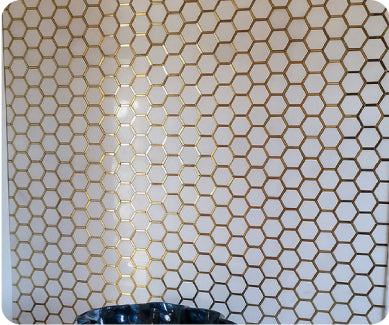
➡️ Gold 5.5 lb Pail Color Pack Tile Grout

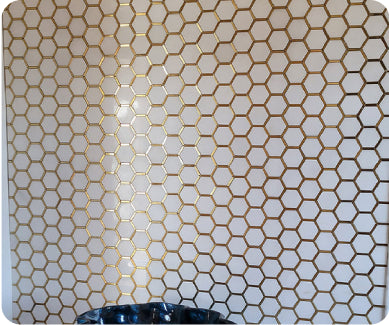
Gold 5.5 lb pail color pack tile grout offers a rich and elegant finish that enhances both modern and classic tile designs. This grout color works particularly well with neutral tile, glass mosaics, and decorative pool tile where warmth and visual contrast are desired.
When paired with epoxy grout systems, gold toned grout delivers both beauty and durability. It maintains consistent color over time and resists fading, making it ideal for areas exposed to water and cleaning products.
This grout color is well suited for kitchen tile backsplashes, bathroom accent walls, and pool tile installations where design plays an important role. It adds a refined touch without overpowering surrounding materials.
For homeowners considering what is epoxy grout capable of aesthetically, this product shows how performance and style can coexist.
➡️ Bianco Assoluto EVO100 Tile Grout

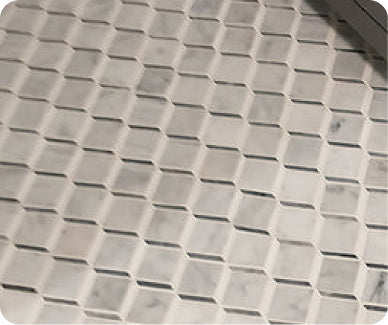
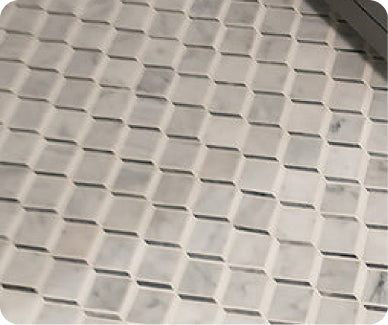
Bianco Assoluto EVO100 tile grout is a crisp white option designed to complement light colored tile and minimalist spaces. White grout can be challenging in high moisture areas, which is why epoxy grout formulations are especially valuable.
When used with epoxy grout systems, Bianco Assoluto maintains its bright appearance without yellowing or staining. This makes it ideal for bathroom tile, shower walls, and spa environments.
This grout color pairs beautifully with marble look porcelain, ceramic subway tile, and glass tile. It creates clean lines and a seamless appearance that enhances tile layouts.
For anyone asking what is epoxy grout best for visually, white epoxy grout like Bianco Assoluto proves that durability does not require sacrificing elegance.
➡️ Blue Denim EVO 340 Epoxy Grout

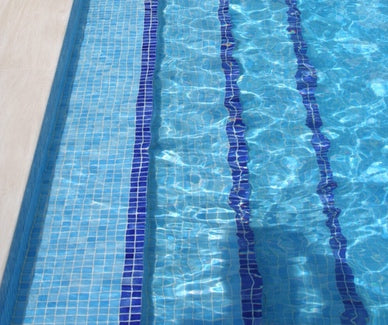
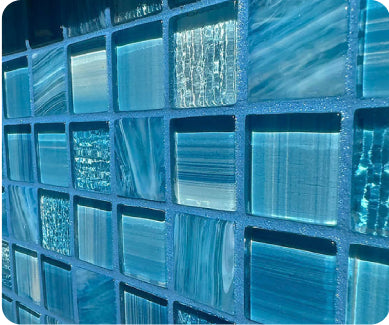
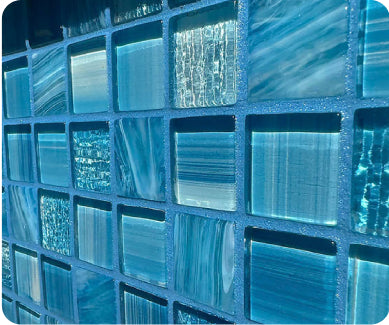
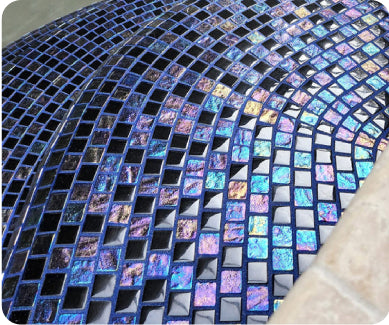
Blue Denim EVO 340 epoxy grout brings bold character and depth to tile installations. This color is often chosen for pool tile, water features, and contemporary bathrooms where color plays a central role in the design.
As an epoxy grout, Blue Denim offers excellent resistance to fading, chemicals, and moisture. This makes it especially well suited for pool environments and outdoor tile applications.
The rich blue tone enhances aquatic designs and pairs well with glass tile, porcelain tile, and mosaic patterns. It creates strong visual definition between tiles while maintaining a clean finish.
When evaluating what is epoxy grout capable of in creative design, this product highlights the versatility of color rich epoxy grout options.
➡️ Nero Carbonio EVO145 Epoxy Tile Grout

Nero Carbonio EVO145 epoxy tile grout delivers a bold, modern aesthetic with superior performance. This deep charcoal black grout is commonly used to create striking contrast with light tile or to complement dark tile for a seamless look.
As an epoxy grout, Nero Carbonio offers outstanding stain resistance and color stability. It performs exceptionally well in kitchens, bathrooms, pools, and commercial spaces where durability is essential.
This grout color is often selected for contemporary designs, spa environments, and luxury resorts. It enhances geometric tile patterns and highlights clean lines.
For those exploring what is epoxy grout capable of in high end applications, Nero Carbonio demonstrates both visual impact and long term reliability.
Epoxy Grout Vs Cement Grout
One of the most common comparisons after asking what is epoxy grout is how it differs from cement grout.
Cement grout is easier to install and generally costs less upfront. However, it is porous, requires sealing, and can stain or crack over time.
Epoxy grout, on the other hand, costs more and requires careful installation, but it offers superior longevity and minimal maintenance. Over the life of a tile installation, epoxy grout often proves to be more cost effective due to fewer repairs and less upkeep.
Using Epoxy Grout For Pool Tile
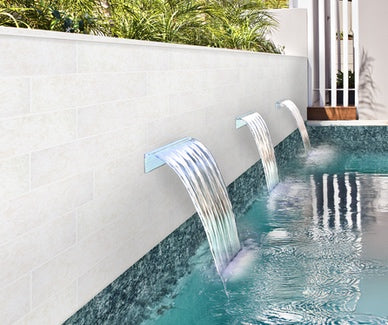
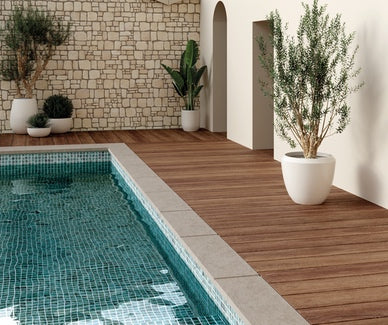
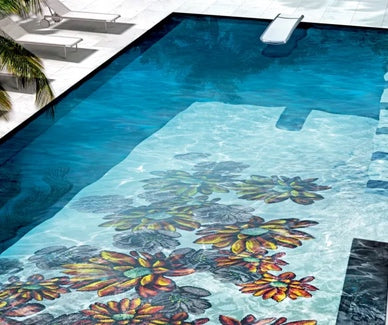
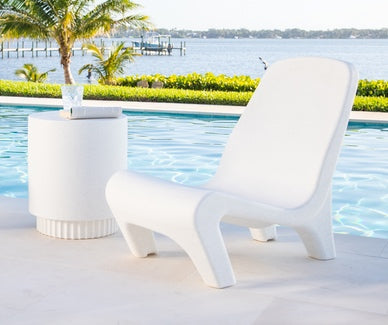
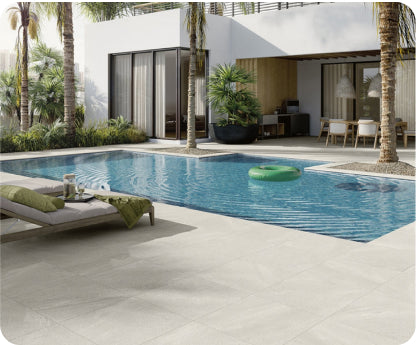
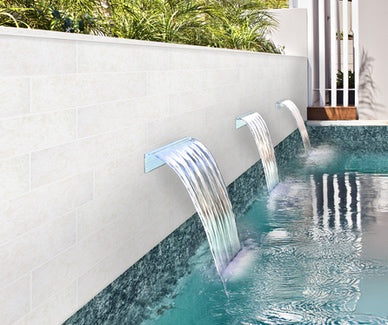
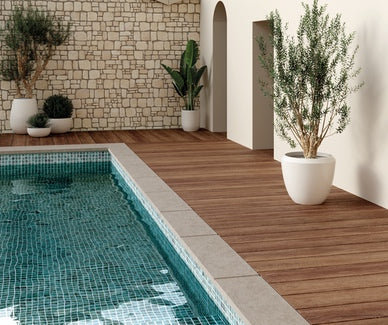
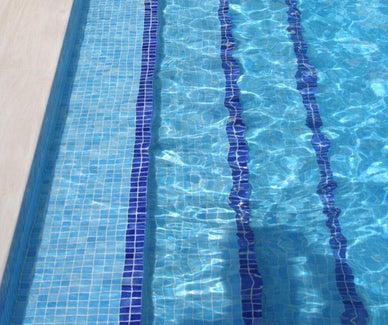
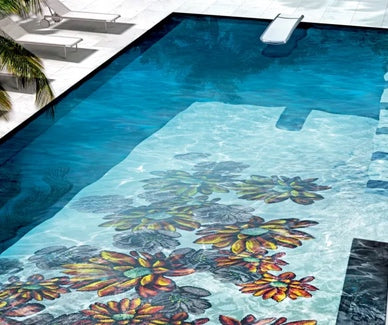
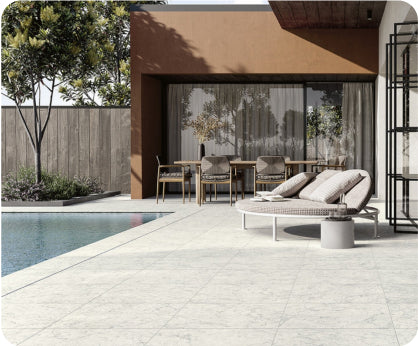
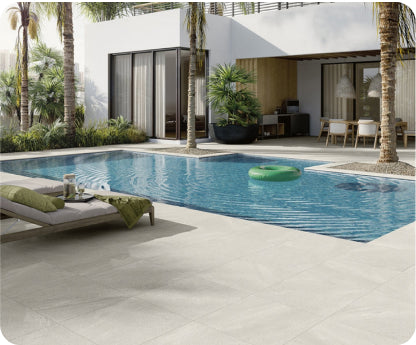
Epoxy grout is especially popular for pool tile applications. Pool environments expose grout to constant moisture, chemicals, and temperature fluctuations.
Because epoxy grout is waterproof and chemical resistant, it helps maintain clean grout lines and prevents deterioration caused by chlorine or saltwater systems. This makes epoxy grout one of the best choices for swimming pools, hot tubs, and water features.
For anyone wondering what is epoxy grout good for outdoors, pool installations are a prime example.
Using Epoxy Grout In Kitchens And Bathrooms
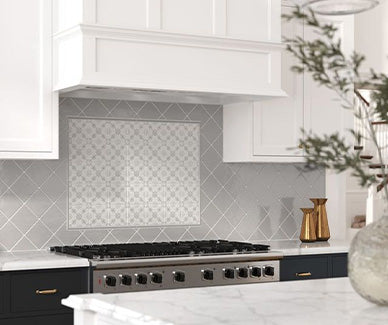
In kitchens and bathrooms, epoxy grout offers both practical and aesthetic advantages. Kitchen tile is often exposed to grease, food spills, and cleaning chemicals. Epoxy grout resists staining and eliminates the need for sealing.
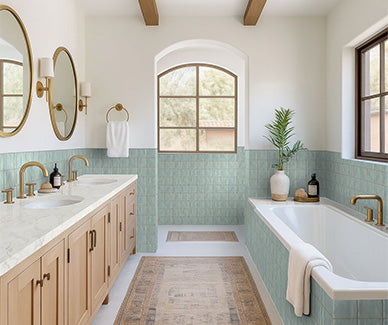
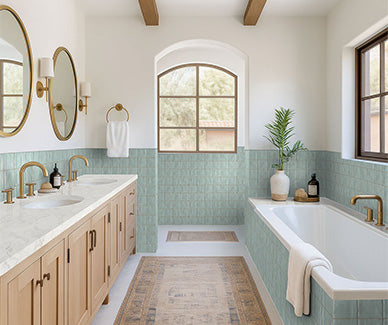
Bathroom tile benefits from epoxy grout because it prevents mold and mildew growth in damp conditions. Shower walls, bathroom floors, and vanity backsplashes all benefit from the moisture resistance epoxy grout provides.
Epoxy Grout For Spas And Resorts
High end spas and resorts frequently use epoxy grout for both functional and visual reasons. These spaces require grout that stays clean, uniform, and durable despite constant use.
Epoxy grout maintains consistent color and resists discoloration even under heavy cleaning schedules. For luxury environments, epoxy grout helps preserve a polished and professional appearance.
How To Apply Epoxy Grout
Applying epoxy grout requires precision and preparation. Before starting, ensure all tiles are firmly set and free of dust or debris.
Epoxy grout typically comes in pre measured components that must be mixed thoroughly. Once mixed, the grout has a limited working time, often referred to as pot life.
The grout is spread using a rubber float, pressing it firmly into the joints. Excess grout must be cleaned promptly using water and approved cleaning pads. Unlike cement grout, epoxy grout residue can harden quickly if not removed during installation.
Proper timing and technique are critical when working with epoxy grout, which is why many homeowners choose professional installation.
Tile Installation Costs And Epoxy Grout
Epoxy grout can impact tile installation costs. Material costs for epoxy grout are higher than cement grout, and labor costs may increase due to the more complex installation process.
On average, using epoxy grout can increase tile installation costs by 10 to 30 percent. However, the long term savings from reduced maintenance, no sealing, and longer lifespan often offset the initial expense.
When evaluating tile installation costs, it is important to consider total lifetime value rather than just upfront pricing.
Maintenance And Longevity Of Epoxy Grout
One of the biggest advantages after understanding what is epoxy grout is its low maintenance nature. Epoxy grout does not require sealing and is easy to clean with mild cleaners.
It resists mold, mildew, and staining, making it ideal for busy households and commercial environments. With proper installation, epoxy grout can last for decades without needing replacement.
FAQ
What Is Epoxy Grout Best Used For?
Epoxy grout is best for pool tile, kitchen tile, bathroom tile, and high moisture or high traffic areas.
Is Epoxy Grout Waterproof?
Yes, epoxy grout is waterproof and non porous.
Does Epoxy Grout Increase Tile Installation Costs?
Yes, epoxy grout can increase tile installation costs initially, but it often reduces long term maintenance expenses.
Is Epoxy Grout Hard To Install?
Epoxy grout requires more precision and experience than cement grout.
Can Epoxy Grout Be Used Outdoors?
Yes, epoxy grout performs very well in outdoor and pool environments.
