




























































Top Outdoor Kitchen Tile and Backsplash Picks

An outdoor kitchen only looks as good as the tile behind it, and that's not just about style! The tile around your grill, counters, and backsplash has to survive heat, sun, rain, and constant use in a way indoor kitchen tile never has to. Picking the wrong material means cracking, fading, or staining within a season or two. This guide covers the best outdoor kitchen tile and backsplash picks for 2026, what separates heat-resistant tile from tile that just looks tough, and how to plan your outdoor kitchen design around materials that'll actually hold up.
Why Outdoor Kitchen Tile Is a Different Category
A tile built for an indoor kitchen isn't automatically safe for an outdoor one. Sun exposure, temperature swings, and proximity to an open flame or grill all put extra demands on the material.
What Outdoor Kitchen Tile Needs to Handle
- Heat resistance: Areas near a grill or pizza oven need tile rated to withstand direct or radiant heat without cracking or discoloring
- Weather resistance: Tile has to hold up through freeze-thaw cycles, rain, and constant UV exposure without fading
- Low maintenance: Grease, food spills, and outdoor grime mean stain resistance matters more here than almost anywhere else in the home
- Slip resistance: Wet, high-traffic areas around an outdoor kitchen benefit from a textured or matte finish rather than a glossy one
Outdoor kitchen tile built specifically for these conditions is weather-resistant and low-maintenance by design, making it a better long-term investment than repurposing indoor-rated tile outside.
A quick note before you shop: not every ceramic, glass, or even porcelain tile is rated for outdoor use. Ratings vary by product line, so always check the individual product page for the specific tile you're considering to confirm it's approved for outdoor and, if needed, heat-adjacent installation.

Ceramic Tile: A Popular Outdoor Kitchen Pick
Ceramic outdoor kitchen tile is a strong option for patios, grilling areas, and outdoor bars specifically because it's built to withstand moisture, heat, and heavy foot traffic. It also resists stains and grease, which makes daily cleanup considerably easier than with more porous materials.
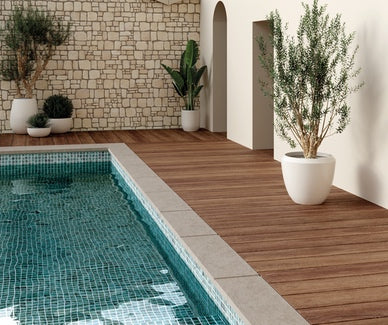
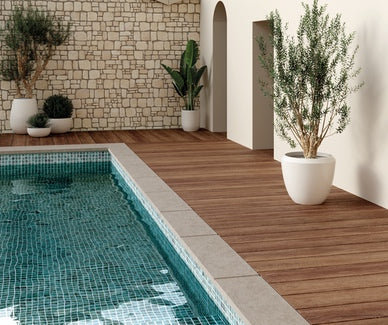
Ceramic's softer composition (compared to porcelain) also makes it easier to cut on-site, which can be a real advantage for custom layouts around grills, counters, or an outdoor pizza oven. It comes in a wide enough range of colors and textures that it works for modern, rustic, or coastal outdoor kitchen designs alike.
Not all ceramic tile is outdoor-rated, though, so confirm the specific product you're eyeing is approved for exterior use before you order.

Porcelain Backsplash Tile: Built for Durability
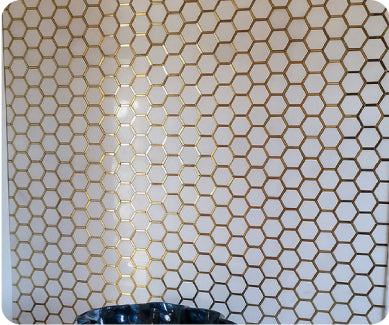
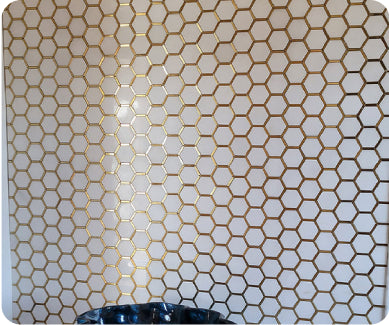
For a backsplash that needs to handle direct splashes, grease, and heat near a cooktop or grill, porcelain backsplash tile is one of the most durable options available. Porcelain's density makes it more water- and stain-resistant than ceramic, which matters most directly behind a cooking surface where spills and heat exposure are constant.
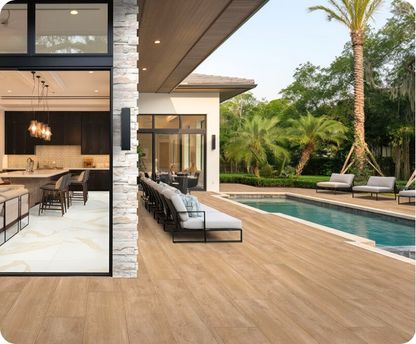
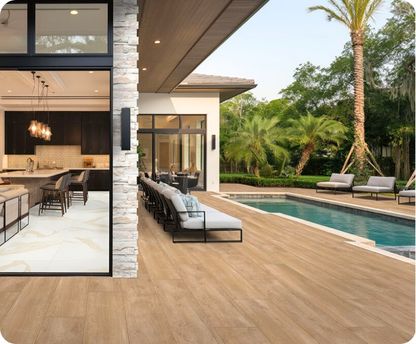
Porcelain is also a strong match for outdoor kitchens that connect visually to an indoor space, since large-format porcelain slabs can create a seamless look between an indoor kitchen and an outdoor extension of it.

Glass Tile: The Statement Backsplash Choice
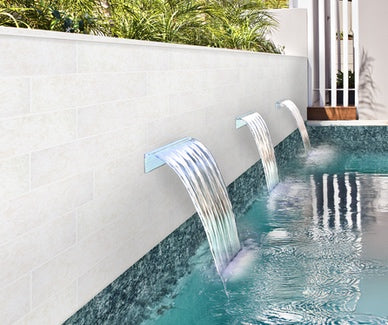
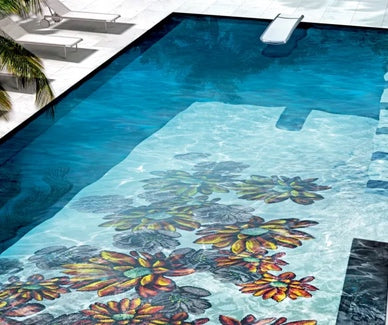
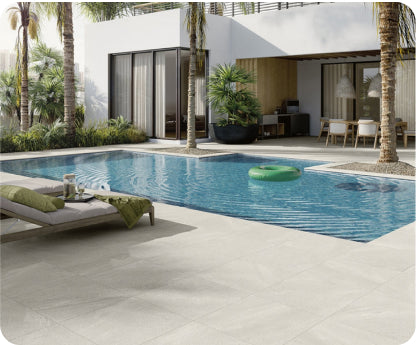
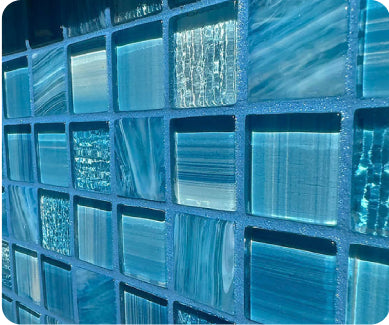
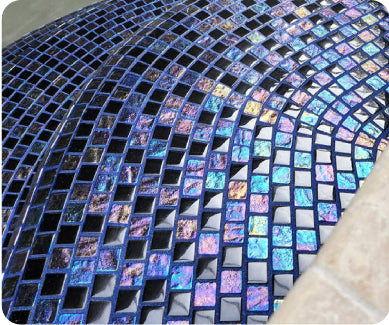
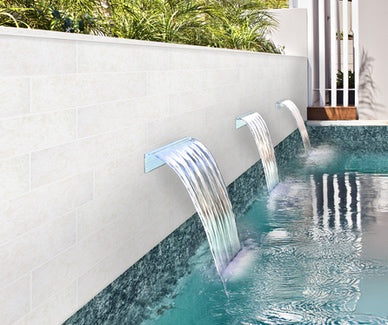
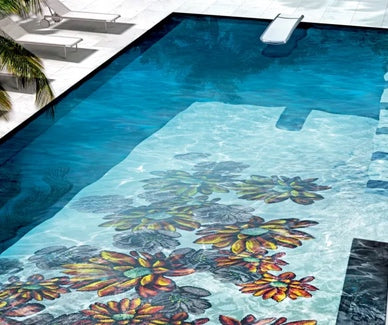
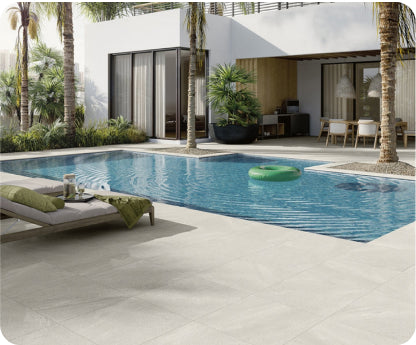
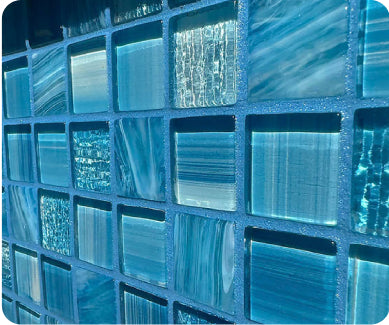
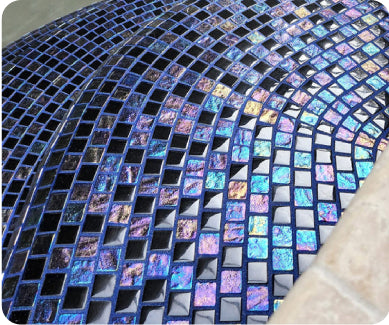
If ceramic and porcelain are the workhorses, glass tile is the one that makes people stop and look. Glass backsplash tile catches light the way water does, which makes it a natural fit for a poolside kitchen or any outdoor space that's chasing that resort feel. It's non-porous, so it won't absorb grease or stains, and it holds its color for years without fading in direct sun.
Glass is best used with intention rather than wall to wall. A glass tile backsplash behind the cooktop, a mosaic accent band, or a glass and stone blend gives you that reflective, jewel-toned pop without taking on the higher price point of a full glass installation. Pair it with a matte porcelain field tile for the flooring and counters, and let the glass do the talking where it's seen most.
Glass tile also varies more than most materials when it comes to outdoor ratings, so double check the product page for the specific tile you want before installing it outside.
Outdoor Backsplash Design Ideas Worth Considering
The backsplash is one of the most visible parts of an outdoor kitchen, so it's worth treating as a design feature rather than an afterthought.
- Full-height backsplash: Running tile from counter to the underside of upper cabinetry or a pergola creates a cleaner, more finished look than a short backsplash strip
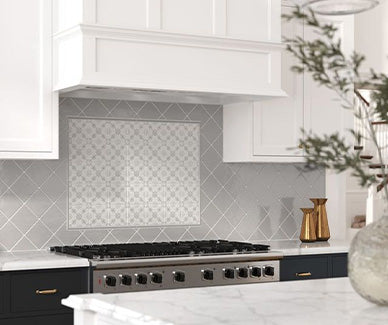
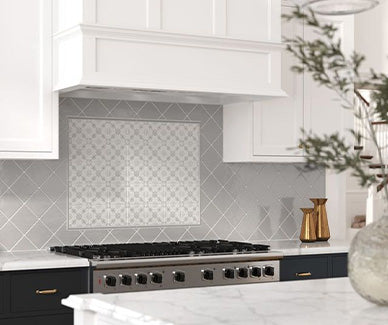
- Contrasting accent tile: A bolder pattern or color behind the cooking area draws the eye and breaks up an otherwise neutral outdoor kitchen
- Matching indoor and outdoor tile: Choosing a similar tile (or the same one, if rated for both) between an indoor kitchen and an outdoor one creates visual continuity for homes with adjoining spaces
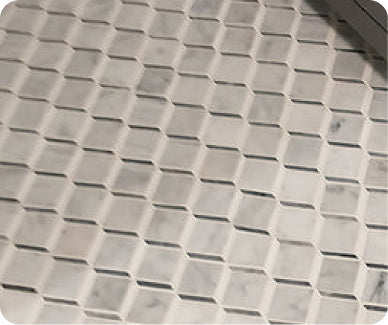
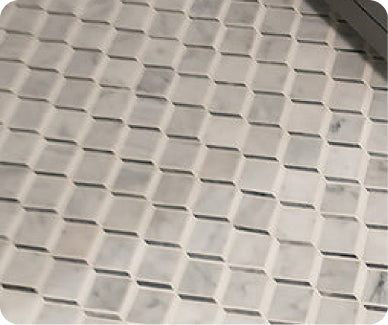
- Textured tile: Patterned or dimensional outdoor backsplash tile adds visual interest without needing bold color
- Glass accents: A glass mosaic strip or inset panel adds shimmer and depth to an otherwise matte backsplash, especially near a pool or water feature
Planning Your Outdoor Kitchen Design Around Tile
Tile choice affects more than just the backsplash, it shapes the whole outdoor kitchen design.
- Choose flooring tile with slip resistance in mind first, since outdoor kitchen floors regularly get wet from cooking, cleaning, or weather
- Coordinate countertop, backsplash, and flooring tile so the space feels cohesive rather than assembled from mismatched pieces
- Factor in tile near direct heat sources (grills, fire features) separately, prioritizing heat-rated materials in those specific zones
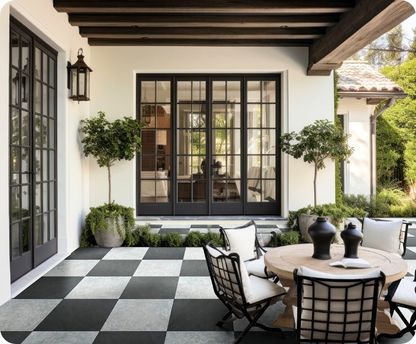
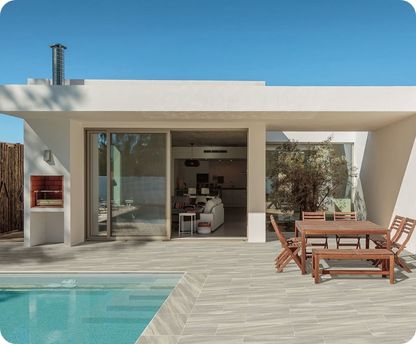
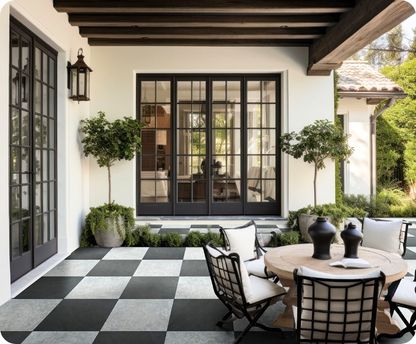
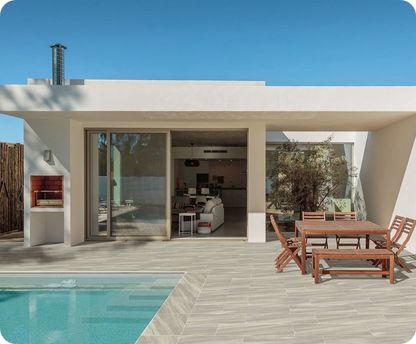
- Consider a patio kitchen tile that extends slightly beyond the kitchen footprint to visually tie the cooking area into the broader outdoor living space
FAQ
Is ceramic or porcelain tile better for an outdoor kitchen? Both work well outdoors, but porcelain is denser and more water- and stain-resistant, making it a stronger choice directly around cooking and prep areas, while ceramic offers similar durability at an often more budget-friendly price point.
What is the best material for an outdoor kitchen backsplash? Porcelain and ceramic tile are both popular for outdoor kitchen backsplashes thanks to their durability, low maintenance, and design flexibility, along with their resistance to grease and stains. Glass tile is a great choice for an accent area or statement backsplash where you want shimmer and color rather than heat resistance right at the cooktop.
Can glass tile be used outdoors? Yes, glass tile holds up well outdoors and resists fading and staining, but it's best placed away from direct, sustained heat sources like a grill or pizza oven, where ceramic or porcelain is the safer pick.
Does outdoor kitchen tile need to be heat-resistant? Yes, especially in areas near a grill, pizza oven, or other direct heat source. Standard indoor tile isn't always rated for that kind of heat exposure and can crack or discolor over time.
Can outdoor kitchen tile handle winter weather? Tile rated for outdoor use is generally built to handle freeze-thaw cycles and temperature swings, but always check the specific product's outdoor rating before installing in a climate with harsh winters.
Should my outdoor kitchen tile match my indoor kitchen? It's not required, but choosing a complementary or matching tile between indoor and outdoor kitchens can create a more cohesive look, especially in homes where the two spaces are visually connected.
Find Tile for Your Outdoor Kitchen
Explore outdoor kitchen tile, ceramic outdoor options, porcelain backsplash tile, and glass accent tile, and find the right fit to build an outdoor kitchen that looks as good in five years as it does on day one!
