
































































The Vertical Revolution: Floor To Ceiling Wall Tile Trends


Floor to ceiling design has become one of the most striking approaches in modern interiors. Instead of stopping tile at a midpoint or using partial accents, designers are now embracing full height coverage to create immersive, architectural spaces.
This approach transforms ordinary walls into continuous surfaces of texture, color, and pattern. Whether used in kitchens, bathrooms, or living rooms, tile is playing a major role in this shift toward bold, uninterrupted design.
Why Floor To Ceiling Tile Feels So Powerful
One of the main reasons floor to ceiling tile is so impactful is because it removes visual breaks. When tile runs from the floor all the way to the ceiling, the eye travels smoothly across the surface without interruption.
This creates a sense of height and expansion. Rooms feel taller, cleaner, and more intentional. Unlike partial wall treatments, full coverage tile makes the entire surface feel like a finished architectural element rather than just a background.
The use of tile in this way also adds permanence and structure to a space. It turns walls into features rather than simple boundaries.
Kitchen Tile Trends With Full Height Coverage
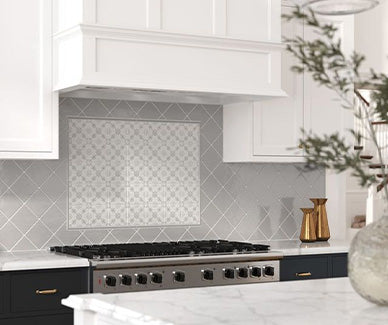
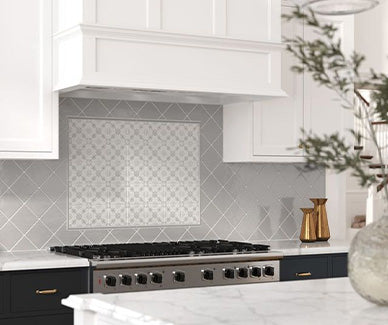
In kitchens, floor to ceiling tile is becoming a defining design choice. Instead of limiting tile to backsplashes, designers are extending it across entire walls.
This approach allows kitchen tile to become a central design element rather than a supporting detail. It frames cabinetry, highlights cooking areas, and adds depth behind open shelving.
Using tile across full kitchen walls also creates a cohesive and polished look. It reduces visual clutter and helps unify different design elements such as countertops, appliances, and storage.
Bathroom Tile As A Spa-Like Experience
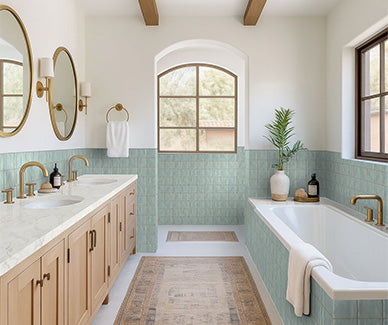
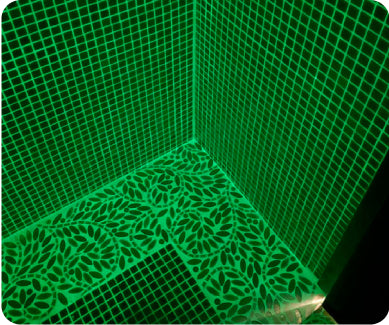
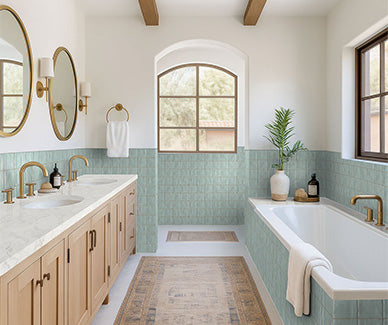
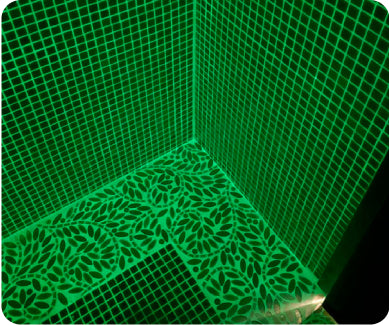
Bathrooms are one of the most popular spaces for full height tile applications. Floor to ceiling tile in bathrooms creates a spa-like environment that feels immersive and calming.
When tile covers every vertical surface, the bathroom feels more cohesive and intentional. There are no visual breaks, which helps create a clean and uninterrupted atmosphere.
This use of tile also enhances the feeling of luxury. Even simple materials can feel elevated when they are applied across full walls, turning everyday bathrooms into refined personal retreats.
Living Room Accent Walls With Tile
While kitchens and bathrooms are traditional spaces for tile, living rooms are now entering the trend. Floor to ceiling tile is being used to create dramatic accent walls that serve as focal points.
A tiled wall behind a fireplace or media unit can completely transform the feel of a living room. The texture and depth of tile add architectural interest that paint or wallpaper cannot achieve.
In these spaces, tile becomes both decorative and structural, helping define zones within open floor plans.
The Role Of Texture And Pattern In Tile Design
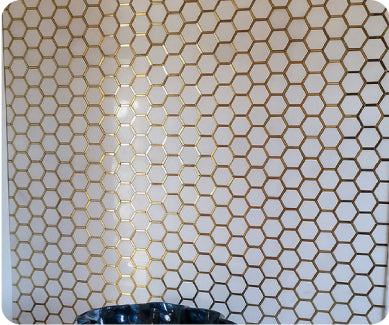
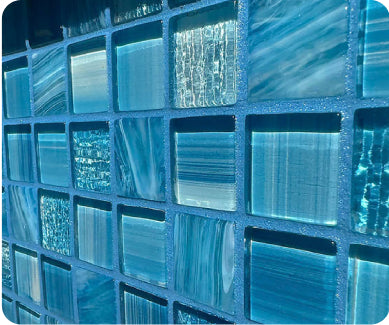
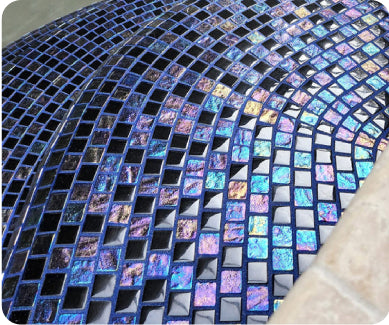
Texture plays a major role in the success of floor to ceiling tile. Smooth tile creates a sleek and modern look, while textured tile adds depth and movement.
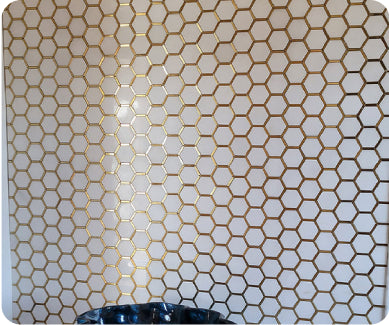
Patterns also influence how tile is perceived. Vertical patterns can make ceilings feel higher, while horizontal patterns can widen a space visually.
When selecting tile for full wall applications, it is important to consider how texture and pattern will interact with lighting throughout the day.
Color Choices That Enhance Tile Walls
Color is another key factor in floor to ceiling tile design. Neutral tones like white, beige, and gray create a timeless and versatile backdrop.
Darker tile can add drama and sophistication, especially in larger rooms with plenty of natural light. Bold colors can be used strategically to create statement walls.
Because tile covers such a large surface area in this design approach, color has a stronger overall impact on the mood of the room.
How Tile Changes Spatial Perception
One of the most interesting effects of floor to ceiling tile is how it changes spatial perception. Continuous tile surfaces can make rooms feel taller and more structured.
The absence of breaks in the wall allows the eye to move freely, which can make smaller spaces feel more open. In larger rooms, tile helps add definition and architectural clarity.
This is why tile is increasingly being used not just as a surface material, but as a tool for shaping how a space is experienced.
Combining Tile With Other Materials
Floor to ceiling tile does not need to stand alone. It can be paired with other materials to create contrast and balance.
Wood elements can soften the look of tile, while metal fixtures can enhance its modern appeal. Glass and stone can also complement tile by adding variety in texture and reflection.
The key is to maintain balance so that tile remains a dominant design feature without overwhelming the space.
Maintenance And Long Term Value Of Tile Walls
One of the practical benefits of using tile is its durability. Once installed, tile walls are long-lasting and easy to maintain compared to many other wall finishes.
This makes floor to ceiling tile a strong long-term investment. It not only enhances the visual appeal of a space but also contributes to its functionality and longevity.
Over time, tile maintains its appearance better than many alternative materials, making it a reliable choice for high-use areas.
FAQ
Why Do Designers Use Floor To Ceiling Tile?
Designers use tile to create uninterrupted surfaces that make rooms feel taller, cleaner, and more cohesive.
Is Floor To Ceiling Tile Only For Bathrooms?
No, tile is used in kitchens, bathrooms, and even living rooms for accent walls and feature designs.
Does Full Wall Tile Make A Room Look Smaller?
Not necessarily. In many cases, tile can actually make a room feel larger by removing visual breaks.
What Type Of Tile Works Best For Full Walls?
Both smooth and textured tile can work well depending on the desired style and lighting conditions.
Is Floor To Ceiling Tile A Modern Trend?
Yes, but it is also considered timeless because tile has been used in architecture for centuries.
