
























































The Tile Material Guide: What to Use Where, From Backsplash to Pool Deck

Walk into any tile showroom and you'll find four materials doing very different jobs. Glass throws light around a room. Porcelain shrugs off water and traffic without a second thought. Ceramic keeps a kitchen backsplash looking fresh for a fraction of the cost. Natural stone brings texture no factory can fully replicate. None of them is universally "the best." Each one earns its place depending on where it's going and what that space needs to survive.
Here's how to tell them apart, and which one to reach for depending on the space you're designing.
1. Start With What Each Material Actually Is
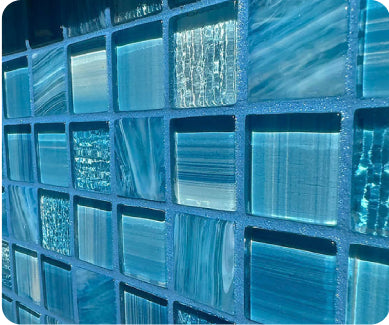
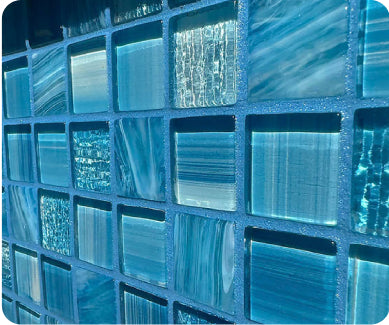
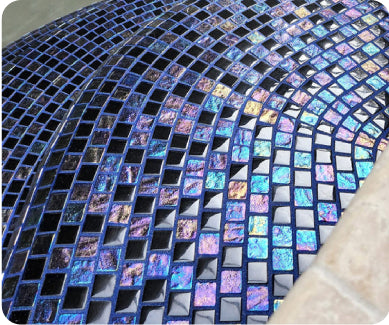
Glass tile: Made from molten glass, pigmented and fused so the color lives inside the tile itself rather than sitting on top of it. It's non-porous, which means it doesn't absorb water, stain, or fade. Light passes through and bounces back, which is why glass tile reads more luminous and saturated than any other material, especially in wet spaces like showers and pools. Shop glass tile.
Porcelain tile: A dense, kiln-fired clay tile pressed at high pressure and fired at a higher temperature than ceramic. That extra density makes it harder, less porous, and far more durable underfoot. Porcelain also comes in an enormous range of finishes, including convincing wood, stone, and concrete looks, without the sealing or upkeep the real material would require. Shop porcelain tile.
Ceramic tile: Also kiln-fired clay, but softer and more porous than porcelain, and typically lighter. It's easier to cut and install, which keeps labor costs down, and it comes in nearly limitless colors, patterns, and shapes. The tradeoff is durability. Ceramic isn't built for heavy traffic, constant moisture, or outdoor exposure the way porcelain is. Shop ceramic tile.
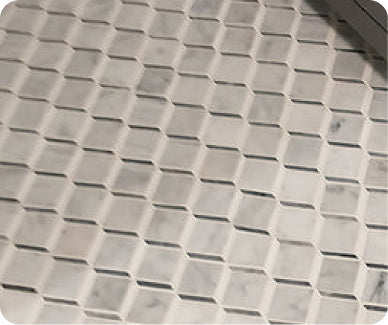
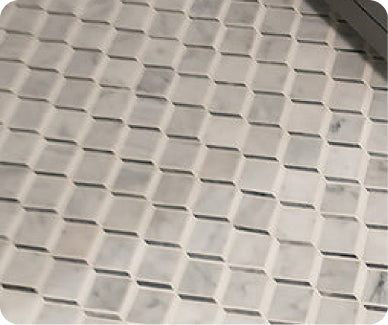
Natural stone tile: Quarried marble, travertine, slate, or limestone, cut into tile format. Nothing matches the depth, veining, and one-of-a-kind character of real stone. It's porous by nature, though, which means it needs sealing on installation and periodically afterward to resist staining and moisture damage. Shop natural stone tile.
A quick way to think about it: glass and porcelain are built for water and wear, ceramic is built for style and budget in low-traffic spots, and stone is built for a look nothing manufactured can fully copy.
2. Match the Material to the Space
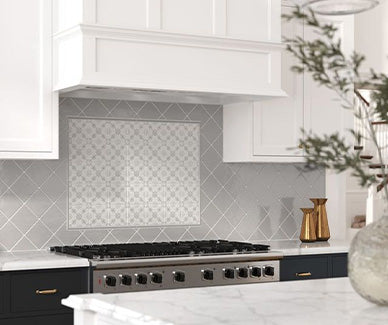
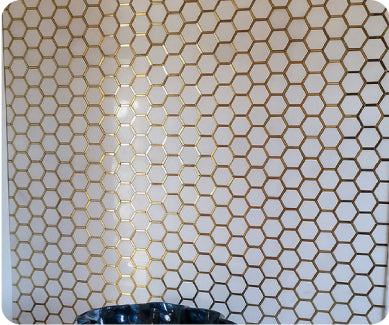
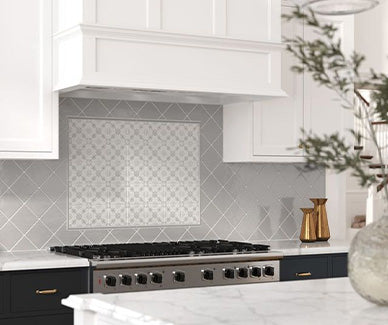
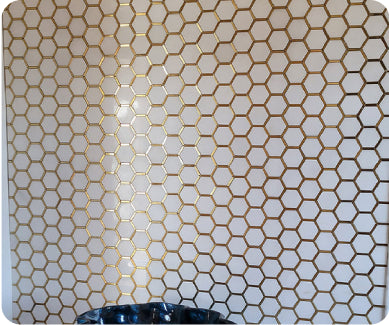
Kitchen backsplash: This is ceramic and glass tile's home turf. Both come in an enormous range of colors and patterns, install easily on a vertical surface, and rarely deal with standing water or foot traffic. Glass adds shimmer behind a range or sink. Ceramic is the budget-friendly way to make a bold pattern statement without a bold price tag. Porcelain also works well here if you want a large-format, low-maintenance option. Shop backsplash tile.
Kitchen and entryway floors: Porcelain is the clear choice. It handles dropped pans, foot traffic, and spills without staining or chipping, and it comes in wood and stone looks that hold up to decades of daily use in a way real wood and stone can't in a kitchen. Shop porcelain flooring.
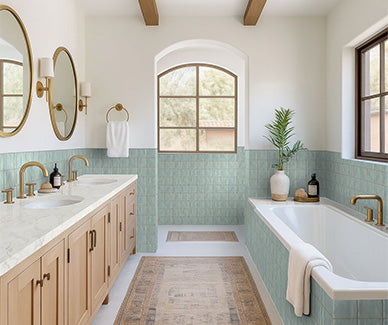
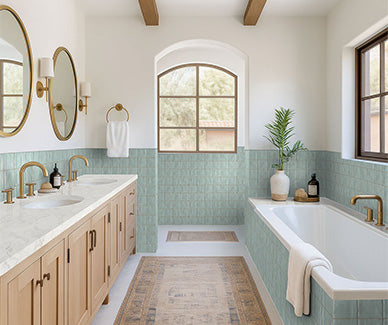
Bathroom walls and shower surrounds: Glass and porcelain both perform well against constant moisture. Glass brings brightness and reflects light around a shower, which makes small bathrooms feel larger. Porcelain gives you more finish options, including large-format panels that minimize grout lines. Natural stone can work here too, but only with proper sealing and ongoing maintenance to keep water from working into the surface. Shop glass bathroom tile or porcelain bathroom tile.
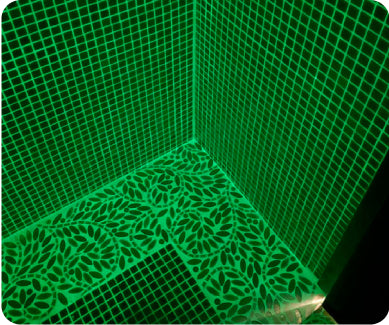
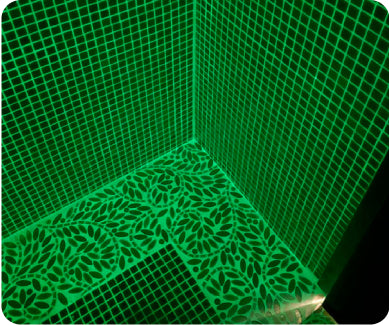
Shower floors: Porcelain, ideally in a small-format mosaic. Small pieces mean more grout lines, which translates to better traction on a wet, sloped surface. Shop shower floor tile.
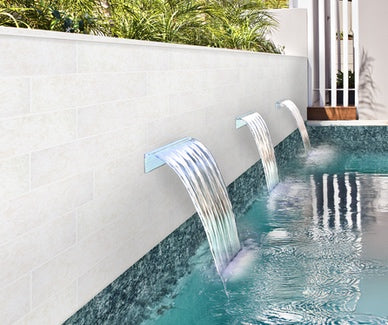
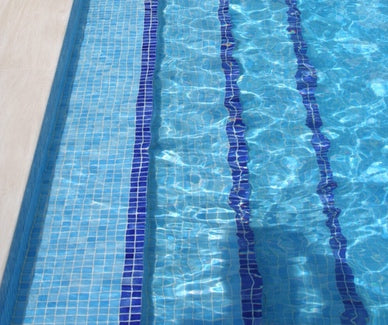
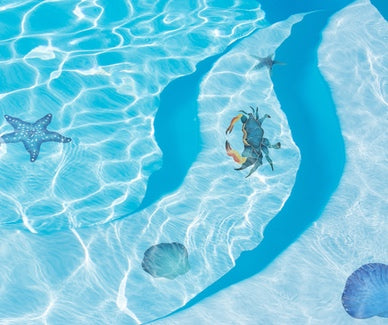
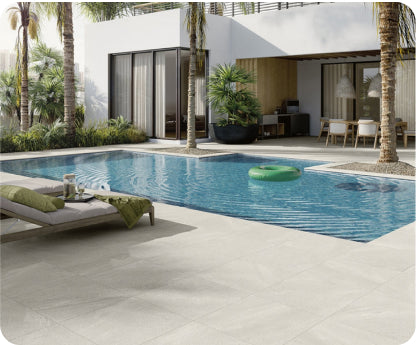
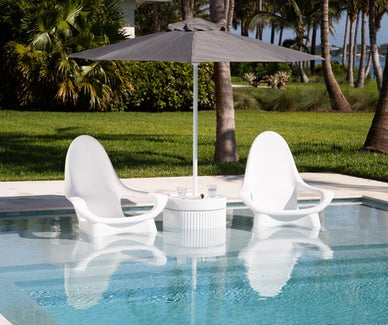
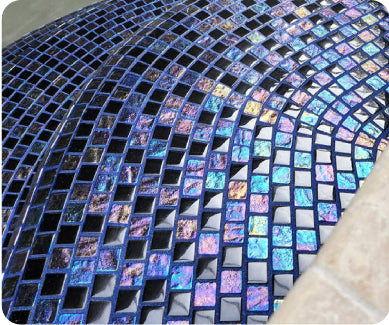
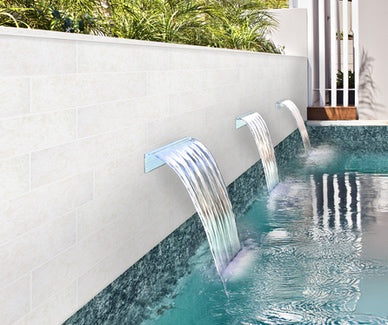
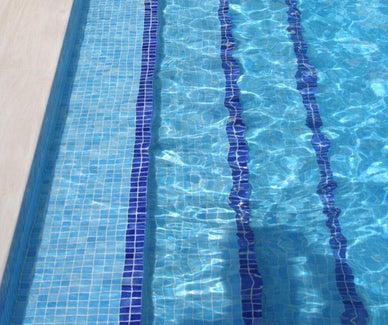
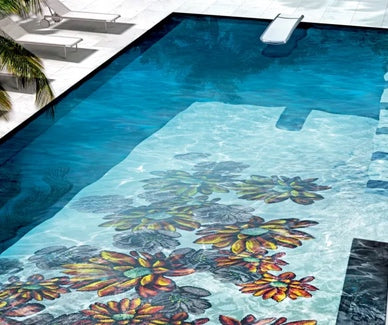
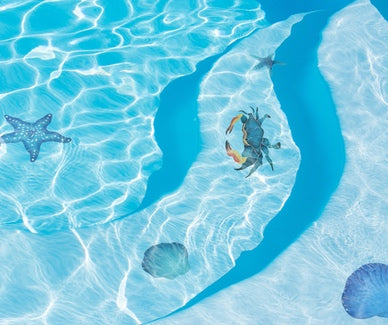
Pools and water features: Glass and porcelain only. Both are non-porous enough to withstand constant submersion, chemical exposure, and freeze-thaw cycles without cracking or delaminating. Ceramic and natural stone are never a fit here. Standard ceramic isn't rated for constant submersion and will crack or delaminate over time, and natural stone's porous surface can't hold up to chlorine and mineral exposure without breaking down. If you're planning a pool project, check every product page for pool suitability before you buy, since not every glass or porcelain line is rated for full submersion. Shop pool tile.
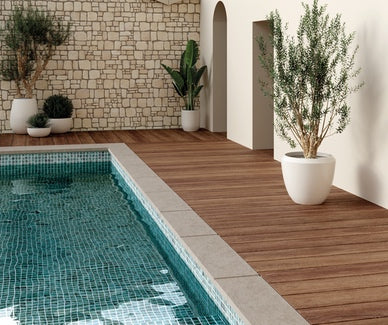
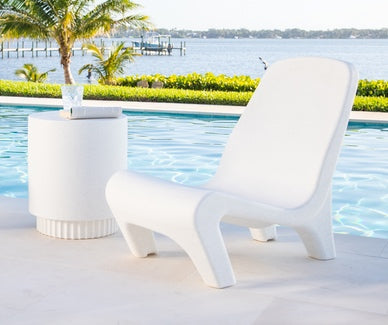
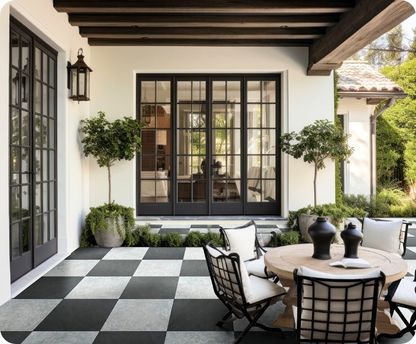
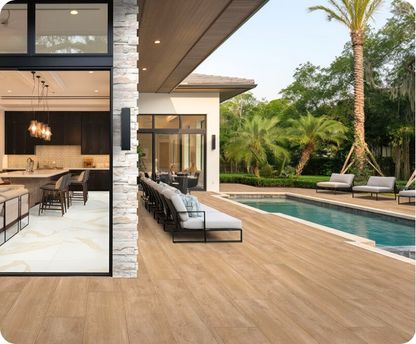
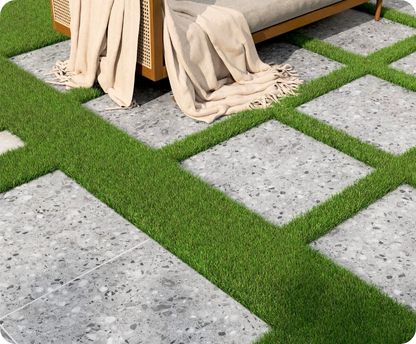
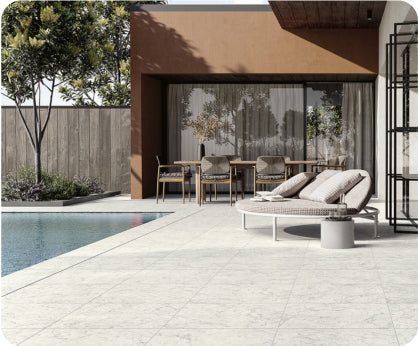
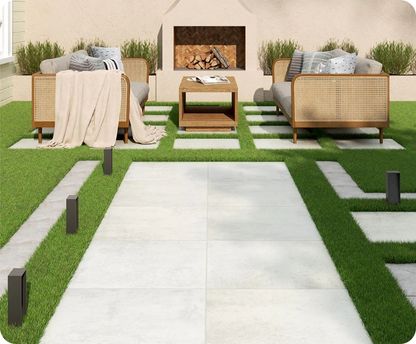
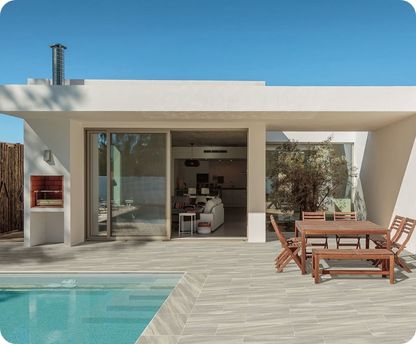
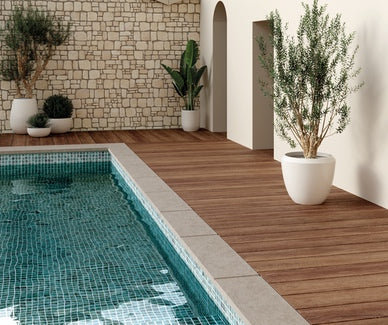
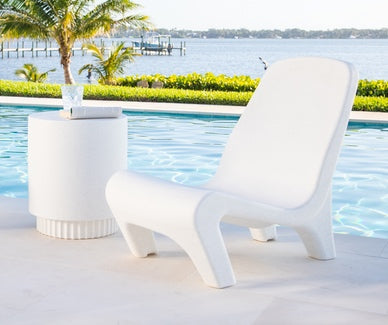
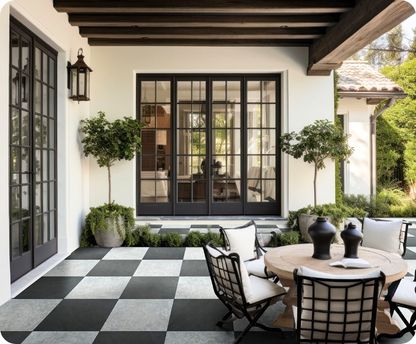
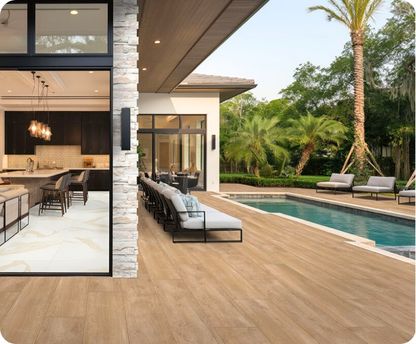
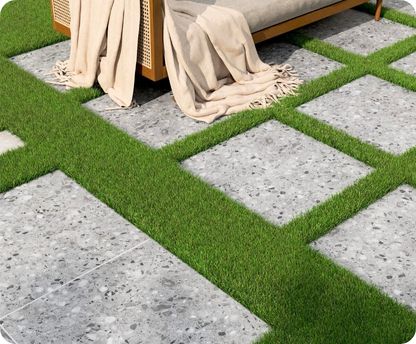
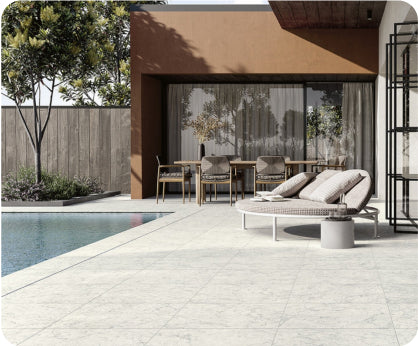
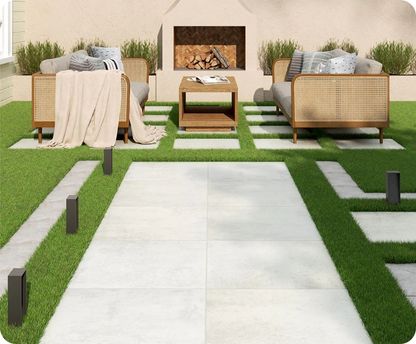
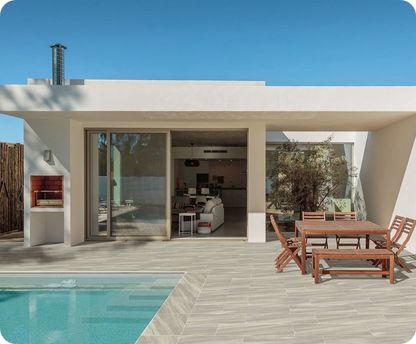
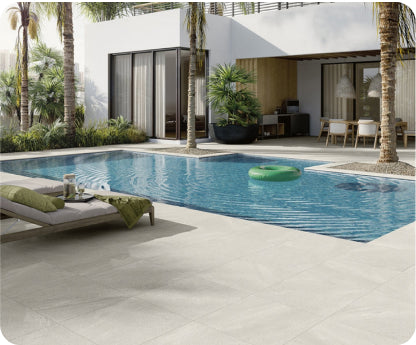
Outdoor patios and pool decks: Porcelain pavers are the standard here. They're frost-resistant, slip-resistant in the right finish, and available in stone, wood, and concrete looks that give you the outdoor aesthetic without the maintenance of the real material. Natural stone can work outdoors too, but it needs sealing to resist staining, weathering, and freeze-thaw damage over time. Always confirm a product is rated for outdoor use before installing it underfoot. Shop outdoor pavers.
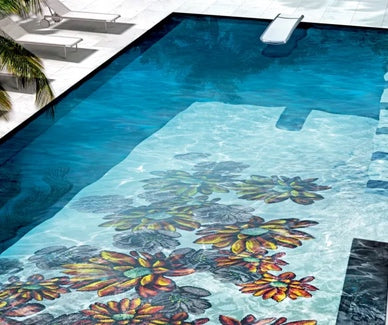
Accent walls and decorative features: This is where natural stone and glass earn their keep. A ledgerstone accent wall or a glass mosaic medallion isn't about durability, it's about the visual statement. Since these applications usually see minimal foot traffic and no standing water, the upkeep tradeoffs of stone matter less here. Shop natural stone ledger panels.
3. Weigh Maintenance Before You Commit
Maintenance is often the deciding factor once two materials look equally good on paper.
- Glass and porcelain: Wipe clean, no sealing required, hold their color indefinitely. The lowest-maintenance options across the board.
- Ceramic: Easy to clean, but its softer, more porous body means it's more prone to chipping and cracking under heavy impact or moisture exposure over time.
- Natural stone: Needs sealing at installation and resealing every one to two years depending on traffic and exposure. Skip that maintenance, and stone is prone to staining, etching, and water damage.
If low maintenance is the priority, glass and porcelain win every time. If you're drawn to the character only stone provides and you're willing to maintain it, it's worth the tradeoff in the right space.
4. Get the Scale and Finish Right
Small-format tile and mosaics wrap curves, steps, and tight spaces without awkward cuts, which is why they dominate showers, pool interiors, and accent details. Large-format tile reads more modern and minimizes grout lines, which makes it the better call for open floors, patios, and expansive backsplashes. Whatever material you choose, look for a slip-resistant or textured finish anywhere feet will touch the tile wet, including bathroom floors, shower floors, and pool decks.
Shop Tile by Material
Glass Tile - The full range of glass mosaics, from classic solids to iridescent and metallic finishes, for pools, kitchens, and bathrooms.
Porcelain Tile - Durable, low-maintenance tile in stone, wood, and concrete looks for floors, walls, and outdoor spaces.
Natural Stone Tile - Quarried marble, travertine, and ledgerstone for accent walls and statement floors.
Ceramic Tile - Budget-friendly color and pattern for backsplashes and low-traffic walls.
FAQs About Choosing Tile Material
Can I use ceramic or natural stone tile in a pool? No. We never recommend ceramic or natural stone for pool applications. Ceramic isn't rated for constant submersion and will crack or delaminate over time, and natural stone's porous surface breaks down under constant chlorine and mineral exposure. Stick to glass or porcelain labeled for pool use.
Is porcelain always better than ceramic? Not always, it depends on the application. Porcelain is denser and better suited to floors, wet areas, and outdoor use. Ceramic is a smart, budget-friendly choice for vertical, low-traffic spaces like a kitchen backsplash where its lower durability isn't a factor.
Does natural stone tile work outdoors? Yes, with the right sealing and maintenance plan. Always check the specific product page to confirm it's rated for outdoor and freeze-thaw exposure before you buy, since not every stone tile is suited for it.
How do I know how much tile I need? Measure the total square footage of the area you're tiling and add 10 to 15 percent for cuts and waste, more if the space has a lot of curves or steps. Our tile product pages include a calculator to help you estimate based on your square footage.
Why Customers Choose AquaBlu
At AquaBlu Mosaics, we believe great design shouldn't be a hassle. That's why we offer:
- A wide range of premium tile in glass, porcelain, ceramic, and natural stone
- Free shipping on orders over $299
- USA-based customer service that actually answers the phone
Whatever room you're bringing paradise home to, we're here to help you choose the material that will actually hold up to it.
