






























































The Art Of Using Mosaic Glass Tile Without Overdoing It


Mosaic glass tile has long been admired for its vibrant colors, reflective surfaces, and ability to add visual depth to interior spaces. From kitchens to bathrooms, this versatile material can create stunning design moments when used thoughtfully. However, because mosaic glass tile is naturally eye catching, the key to success lies in balance. When used with intention and restraint, mosaic glass tile can elevate a room without making the space feel overwhelming or overly decorative.
Understanding how to integrate mosaic glass tile in a subtle and strategic way allows homeowners and designers to highlight its beauty while maintaining a refined and cohesive interior design.
Why Mosaic Glass Tile Is So Popular
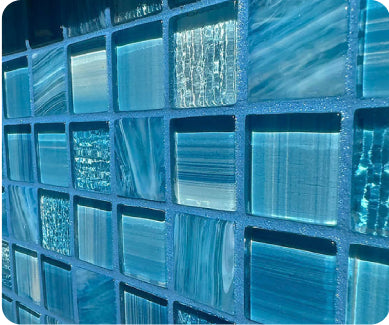
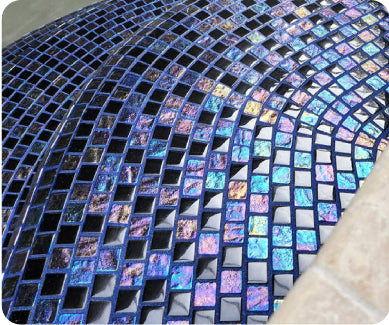
One reason mosaic glass tile remains a favorite among designers is its ability to reflect light. The glossy surface of glass interacts beautifully with both natural and artificial lighting, helping spaces feel brighter and more dynamic. In kitchens and bathrooms, where light often plays an important role in the overall atmosphere, mosaic glass tile can introduce a gentle shimmer that enhances the room.
Another advantage of mosaic glass tile is its versatility. Available in a wide range of colors, shapes, and finishes, it can complement modern, traditional, and transitional interiors. Whether used as a backsplash, accent strip, or shower feature, mosaic glass tile offers creative possibilities that few other materials can match.
At the same time, thoughtful design choices are necessary to keep mosaic glass tile from dominating the space.
Use Mosaic Glass Tile As An Accent Feature
One of the most effective ways to avoid an overdone appearance is to use mosaic glass tile as an accent rather than covering every surface. Accent areas allow the tile to shine without overwhelming the room.
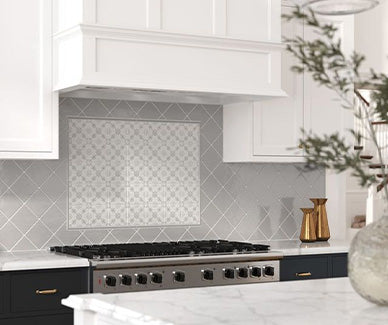
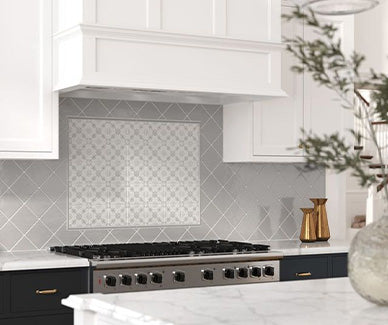
In a kitchen, mosaic glass tile works beautifully as a backsplash behind the stove or sink. The reflective surface catches light and adds texture while the surrounding cabinetry and countertops provide balance. A narrow horizontal band of mosaic glass tile can also introduce subtle color without competing with the rest of the design.
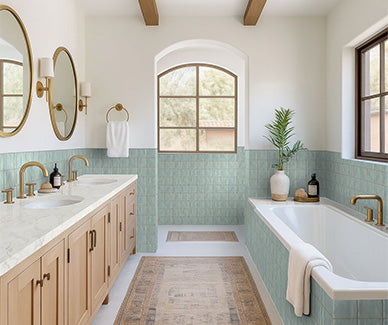
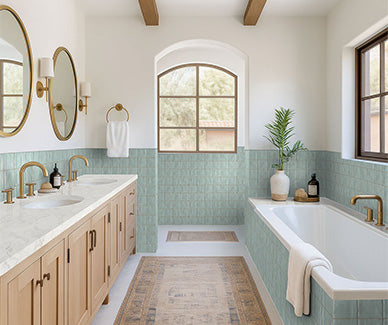
Bathrooms are another ideal space for accent installations. A vertical strip of mosaic glass tile inside a shower wall creates visual interest while maintaining a clean and calming aesthetic.
Choose A Controlled Color Palette
Color selection plays a significant role in how mosaic glass tile affects a room. Bold colors can be striking, but using too many vibrant tones at once can make a space feel chaotic.
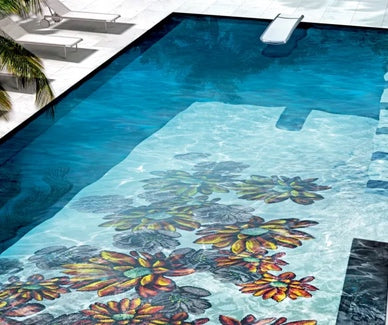
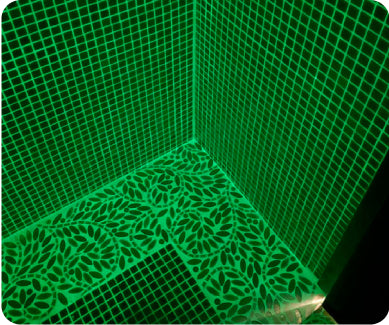
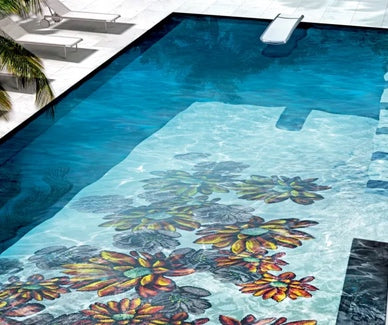
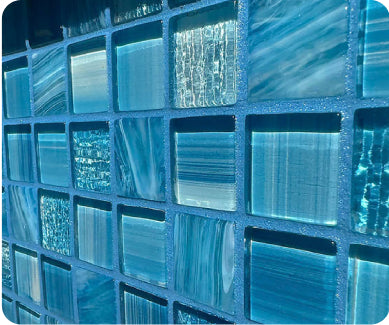
To keep the look elegant, designers often choose mosaic glass tile that fits within a limited color palette. Soft blues, gentle greens, and neutral tones tend to create a calming environment that works well in both kitchens and bathrooms. If you prefer brighter hues, consider using them in small amounts so the mosaic glass tile remains a highlight rather than the main visual focus.
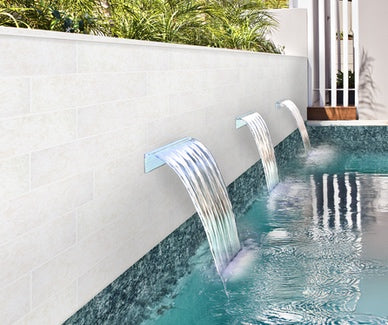
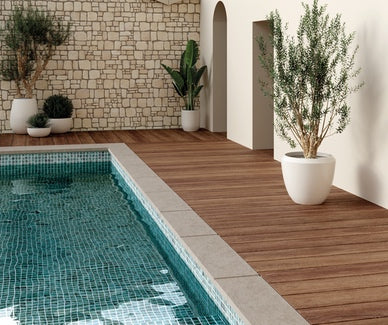
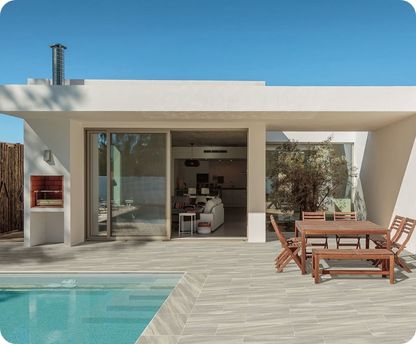
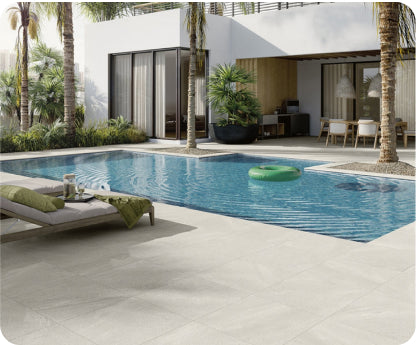
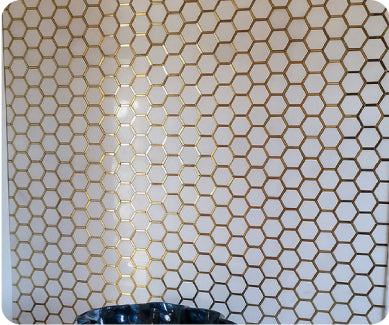
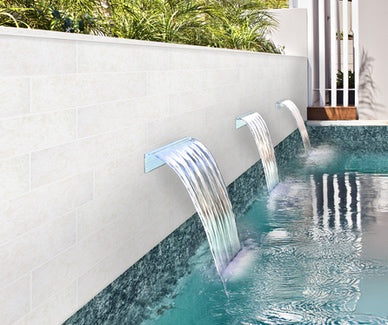
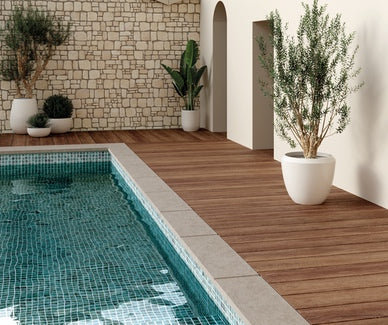
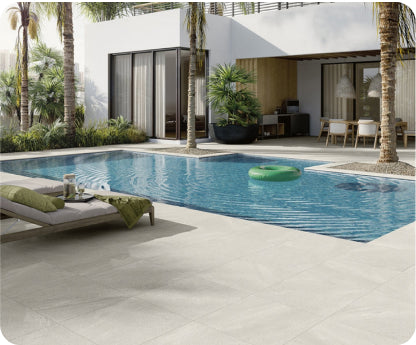
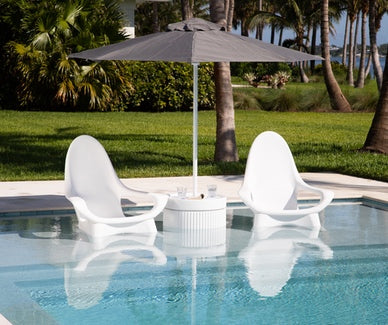
Pairing colorful mosaic glass tiles with neutral white pool tile finishes also helps maintain balance.
Mix Mosaic Glass Tile With Larger Tile Formats
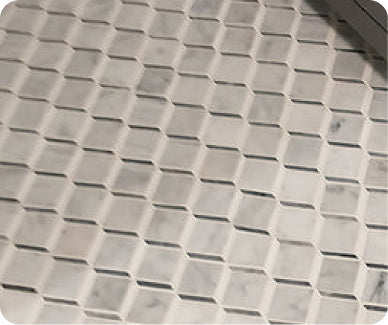
Another effective design technique is to combine mosaic glass tile with larger tiles. Large format tiles create a sense of openness and simplicity, while mosaic glass tile introduces texture and detail.
For example, a bathroom shower can feature large porcelain wall tiles with a thin band of mosaic glass tile running horizontally through the center. This approach allows the glass tile to stand out while the larger tiles maintain visual calm.
In kitchens, pairing mosaic glass tile backsplashes with wide countertop surfaces and simple cabinet designs ensures that the tile enhances the space rather than competing with other elements.
Consider Lighting And Placement
Lighting dramatically influences how mosaic glass tile appears in a room. Because the material reflects light so effectively, even small installations can produce significant visual impact.
Under cabinet lighting in kitchens is a great example. When light shines across a mosaic glass tile backsplash, the subtle reflections create a dynamic yet sophisticated effect. In bathrooms, soft overhead lighting can highlight the texture and color variations within mosaic glass tile without making the space feel busy.
Strategic placement allows the tile to work with lighting conditions rather than overpower them.
Balance Texture With Simplicity
While mosaic glass tile adds texture and detail, the rest of the room should provide a sense of simplicity. Clean lines, uncluttered surfaces, and minimal accessories help keep the space visually balanced.
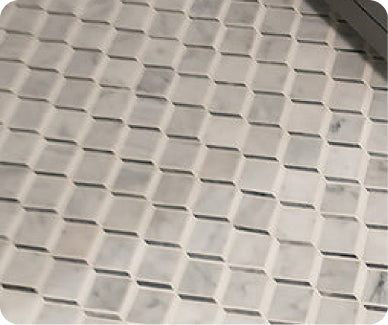
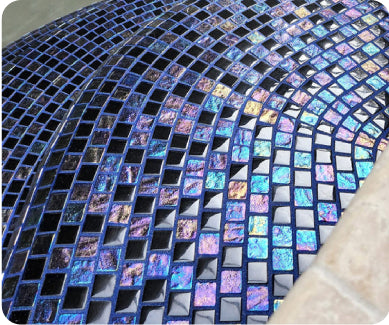
If the mosaic glass tile features a glossy or iridescent finish, consider pairing it with matte surfaces elsewhere in the room. This contrast creates harmony while allowing the tile to remain the focal point.
By balancing texture and simplicity, mosaic glass tile becomes a sophisticated design feature instead of an overwhelming element.
Creating A Timeless Interior With Mosaic Glass Tile
When used thoughtfully, mosaic glass tile offers an elegant way to add color, light, and artistic detail to indoor spaces. Its reflective qualities, durability, and design flexibility make it ideal for kitchens, bathrooms, and other interior areas where both beauty and practicality matter.
The key to success is restraint. Accent placement, coordinated color palettes, and careful lighting allow mosaic glass tile to enhance a room without overpowering it. With the right approach, this timeless material can transform everyday spaces into refined and visually engaging environments.
FAQ
Where is mosaic glass tile commonly used indoors?
Mosaic glass tile is often used for kitchen backsplashes, shower walls, bathroom accents, and decorative wall features.
Is mosaic glass tile suitable for kitchens?
Yes. Mosaic glass tile works well in kitchens because it is easy to clean and resistant to moisture, making it ideal for backsplashes.
Can mosaic glass tile be used in small spaces?
Absolutely. Mosaic glass tile can actually make small spaces feel brighter because its reflective surface helps bounce light around the room.
How do you prevent mosaic glass tile from looking too busy?
Using mosaic glass tile as an accent and limiting the color palette can keep the design balanced and elegant.
Does mosaic glass tile require special maintenance?
Mosaic glass tile is relatively low maintenance. Regular cleaning with mild solutions helps maintain its shine and appearance.
