
































































Sizing Up Kitchen Floors (Large vs Small Tile And What Works Best)


Choosing the right kitchen tile for your floor is about more than color and material. Size plays a major role in how the kitchen looks, feels, and functions. Whether you prefer large tile or small tile, each option creates a very different visual effect and design experience.
Some homeowners love the clean and spacious appearance of large tile, while others prefer the texture and detail that small tile can provide. Understanding the pros and cons of each style can help you choose the best kitchen tile for your space and design goals.
Featured Kitchen Floor Tiles
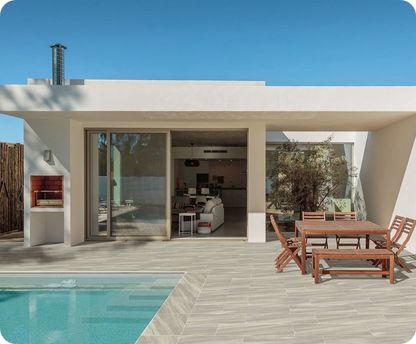
Aria Bianco 24 x 48 Porcelain Tile

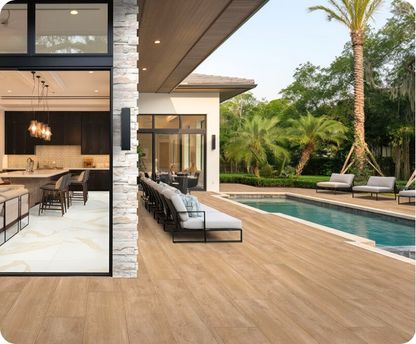
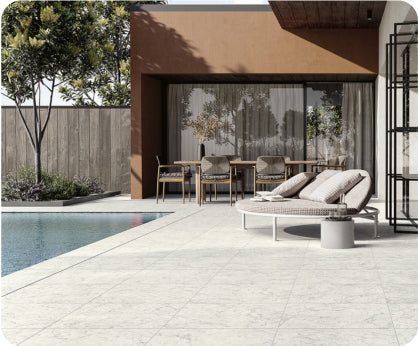
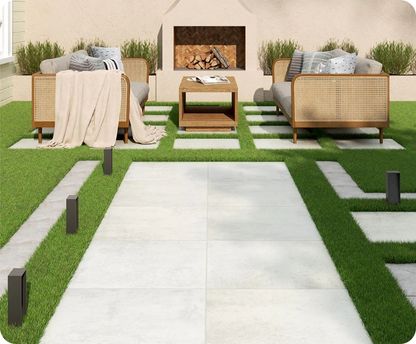
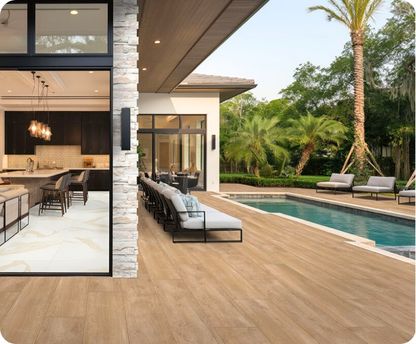
The Aria Bianco 24 x 48 Porcelain Tile offers a sleek and sophisticated approach to modern kitchen tile design. Its large tile format creates a seamless and expansive appearance that helps kitchens feel open, clean, and contemporary. The soft white tones and subtle movement within the surface bring elegance without overwhelming the space, making this kitchen tile ideal for minimalist and luxury interiors alike.
Because of its oversized dimensions, this large tile reduces visual interruptions and grout lines, giving floors a smooth and polished look. It pairs beautifully with modern cabinetry, natural stone countertops, and warm wood accents. The Aria Bianco collection is perfect for homeowners who want a kitchen tile that feels bright, timeless, and architecturally refined.
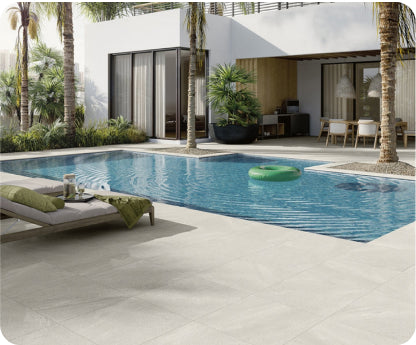
Aria Ice 12 x 24 Porcelain Tile

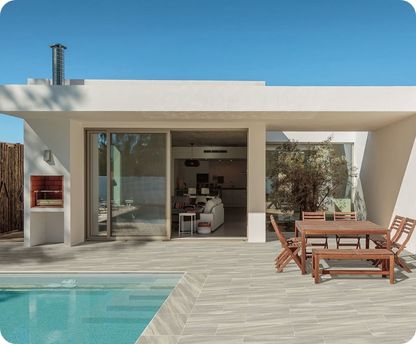
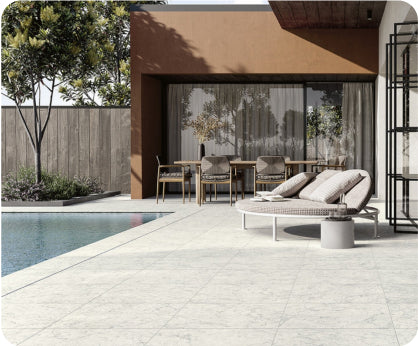
The Aria Ice 12 x 24 Porcelain Tile delivers a balanced combination of modern simplicity and versatile style. Its cool and refreshing tone creates a clean aesthetic that works beautifully in a variety of kitchen designs. As a medium format kitchen tile, it offers the perfect middle ground between large tile and small tile, making it adaptable to both spacious and compact kitchens.
The rectangular shape allows for creative installation patterns that can subtly influence the visual flow of the room. Whether installed in a stacked layout or a more classic arrangement, this kitchen tile adds a sense of structure and refinement. The soft icy coloration also helps brighten the space while maintaining a calm and understated atmosphere.
Aria Bianco 12 x 24 Porcelain Tile

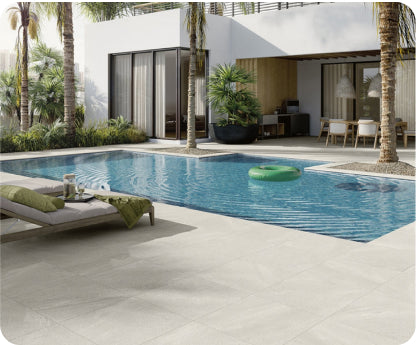
The Aria Bianco 12 x 24 Porcelain Tile brings timeless elegance and versatility to modern kitchen tile design. Featuring soft white tones and a refined surface appearance, this tile creates a bright and welcoming atmosphere that complements a wide range of interior styles.
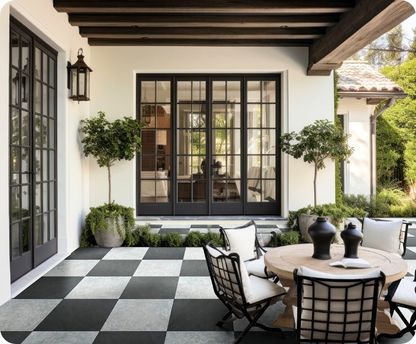
Its 12 x 24 format provides a clean and balanced look that works beautifully in both contemporary and transitional kitchens. This kitchen tile can make floors feel more spacious while still offering enough detail to create visual interest. The neutral palette allows it to pair effortlessly with bold cabinetry, metallic finishes, or natural materials for a cohesive and polished design.
For homeowners seeking a kitchen tile that feels classic yet current, the Aria Bianco 12 x 24 Porcelain Tile offers a sophisticated and highly versatile option.
Why Tile Size Matters In Kitchen Design
Tile size affects the overall perception of the kitchen. The scale of the kitchen tile changes how spacious the room feels, how patterns are viewed, and how the floor interacts with cabinetry and lighting.
Large tile often creates a more seamless and modern appearance, while small tile introduces more texture and visual rhythm. Neither option is universally better. The right choice depends on the style of the kitchen and the atmosphere you want to create.
Because kitchen tile covers such a large surface area, the size decision has a major impact on the final design.
The Visual Appeal Of Large Tile
Large tile has become increasingly popular in modern kitchens because of its sleek and expansive appearance. Fewer grout lines create a smoother visual flow across the floor, helping the kitchen feel open and uncluttered.
This style of kitchen tile works especially well in contemporary spaces where clean lines and simplicity are priorities. Large tile can also make a smaller kitchen appear more spacious because the uninterrupted surface creates a sense of continuity.
Another advantage of large tile is its ability to highlight natural patterns and textures. Stone-inspired and marble-look kitchen tile designs often appear more dramatic in larger formats.
The Pros Of Large Tile
One of the biggest benefits of large tile is the seamless appearance it creates. With fewer grout lines, the floor feels more unified and visually calm.
Large tile also contributes to a more luxurious and modern aesthetic. Many upscale kitchens use oversized kitchen tile to create a polished and sophisticated atmosphere.
Another advantage is that large tile can visually expand a room. The larger scale reduces visual fragmentation, helping kitchens feel more open and airy.
Large tile is also versatile in terms of design. It pairs beautifully with minimalist cabinetry, modern lighting, and open floor plans.
The Cons Of Large Tile
Despite its many advantages, large tile also has some drawbacks. In smaller or unusually shaped kitchens, large tile may require more cuts, which can disrupt the clean look.
The oversized scale can also feel overwhelming in compact spaces if not balanced properly with the rest of the design.
Another consideration is that large tile tends to emphasize floor flatness. Any unevenness beneath the kitchen tile may become more noticeable during installation.
Design-wise, large tile creates a more minimal appearance, which may not suit homeowners who prefer intricate detail or texture.
The Charm Of Small Tile
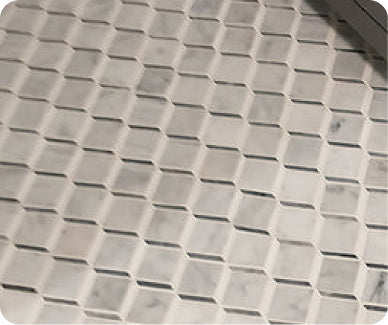
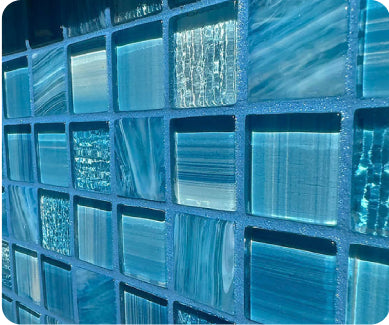
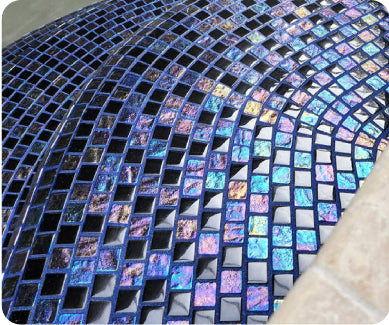
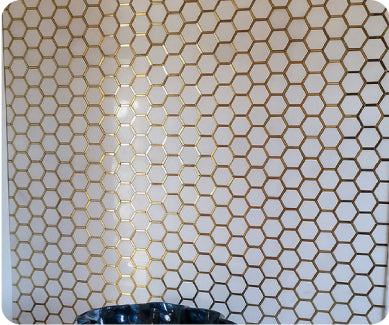
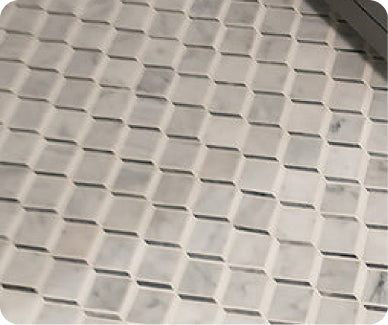
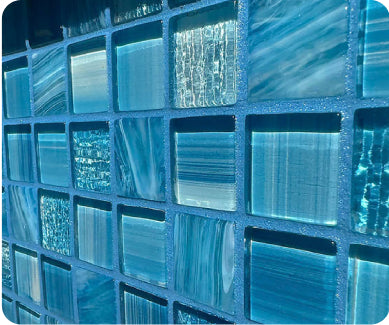
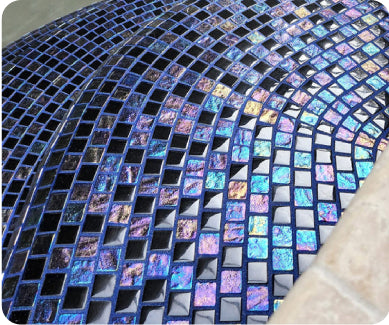
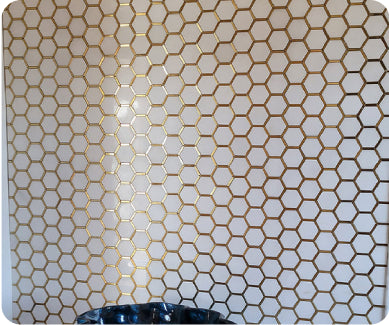
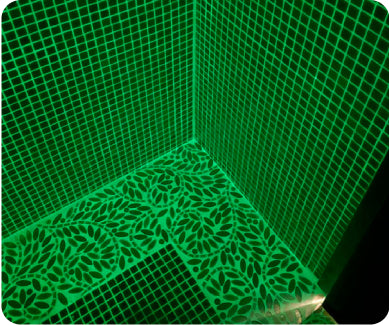
Small tile offers a completely different aesthetic. Instead of creating broad, uninterrupted surfaces, small tile introduces pattern, movement, and visual complexity.
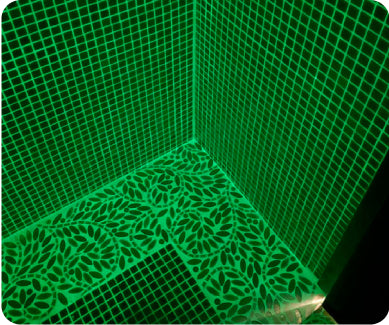
This type of kitchen tile works beautifully in spaces that aim for warmth, charm, or artistic detail. Mosaic floors, geometric layouts, and decorative patterns are all easier to achieve with small tile.
Because small tile contains more individual pieces, it naturally creates a textured and layered appearance that adds personality to the kitchen.
The Pros Of Small Tile
One of the biggest strengths of small tile is its design flexibility. It allows for intricate layouts, detailed patterns, and creative combinations that large tile cannot easily achieve.
Small tile also adds texture and depth to the kitchen floor. This can make the space feel more dynamic and visually engaging.
Another advantage is that small tile works well in kitchens with unique layouts or curves because the smaller pieces adapt more easily to irregular spaces.
From a design perspective, small tile often creates a cozy and inviting atmosphere that feels rich in character.
The Cons Of Small Tile
The main drawback of small tile is the increased number of grout lines. While this adds texture, it can also make the floor appear busier visually.
In some kitchens, too much pattern or detail can make the space feel smaller or more crowded. This is especially true if the kitchen already contains bold cabinetry or decorative surfaces.
Small tile also creates a more traditional or decorative appearance, which may not align with ultra-modern design styles.
Because of the visual activity created by small tile, it is important to balance the rest of the kitchen design carefully.
Choosing The Right Kitchen Tile For Your Space
The decision between large tile and small tile depends largely on the overall design vision for the kitchen.
If you want a clean, open, and modern look, large tile is often the better option. It creates simplicity and visual flow that suits contemporary spaces beautifully.
If you prefer detail, texture, and artistic personality, small tile may be a better fit. It adds movement and richness that can make the kitchen feel more customized and expressive.
The size of the kitchen also matters. Large tile often works best in open layouts, while small tile can bring charm and detail to compact spaces.
Mixing Large And Small Tile In The Same Kitchen
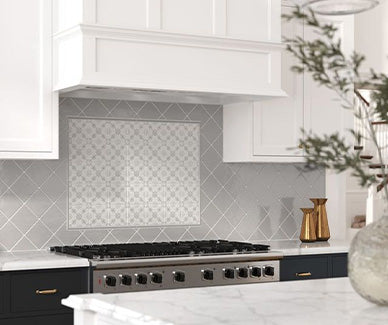
Many modern kitchens successfully combine large tile and small tile for added dimension. Large tile may be used on the main floor, while small tile appears in backsplashes or accent areas.
This layered approach creates contrast and visual interest without overwhelming the space. It also allows homeowners to enjoy the strengths of both kitchen tile styles.
The key is to maintain consistency in color or material so the different tile sizes feel cohesive.
Trends In Modern Kitchen Tile Sizing
Current kitchen tile trends show strong interest in oversized formats, but small tile remains highly popular for decorative and vintage-inspired kitchens.
Large tile continues to dominate modern and minimalist spaces, while small tile thrives in kitchens focused on craftsmanship and texture.
Ultimately, both styles remain timeless because they offer different design experiences rather than competing trends.
FAQ
Is Large Tile Better For Small Kitchens?
Large tile can make a small kitchen feel more open because it creates fewer visual interruptions.
Does Small Tile Make A Kitchen Feel Busy?
It can if overused, but thoughtful patterns and balanced colors help small tile feel stylish rather than overwhelming.
Which Kitchen Tile Style Feels More Modern?
Large tile is generally associated with modern and minimalist design styles.
Can I Combine Large Tile And Small Tile?
Yes, many kitchens use large tile on floors and small tile in accent areas for contrast and texture.
What Is The Biggest Difference Between Large Tile And Small Tile?
Large tile creates a seamless and spacious appearance, while small tile emphasizes detail, texture, and visual rhythm.
