






























































Shower Tile Showdown: Glass vs. Ceramic vs. Porcelain Explained


Designing a shower is one of the most exciting parts of creating a beautiful bathroom, but choosing the right material can make all the difference in both appearance and performance. When comparing glass tile, ceramic tile, and porcelain tile, each option brings unique strengths to the table. Understanding how glass tile, ceramic tile, and porcelain tile perform in a shower environment will help you make a confident and informed decision.
What Makes A Great Shower Tile
Before diving into each material, it is important to understand what makes a tile suitable for a shower. A great shower tile should resist moisture, handle temperature changes, and remain easy to clean over time. Both style and function matter, which is why glass tile, ceramic tile, and porcelain tile are among the most popular choices for modern showers.
Each of these materials meets these requirements in different ways, offering homeowners flexibility in both design and durability.
The Beauty And Performance Of Glass Tile
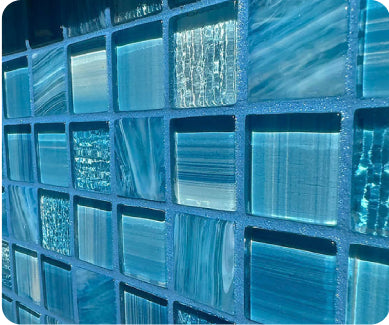
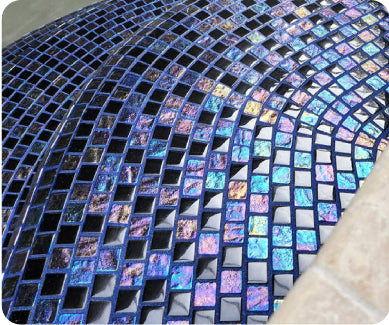
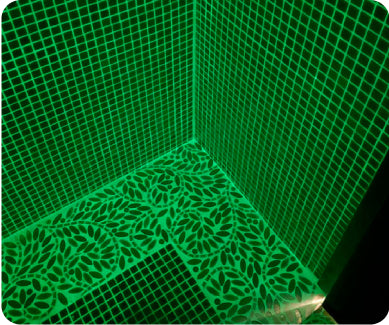
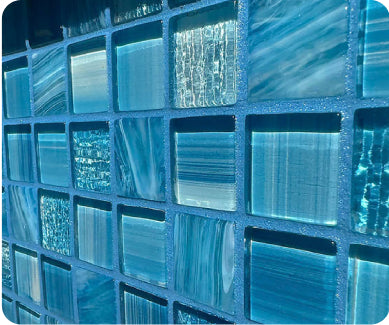
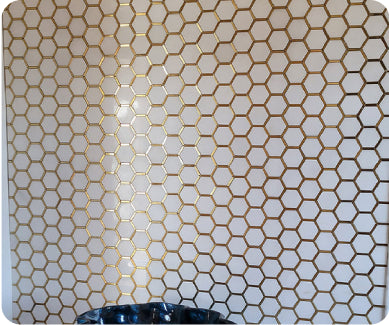
Glass tile is known for its sleek, reflective surface and vibrant color options. In a shower, glass tile creates a bright and open feel by reflecting both natural and artificial light. This makes glass tile especially appealing for smaller bathrooms where maximizing light is important.
One of the biggest advantages of glass tile is its non porous nature. Glass tile does not absorb water, which makes it highly resistant to stains, mold, and mildew. This quality makes glass tile a strong choice for shower walls and decorative accents.
However, glass tile is typically better suited for vertical applications. While it is durable, it can be more prone to visible chips if used in high impact areas. Still, glass tile remains a favorite for homeowners who want a clean, modern, and eye catching shower design.
The Versatility Of Ceramic Tile
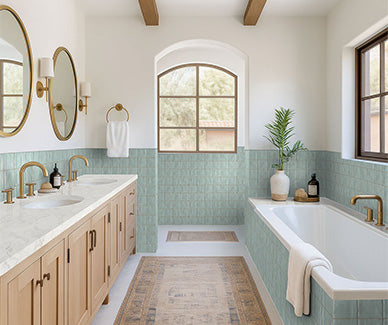
Ceramic tile is a classic choice for showers due to its affordability and wide range of styles. Available in countless colors, shapes, and finishes, ceramic tile can easily match any design vision.
In a shower setting, ceramic tile performs well when properly installed and sealed. The glazed surface helps protect against moisture, making ceramic tile a reliable option for walls and lighter use areas.
Ceramic tile is also easier to cut and install compared to denser materials, which can help reduce installation complexity. While ceramic tile is slightly more porous than porcelain tile, it still provides solid performance for most residential showers.
For homeowners looking for a balance between cost and design flexibility, ceramic tile remains a dependable choice.
The Durability Of Porcelain Tile
Porcelain tile is often considered the premium option for showers due to its strength and low water absorption rate. Made from refined clay and fired at higher temperatures, porcelain tile is denser and more durable than ceramic tile.
This density makes porcelain tile highly resistant to moisture, which is critical in a shower environment. Porcelain tile can handle constant exposure to water without absorbing it, reducing the risk of long term damage.
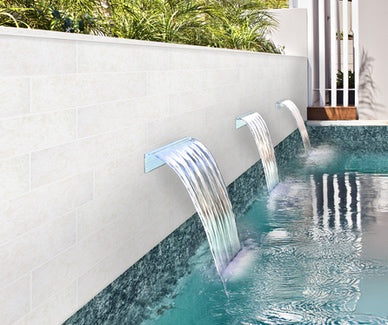
Another benefit of porcelain tile is its versatility in design. It can mimic natural stone, wood, or even concrete, allowing homeowners to achieve high end looks with minimal maintenance. Because of its durability, porcelain tile is suitable for both shower walls and floors.
Porcelain tile is often the go to choice for those who want a long lasting and low maintenance shower solution.
Comparing Maintenance And Cleaning
Maintenance is a key factor when choosing between glass tile, ceramic tile, and porcelain tile. Glass tile is very easy to clean due to its smooth surface, which resists soap scum and buildup. A quick wipe can keep glass tile looking polished and new.
Ceramic tile also offers straightforward maintenance, especially when paired with properly sealed grout. Regular cleaning will keep ceramic tile in great condition for years.
Porcelain tile is one of the easiest materials to maintain. Its low porosity means it resists stains and moisture, making it ideal for busy households. When comparing glass tile, ceramic tile, and porcelain tile, porcelain tile often stands out for its low maintenance requirements.
Style And Design Considerations
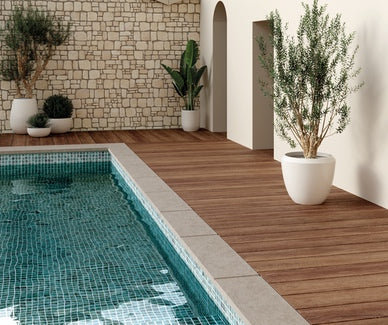
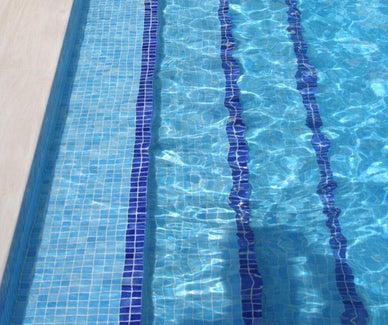
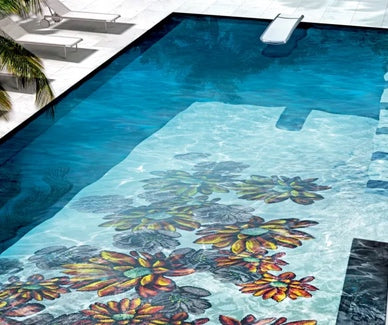
From a design perspective, glass tile, ceramic tile, and porcelain tile each offer unique visual benefits. Glass tile adds brightness and depth, making it perfect for accent walls or decorative features within a shower.
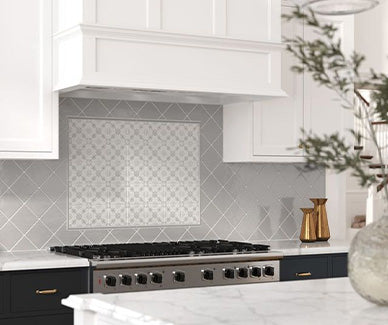
Ceramic tile provides unmatched variety, allowing homeowners to experiment with patterns, colors, and layouts. Whether you prefer a classic subway tile or a bold geometric design, ceramic tile can deliver.
Porcelain tile offers a more refined and realistic look, especially when replicating natural materials. It can create a spa like atmosphere with minimal upkeep, making it a popular choice for modern bathrooms.
Choosing The Best Tile For Your Shower
Selecting between glass tile, ceramic tile, and porcelain tile depends on your priorities. If you want a striking visual element, glass tile is an excellent option. If you value versatility and affordability, ceramic tile is a reliable choice. If durability and water resistance are your top concerns, porcelain tile is hard to beat.
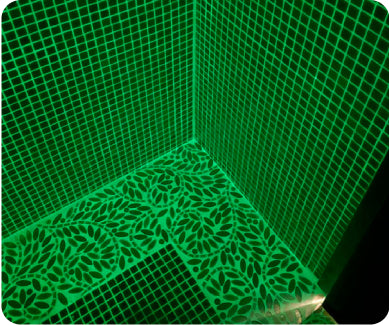
Many homeowners even combine glass tile, ceramic tile, and porcelain tile within the same shower to achieve a balanced design. For example, porcelain tile may be used on the floor, ceramic tile on the walls, and glass tile as an accent.
This layered approach allows you to take advantage of the strengths of each material.
FAQ
Is glass tile good for shower walls?
Yes, glass tile is ideal for shower walls because it resists water and adds a bright, reflective finish to the space.
Can ceramic tile be used in a shower?
Yes, ceramic tile is commonly used in showers and performs well when properly installed and sealed.
Why is porcelain tile popular for showers?
Porcelain tile is popular because it is dense, durable, and highly resistant to water, making it perfect for wet environments.
Which tile is best for shower floors?
Porcelain tile is often the best choice for shower floors due to its strength and low water absorption.
Can you mix glass tile, ceramic tile, and porcelain tile in one shower?
Yes, combining glass tile, ceramic tile, and porcelain tile can create a dynamic and functional design that uses the strengths of each material.
