
































































Porcelain vs. Natural Stone Kitchen Tile: What Homeowners Need to Know


Choosing the right kitchen tile is one of the most important decisions you can make when designing or remodeling your space. The debate around porcelain vs stone continues to be a common topic among homeowners because both materials offer distinct advantages. Understanding the differences between porcelain vs stone will help you select the best kitchen tile for your lifestyle, design preferences, and long term goals.
Understanding Porcelain Kitchen Tile
Porcelain kitchen tile is made from refined clay that is fired at extremely high temperatures. This process creates a dense and durable material that performs exceptionally well in high traffic areas like kitchens.
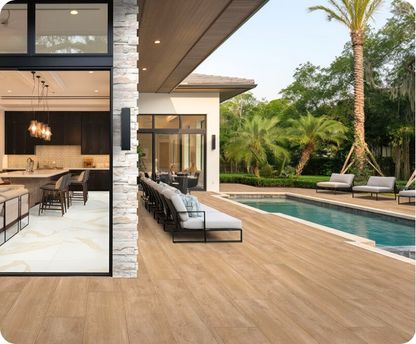
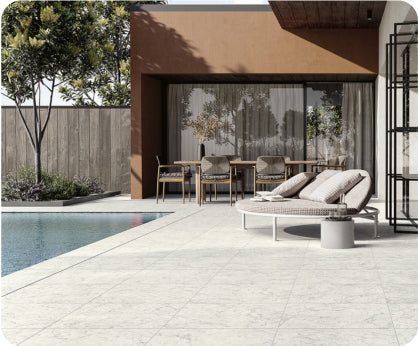
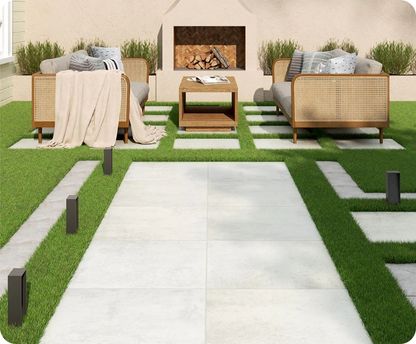
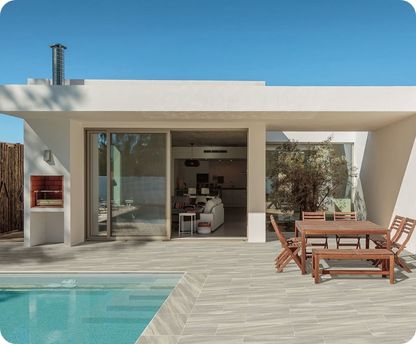
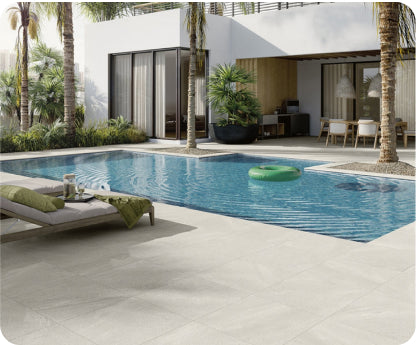
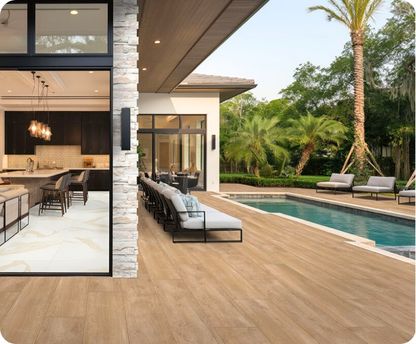
One of the biggest advantages in the porcelain vs stone conversation is porcelain’s low porosity. Porcelain kitchen tile resists moisture, stains, and spills, making it ideal for busy households. It is also available in a wide variety of designs, including styles that mimic natural stone, wood, or concrete.
For homeowners who want a reliable and low maintenance kitchen tile, porcelain often stands out as a top choice.
Understanding Natural Stone Kitchen Tile
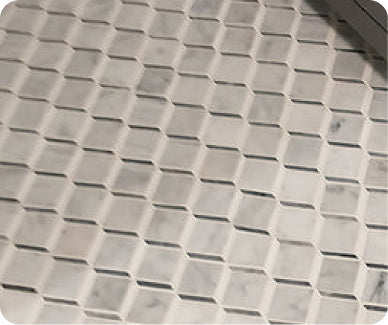
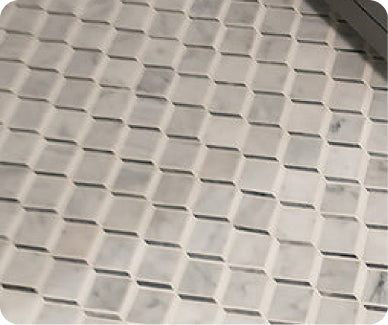
Natural stone kitchen tile includes materials such as marble, granite, travertine, and slate. Each piece is unique, offering natural variations in color, texture, and pattern that cannot be replicated.
In the porcelain vs stone comparison, natural stone is often chosen for its authenticity and organic beauty. It adds warmth and character to a kitchen, creating a high end and timeless look.
However, natural stone kitchen tile is more porous than porcelain. This means it requires sealing and ongoing maintenance to protect against stains and moisture. Despite this, many homeowners appreciate the unique charm that natural stone brings to a kitchen.
Durability And Performance Differences
Durability is a key factor when evaluating porcelain vs stone. Porcelain kitchen tile is highly resistant to wear, scratches, and moisture, making it an excellent option for areas that see frequent use.
Natural stone kitchen tile is durable as well, but its performance can vary depending on the type of stone. Some stones are more prone to scratching or staining, especially if they are not properly sealed.
When comparing porcelain vs stone for durability, porcelain kitchen tile generally offers a more consistent and worry free performance.
Maintenance And Care Requirements
Maintenance is another important consideration in the porcelain vs stone decision. Porcelain kitchen tile is known for its ease of care. It does not require sealing and can be cleaned with basic household products.
Natural stone kitchen tile requires more attention. Regular sealing is necessary to protect the surface from stains and moisture. Cleaning products must also be chosen carefully to avoid damaging the stone.
For homeowners who prefer a low maintenance solution, porcelain kitchen tile often has the advantage in the porcelain vs stone comparison.
Style And Design Flexibility
Both materials offer strong design potential, but in different ways. Porcelain kitchen tile provides versatility with a wide range of colors, patterns, and finishes. It can replicate the look of natural materials while offering modern performance benefits.
Natural stone kitchen tile delivers unmatched authenticity. Each piece is unique, creating a one of a kind look that adds character and depth to the space.
When considering porcelain vs stone from a design perspective, the choice often comes down to whether you value consistency or natural variation in your kitchen tile.
Cost Considerations
Cost can play a significant role in the porcelain vs stone decision. Porcelain kitchen tile is generally more affordable and offers a wide range of price points to fit different budgets.
Natural stone kitchen tile tends to be more expensive, both in terms of material and installation. The need for sealing and maintenance can also add to the overall cost over time.
For budget conscious homeowners, porcelain kitchen tile often provides a more accessible option in the porcelain vs stone comparison.
Best Applications In The Kitchen
Porcelain kitchen tile is suitable for floors, backsplashes, and even countertops due to its durability and resistance to moisture. It performs well in high traffic areas and is ideal for busy kitchens.
Natural stone kitchen tile is often used for floors and backsplashes where its unique appearance can shine. It is best suited for homeowners who are willing to invest in maintenance to preserve its beauty.
Understanding how each material performs in different areas can help you make the right choice in the porcelain vs stone debate.
Making The Right Choice For Your Home
The decision between porcelain vs stone ultimately depends on your priorities. If you want a durable, low maintenance, and versatile kitchen tile, porcelain is a strong option. If you value natural beauty and are willing to maintain it, natural stone may be the better fit.
Both materials can create stunning kitchen designs when used thoughtfully. By weighing the pros and cons of porcelain vs stone, you can choose a kitchen tile that aligns with your needs and enhances your space.
FAQ
What is the main difference between porcelain vs stone?
Porcelain is manufactured and highly durable with low maintenance, while natural stone is a natural material that offers unique beauty but requires more care.
Which is better for kitchen tile, porcelain or stone?
Porcelain kitchen tile is often better for durability and ease of maintenance, while stone is preferred for its natural appearance.
Does natural stone kitchen tile need sealing?
Yes, natural stone kitchen tile typically requires sealing to protect against stains and moisture.
Is porcelain kitchen tile waterproof?
Porcelain kitchen tile is highly water resistant, making it ideal for kitchens.
Is porcelain vs stone more cost effective?
Porcelain is generally more cost effective due to lower material and maintenance costs.
