




























































Porcelain vs Ceramic Tile (Which Is Better?)

Choosing the right tile for your home—especially when navigating porcelain vs ceramic tile—can feel overwhelming. Both materials serve beautiful purposes in kitchens, bathrooms, pools, and more. But understanding the key differences between them empowers you to make the best choice for your space.
In this guide, we’ll break down the advantages, performance qualities, and ideal use cases of porcelain and ceramic tiles. You’ll also see real product examples to bring these differences to life.
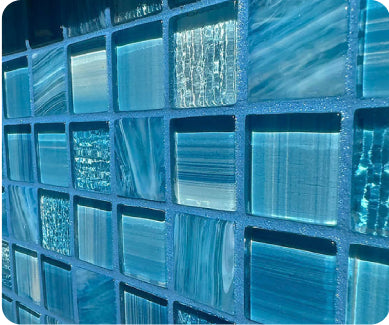
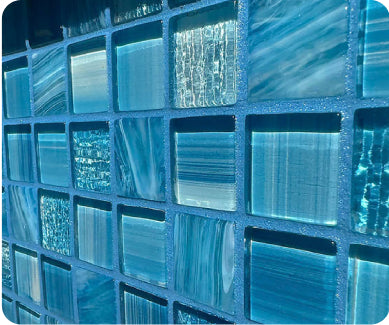
Cobalt Blue 1×1 Porcelain Pool Tile

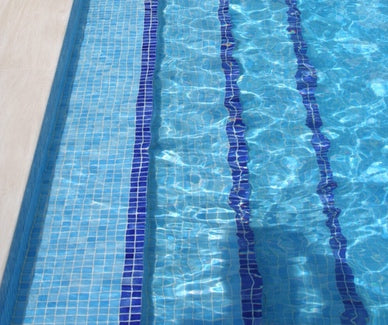
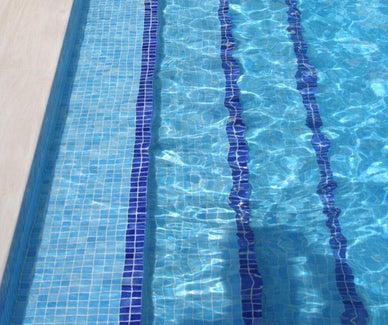
The Cobalt Blue 1×1 porcelain pool tile is a striking option for spaces that demand both beauty and performance. As part of the Harmony Mosaics Series, this deep blue tile features a glossy finish that reflects light beautifully, creating an eye-catching effect in water or on accent walls. Although small in scale, the vibrant shade and porcelain construction make it ideal for pool interiors, spa walls, or even kitchen and bathroom backsplashes.
Because it’s porcelain, this tile is well-suited to moisture-prone environments. Its dense composition provides excellent resistance to water absorption and fading, qualities that are essential when selecting tile for both indoor and outdoor applications. While its typical setting is in a swimming pool or water feature, the rich blue hue also adds depth and personality in a bathroom or kitchen splash zone.
Installation is similar to other porcelain tile mosaics: ensure that the substrate is clean and level, use a quality thin-set adhesive that’s rated for wet environments, and grout appropriately to enhance durability. The small format allows creative layouts like borders, accents, or full mosaic installations. When designing with Cobalt Blue porcelain pool tile, pairing it with neutral surroundings or metallic accents can make the color truly pop and elevate your design.
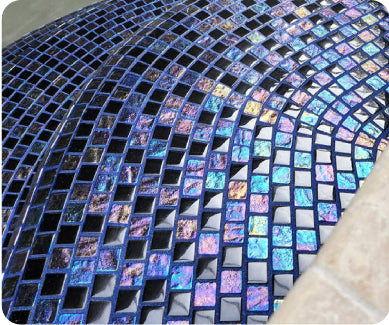
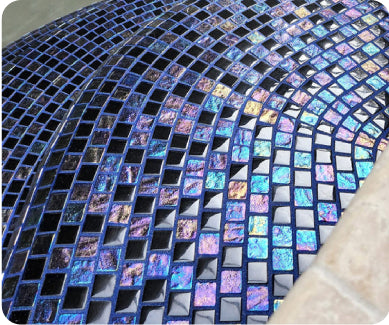
Agadir Agua 2.8×11 Porcelain Tile

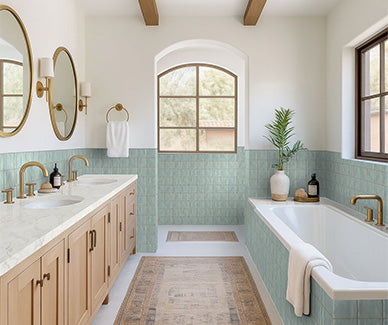
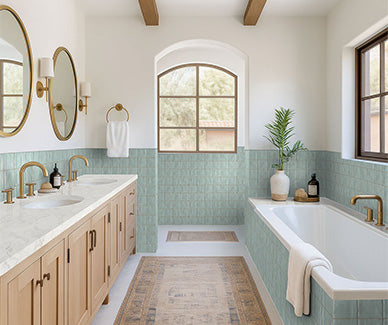
The Agadir Agua 2.8×11 porcelain tile offers a sophisticated blend of classic inspiration and contemporary flair. As a slender, linear format, this piece works beautifully as an accent or field tile in a range of spaces—bathrooms, kitchens, pool surrounds, and even outdoor living areas. Its glazed porcelain surface provides a chic yet durable finish that can stand up to regular use.
Porcelain’s natural resilience to moisture and wear makes Agadir Agua an excellent choice for areas that see frequent water contact or foot traffic. In bathrooms, it can be used to create dynamic vertical accents or a classic subway-style field tile. In kitchens, the elongated shape lends itself well to modern backsplashes that play with linear patterns. Around a pool or spa, this tile’s slip-resistant and frost-proof qualities make it a functional yet stylish option.
The Agadir series draws on a range of natural tones and patterns, adding visual richness to any environment. Its subtle variation across pieces ensures that installations feel organic and unique. Whether used on its own or mixed with complementary tiles, Agadir Agua balances sophistication and practicality, highlighting why porcelain is often preferred in many household applications.
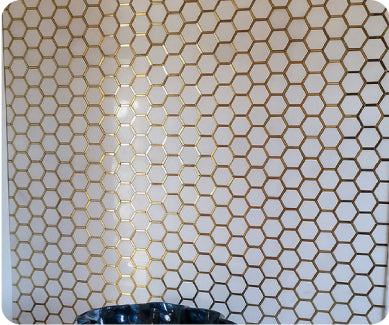
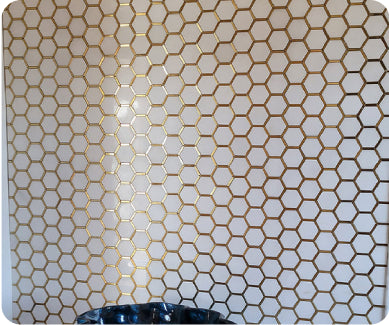
Soho Hex Afternoon Blend Matte Mosaic Ceramic Tile

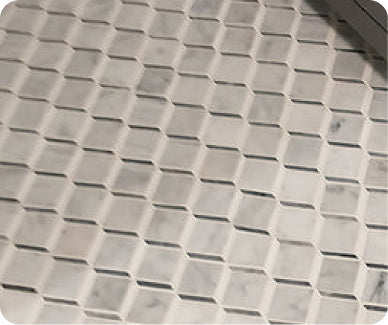
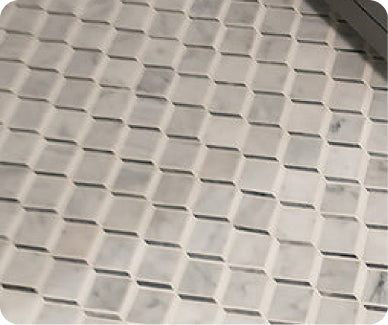
Ceramic tile shines when it comes to decorative interior applications, and the Soho Hex Afternoon Blend Matte Mosaic is a perfect example. This ceramic tile features a hexagon pattern and a matte finish that brings a soft, artistic touch to kitchen backsplashes, accent walls, and even bathroom wainscoting.
As a ceramic tile, it offers excellent design flexibility. The matte texture helps conceal fingerprints and smudges, making it practical for kitchen and wall applications. Its moderate porosity is suitable for areas with indirect moisture but less ideal for constant water exposure like pool interiors—where porcelain is typically a better choice.
The hexagon mosaic construction creates visual interest that complements modern, transitional, and even traditional design schemes. Pairing this tile with neutral cabinetry or contrasting countertops elevates its artistic appeal. While ceramic tends to be more budget-friendly and easier to cut or shape for DIY use, remember that it may require sealing if installed in high-moisture areas to ensure longevity.
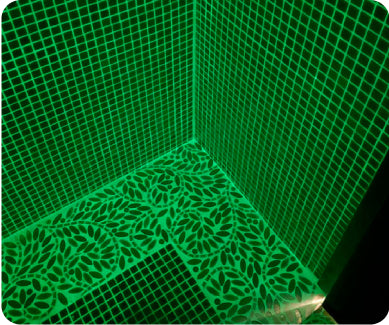
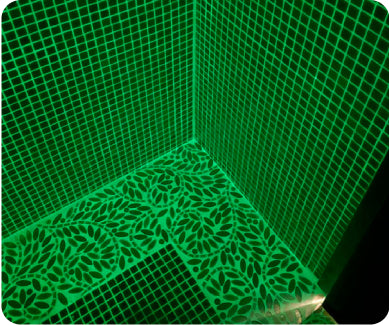
Soho Diamond Midnight Blend Matte Mosaic Ceramic Tile

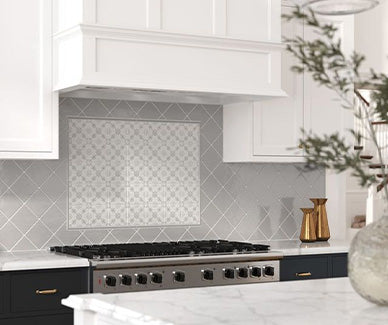
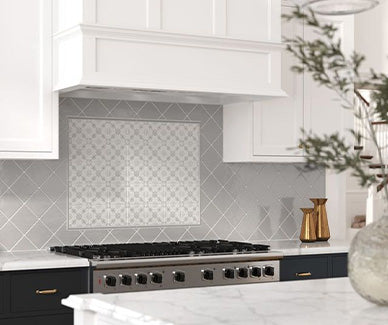
Another standout from the Soho collection, the Soho Diamond Midnight Blend Matte Mosaic Ceramic Tile offers a bold aesthetic with artistic flair. With a geometric motif and rich tonal palette, this tile brings depth and personality to any interior design project. Perfect for kitchen backsplashes or bathroom feature walls, it showcases the design versatility you can achieve with ceramic tile.
Ceramic tile like this excels in spaces where visual impact and ease of installation are priorities. Unlike porcelain, ceramic’s slightly higher water absorption means it’s best suited for interior projects where moisture is controlled, such as above countertops or as bathroom wall tile. Its mattified surface resists glare and adds texture under varied lighting conditions.
The hexagon diamond pattern introduces rhythm and movement, making it ideal for focal installations. When designing with Soho Diamond Midnight Blend ceramic tile, consider pairing with simpler wall tiles or trim pieces to give the eye a place to rest. Whether you’re going for a dramatic accent or a cohesive backsplash, this tile’s modern design and durability make it a compelling choice.
The Big Picture: Porcelain vs Ceramic Tile
Porcelain and ceramic tiles are both created from clay and fired in a kiln, but their manufacturing processes differ substantially. Porcelain tile is made from refined clay and fired at higher temperatures, resulting in a denser and harder tile body with low water absorption. Ceramic tile, on the other hand, is fired at lower temperatures and is slightly more porous and generally easier to work with. These differences affect everything from durability to ideal applications.
Porcelain Tile Overview
Porcelain tile is known for its strength, low moisture absorption, and durability. It typically has a water absorption rate of less than 0.5%, making it an excellent choice for high-moisture areas like bathrooms, kitchens, and pool spaces. Porcelain is harder and more resistant to wear and cracking than standard ceramic.
Ceramic Tile Overview
Ceramic tile is also clay-based but is less dense and more porous than porcelain. While it still provides excellent aesthetics and durability for many indoor applications, ceramic is generally better suited to walls and lower-traffic areas. It’s often more budget-friendly and easier to cut or install for DIY projects.
Porcelain vs Ceramic Tile: Key Differences and Uses
When comparing porcelain vs ceramic tile, the most significant differences relate to durability, moisture resistance, and ideal installation zones:
- Durability and Hardness: Porcelain is denser and harder due to its refined clay composition and higher firing temperatures, making it more resistant to wear, chiping, and moisture. Ceramic is durable but generally better for lighter-use areas.
- Water Absorption: Porcelain absorbs less than 0.5% water, which makes it excellent for wet areas such as bathroom floors, shower walls, and pool surrounds. Ceramic absorbs more moisture and is ideal for interior walls and low-moisture spaces.
- Installation: Porcelain’s density makes it tougher to cut, often requiring a wet saw with a diamond blade. Ceramic is easier to work with and more DIY-friendly.
- Cost & Style: Ceramic is usually more affordable and comes in a wide variety of patterns and colours, while porcelain offers superior performance in demanding environments.
Knowing these differences helps you choose the ideal tile type for your design goals, whether it’s a backsplash, floor, or pool surround.
FAQ
What makes porcelain better than ceramic for wet areas?
Porcelain’s lower water absorption rate and hardened manufacturing make it more resistant to moisture, staining, and cracking in high-moisture environments.
Can ceramic tile be used on floors?
Yes, ceramic tile can be used on floors, especially in living spaces, bathrooms, or kitchens. However, its water absorption may limit its use in very wet or outdoor areas.
Is porcelain tile more expensive than ceramic?
Often, porcelain has a higher upfront cost due to its manufacturing process, but its longevity and moisture resistance often justify the investment.
Can I install porcelain tile outdoors?
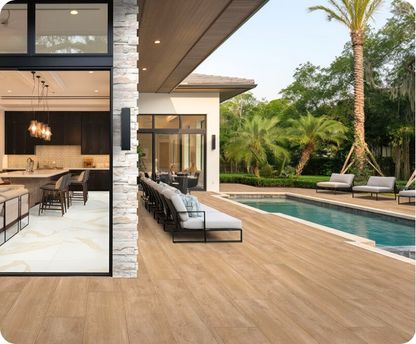
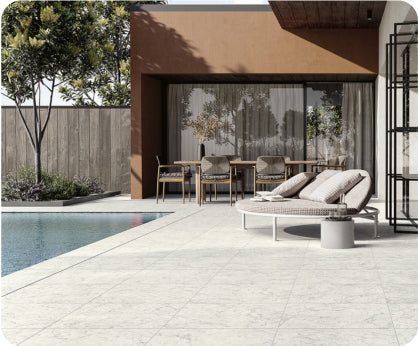
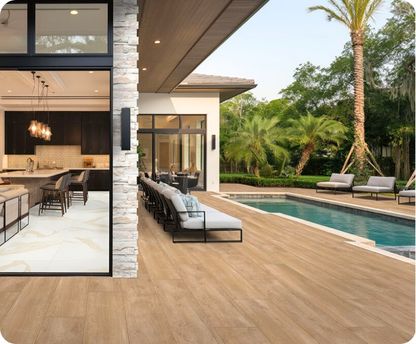
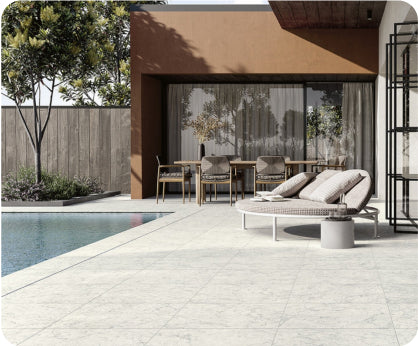
Yes. Porcelain’s density and low water absorption make it suitable for outdoor floors, patios, and pool surrounds.
Do porcelain and ceramic tiles require sealing?
Sealing is not always necessary for glazed tiles, but it can enhance grout protection in high-moisture areas.
