



























Porcelain Paver Installation: Grass, Gravel, And Pedestal Methods

Outdoor porcelain pavers offer an attractive combination of durability, sophisticated design, and installation flexibility. With their substantial 2CM thickness, these products can be incorporated into patios, pool decks, garden walkways, rooftop terraces, and other outdoor environments using several different installation approaches.
Unlike conventional thin porcelain tile, 2CM pavers are designed for outdoor hardscape applications. Depending on the project and manufacturer's specifications, they can be installed over grass, gravel, or adjustable pedestal systems.
Understanding the differences between these methods is essential. The right approach depends on the property's soil conditions, drainage requirements, intended traffic, and overall landscape design.
Montauk Noce 16" X 48" 2CM Outdoor Porcelain Paver

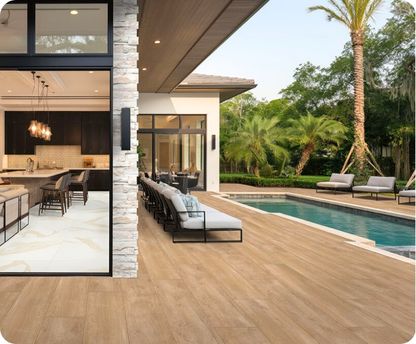
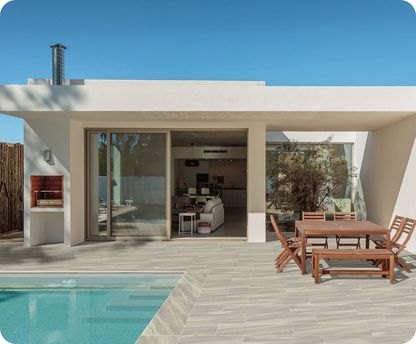
Montauk Noce offers a distinctive way to introduce the warmth of natural wood into outdoor environments without choosing traditional timber decking. Part of the Montauk Series by U.S. Porcelain Pavers, this elongated porcelain design captures the tonal variation and organic character associated with aged wood while providing the practical advantages of porcelain construction.
Its 16" x 48" dimensions create an especially attractive format for contemporary outdoor layouts. The elongated proportions can visually extend patios, emphasize architectural lines, and create a more streamlined appearance along pool decks and garden pathways.
The 20mm thickness provides a substantial profile for appropriate outdoor hardscape installation systems. The product is made in the United States, frost proof, and designed to withstand outdoor exposure and regular foot traffic. The Montauk collection also emphasizes slip resistance and commercial-grade performance.
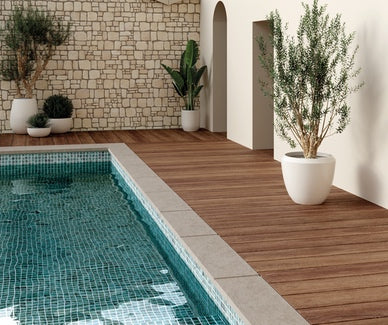
Montauk Noce is a particularly interesting option for homeowners who want to create a warm, natural-looking patio or outdoor entertaining area. Its wood-inspired appearance can coordinate beautifully with neutral pool finishes, natural stone, landscaping, and contemporary outdoor furniture.
Each pallet contains 54 pieces and covers approximately 279.18 square feet. The product is sold by the pallet, making accurate project measurements important before ordering.
For a cohesive design, consider coordinating the pavers with complementary pool coping and surrounding hardscape materials. The result is an outdoor environment that combines the inviting appearance of wood with the durability expected from a modern porcelain surface.
Summit Bianco 24" X 24" 2CM Outdoor Porcelain Paver

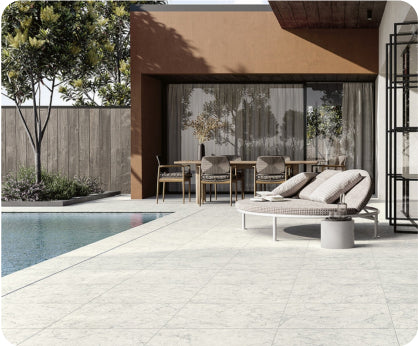
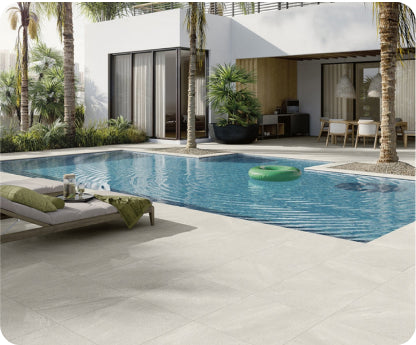
Summit Bianco brings the character of natural mountain stone into outdoor living spaces through a sophisticated porcelain design. Part of the Summit Series, it features a limestone-inspired appearance with a combination of warm and cool tones that creates subtle visual variation across the finished surface.
Its 24" x 24" format offers balanced proportions that work particularly well in larger patios, pool decks, walkways, and outdoor entertaining areas. The square dimensions create a structured layout while allowing the natural-inspired coloration to provide visual interest.
At 20mm thick, Summit Bianco is designed for demanding outdoor applications. It is made in the United States and listed as frost proof. AquaBlu also describes the Summit collection as suitable for heavy foot traffic and exposed weather conditions, with anti-slip testing and commercial-use approval.
One of its most appealing characteristics is the ability to coordinate indoor and outdoor spaces. Complementary Summit Series products make it possible to carry a similar stone-inspired aesthetic from interior living areas into the surrounding landscape.
Each pallet contains 64 pieces and covers approximately 248 square feet. The product is sold by the pallet, so homeowners and contractors should carefully calculate the required quantity and account for cuts and installation waste.
Summit Bianco is particularly suited to projects where a light, refined appearance is desired. It can complement contemporary architecture, outdoor kitchens, swimming pools, and natural landscaping while creating a consistent foundation for the entire outdoor environment.
Classic Gray 24" X 24" 2CM Outdoor Porcelain Paver

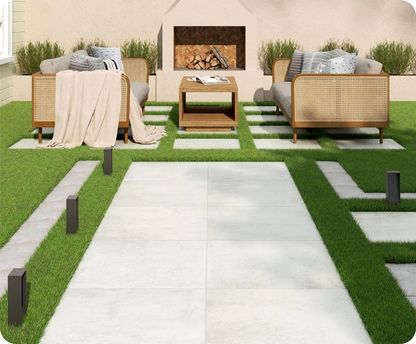
Classic Gray provides a clean, contemporary interpretation of natural stone through the Classic Series by U.S. Porcelain Pavers. Its cool, monochromatic coloration and concrete-inspired appearance make it an excellent option for homeowners looking to create a modern outdoor environment.
The 24" x 24" square format offers a balanced appearance that works especially well across larger patios and pool decks. Its restrained gray palette can coordinate with white architecture, darker exterior finishes, contemporary furniture, and a wide variety of landscaping styles.
Manufactured from porcelain with a substantial 20mm thickness, Classic Gray is designed for demanding outdoor conditions. The product is made in the United States and listed as frost proof. AquaBlu describes the Classic collection as engineered for heavy foot traffic and weather exposure, with anti-slip testing and commercial-use approval.
Another advantage is its ability to coordinate with other materials in the Classic Series. Homeowners can create a connected aesthetic between outdoor paving, pool edges, and complementary indoor finishes.
Each pallet contains 64 pieces and covers approximately 248 square feet. Its consistent square format makes it especially appealing for geometric layouts and contemporary hardscape designs.
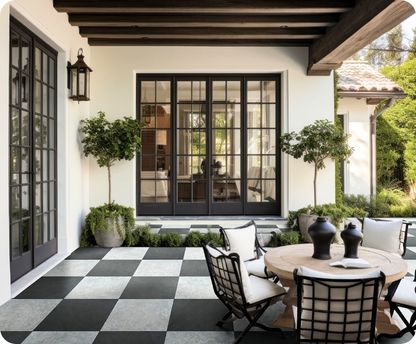
Classic Gray is an excellent consideration for residential patios, commercial outdoor environments, and poolside installations where a sophisticated concrete-inspired appearance is desired without choosing traditional concrete paving.
Preparing For Installation
Before selecting an installation method, evaluate the area where the pavers will be placed. Consider the existing ground conditions, elevation, drainage, surrounding structures, and expected foot traffic.
Proper preparation is critical. An uneven or poorly compacted base can cause pavers to shift, settle, or become unstable. Outdoor surfaces should also be graded to direct water away from buildings and prevent standing water.
Measure the installation area carefully and account for cuts, spacing, and potential waste. Ordering samples before committing to a large project is also helpful when comparing colors and finishes.
Installing Over Grass
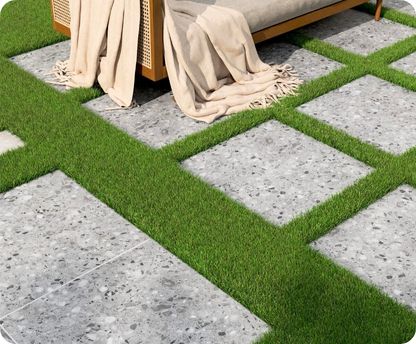
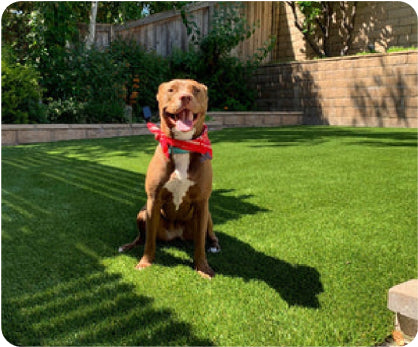
Grass installation is particularly attractive for garden pathways, stepping-stone arrangements, and landscaped outdoor spaces. Individual porcelain pieces can be positioned within a lawn to create a defined walking route while allowing greenery to remain part of the overall design.
The process generally involves marking the location of each paver, cutting away the grass within its footprint, and preparing a stable foundation. A layer of gravel can provide drainage and help prevent uneven settling. The bedding area should be leveled before positioning the paver.
The finished surface should sit at an appropriate height relative to the surrounding lawn to avoid creating a tripping hazard.
This approach works particularly well when pavers are spaced apart with grass growing between them. It creates a natural transition between hardscape and landscaping and can complement contemporary gardens, pool pathways, and outdoor entertaining areas.
Grass installations are generally intended for pedestrian use. They should not automatically be considered appropriate for driveways or vehicle traffic.
Installing Over Gravel
A gravel installation provides a more continuous hardscape surface and can be useful for patios, outdoor dining areas, and garden walkways.
The process begins with excavation and preparation of the subgrade. A compacted aggregate base provides stability, followed by an appropriate bedding layer that can be leveled before the pavers are positioned.
Edge restraints help prevent the installation from spreading or shifting over time. Proper spacing between individual pieces is also important for drainage and to prevent direct contact between paver edges.
One advantage of this method is that it does not require permanently bonding every piece to a concrete slab. Individual pavers can potentially be lifted and repositioned when repairs or adjustments are needed.
However, the supporting foundation must be properly constructed. Placing heavy porcelain pieces directly onto loose gravel or uncompacted soil can result in rocking, uneven surfaces, and premature problems.
Installing With A Pedestal System
Pedestal installation is particularly useful for elevated outdoor environments such as balconies, rooftop terraces, and structural decks.
Adjustable supports are positioned beneath the corners and other required support locations of each paver. The system raises the finished surface above the underlying structural base, creating space for water drainage and access to utilities.
One major advantage is accessibility. Individual pieces can often be lifted, allowing maintenance personnel to reach drainage components, electrical wiring, or other services underneath the surface.
Adjustable supports can also help create a level finished walking surface over a properly designed sloped structural deck.
However, pedestal installation requires careful planning. The supporting structure must be capable of handling the combined weight of the pavers, supports, and anticipated loads. Wind exposure, edge conditions, paver dimensions, support spacing, and manufacturer approval must all be evaluated.
Not every porcelain paver is automatically suitable for every pedestal configuration. Structural assessments and professional installation are particularly important for elevated applications.
Installation Details That Should Never Be Overlooked
Regardless of the chosen method, several details contribute to a successful project.
Drainage should be planned from the beginning. Water needs a clear path away from buildings and other vulnerable structures.
Cutting also requires appropriate equipment. A wet saw equipped with a porcelain-rated diamond blade helps produce cleaner cuts and reduce chipping.
Follow the manufacturer's recommendations for joint spacing and support requirements. Avoid striking or compacting the porcelain directly with heavy equipment unless the specific installation system expressly permits it.
Finally, inspect the completed surface to make sure the pieces are stable, properly aligned, and free of noticeable height differences.
Choosing The Right Method For Your Project
The best installation approach depends on how the finished space will be used.
Grass installation is ideal for stepping-stone pathways and landscaped areas. Gravel offers a more continuous surface for patios and pedestrian walkways, while pedestal systems are particularly useful for elevated decks and rooftop environments.
Before making a final decision, consider drainage, structural support, maintenance access, and the manufacturer's installation requirements. Working with an experienced installer can help ensure the selected system is appropriate for the site.
Final Thoughts
Twenty-millimeter porcelain pavers provide considerable flexibility for outdoor design. Their ability to work with grass, gravel, and pedestal systems creates opportunities for patios, pool decks, garden pathways, balconies, and rooftop terraces.
Montauk Noce brings warmth through its wood-inspired appearance, Summit Bianco delivers the character of natural mountain stone, and Classic Gray offers a clean contemporary aesthetic.
The right material and installation approach can transform an ordinary outdoor surface into a durable, visually cohesive extension of the home. Careful planning, appropriate drainage, and professional preparation are the foundations of a successful result.
FAQ
Can 2CM Porcelain Pavers Be Installed Directly On Grass?
They can be used as stepping stones when installed over properly prepared, stable, and well-drained support areas. Simply placing a paver on top of existing grass is not recommended.
Is Gravel A Good Base For Outdoor Porcelain Pavers?
Yes. A properly excavated and compacted aggregate base with an appropriate leveling layer can provide stable support and drainage for pedestrian applications.
What Are The Benefits Of Pedestal Installation?
Pedestals elevate the finished surface, provide drainage space, and allow access to utilities or waterproofing beneath the pavers. They are particularly useful for rooftop terraces and balconies.
Are All 2CM Pavers Suitable For Pedestals?
No. Confirm that the specific paver dimensions and construction are approved for the intended pedestal system and loading conditions.
Do Outdoor Porcelain Pavers Need To Be Sealed?
Porcelain is generally non-porous and does not require sealing like many natural stones. Grout and other installation components may have separate maintenance requirements.
Can These Pavers Be Used Around Swimming Pools?
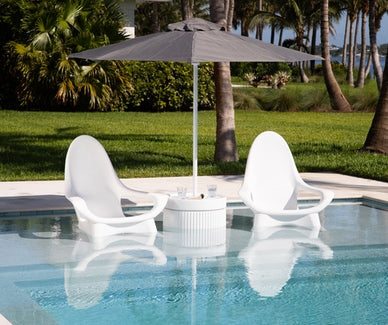
These products are designed for outdoor hardscape applications, and their respective collections highlight slip resistance and frost-proof construction. Always verify the individual product specifications and installation requirements for your intended poolside application.
