
































Natural Stone Tile: Where to Use It and What to Know Before You Buy

There's a reason natural stone still stops people in their tracks. No two pieces are ever quite the same, and that's the point. Marble carries its veining like a signature. Travertine holds onto tiny pockets of warmth and shadow. Slate feels like it was pulled straight from a riverbed. If porcelain and ceramic are about consistency, natural stone is about character, and character is exactly what turns a backyard into a destination.
But stone asks more of you than manufactured tile does. It's pickier about where it goes, it needs more care once it's down, and getting it wrong is a more expensive mistake to fix. Consider this your tile buying guide for choosing tile that's actually built for natural stone: where it works best, what to know before you buy, what to know before you install, and the details pros wish more homeowners asked about upfront.
What Counts as Natural Stone
"Natural stone tile" isn't one material, it's a whole family of tile styles, and each one behaves a little differently.
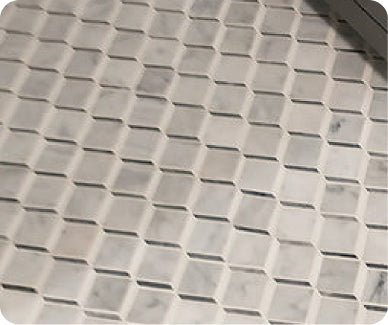
- Marble: Soft, luminous veining, classic in bathrooms and accent walls. Softer and more porous than most other stone, so it scratches and etches more easily.
- Travertine: Warm, earthy, and naturally textured, a favorite for pool decks and patios because of its slip resistance and cooler surface underfoot.
- Slate: Rugged, layered texture with rich, varied tones. Durable and naturally slip-resistant, which makes it popular outdoors.
- Limestone and quartzite: Both lean toward soft, neutral palettes. Quartzite is the more durable of the two and holds up especially well outdoors.
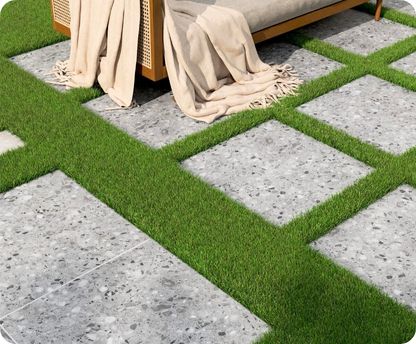
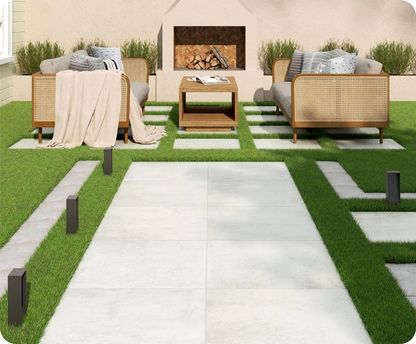
- Flagstone: Irregular, organic pieces prized for patios, pathways, and pool surrounds where a looser, more natural layout is the goal.
Explore the full natural stone tile collection to see how each material looks in person.
Home Tile Ideas: Where Natural Stone Works Best
Not every stone belongs in every space, and matching material to application is half the work of choosing tile styles that actually last.
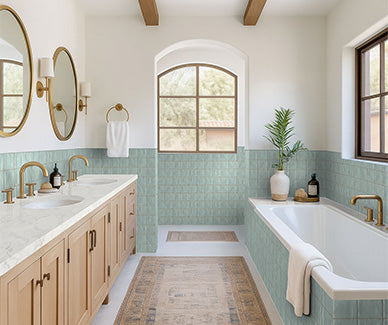
- Bathrooms: Marble and travertine bring a spa-like, resort feel to walls, floors, and shower surrounds. Choose honed finishes in wet areas for better traction.
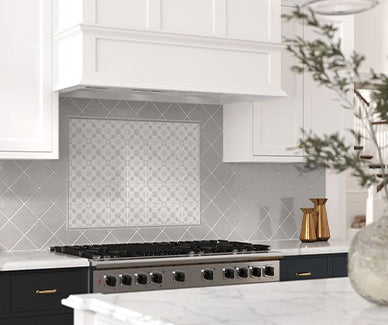
- Kitchen backsplashes and accent walls: This is where stone gets to be the star. Veining and texture read beautifully at eye level, and it's a lower-traffic spot that doesn't demand the same durability as a floor.
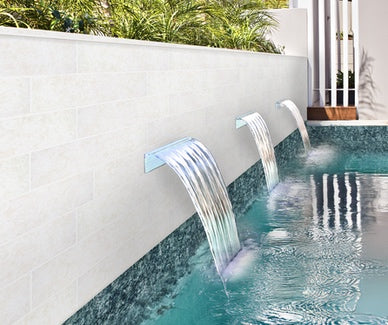
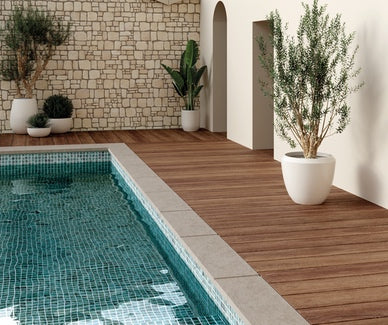
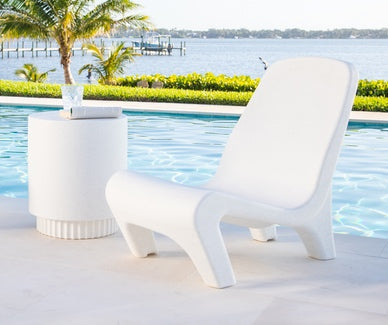
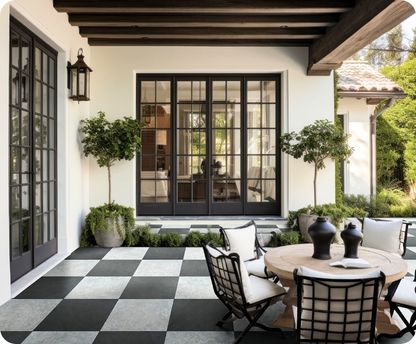
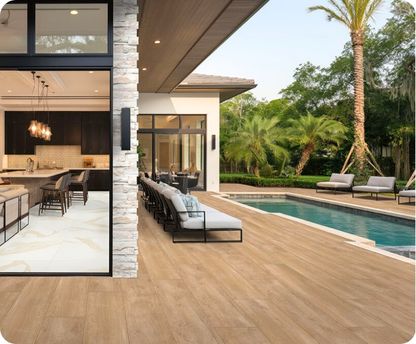
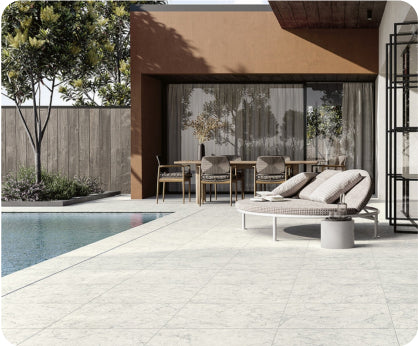
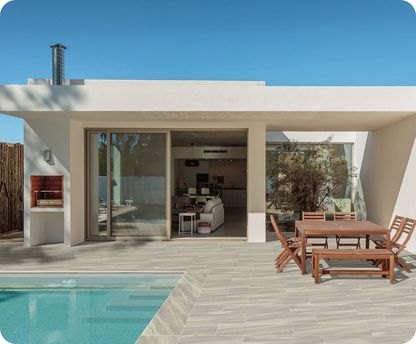
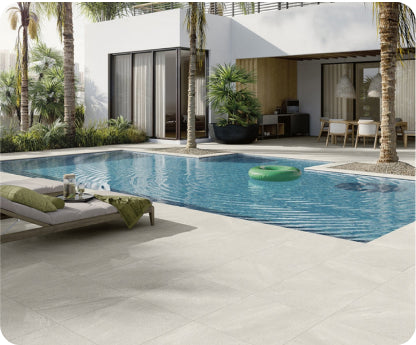
- Pool decks and patios: Travertine and flagstone can be great for the deck surrounding a pool, since both stay cooler underfoot in direct sun and offer natural, textured grip when wet. We don't recommend natural stone for the pool itself, including waterlines, steps, or any submerged surface. Porcelain and glass are the better-performing choice there. Check out our selection of porcelain pavers for a less expensive alternative to natural stone pavers here.
- Feature walls and fireplace surrounds: Ledger panels turn stone into architecture. Grout-free, stacked layouts create the kind of statement wall that makes a room.
- High-traffic interior floors: Proceed carefully. Softer stones like marble show wear faster here. Quartzite or slate hold up better if you want the look on a floor that sees daily foot traffic.
What to Know Before You Buy
A few questions upfront save a lot of second-guessing later.
- How porous is this stone, and where is it going? Porosity determines how much sealing and maintenance a stone will need, and it varies significantly by material. Marble and limestone are more porous; slate and quartzite are less so.
- Honed or polished? Honed finishes are matte, slip-resistant, and more forgiving of scratches. Polished finishes are glossy and dramatic, but show wear and can be slippery when wet, so they're better suited to low-moisture, low-traffic spots.
- Indoor or outdoor rated? Not every natural stone tile is built to handle freeze-thaw cycles or direct sun exposure. Confirm the material is rated for your climate and application before you order, especially for pool decks and patios.
- How much variation do you want? Natural stone will never match perfectly from piece to piece, and that's the appeal, but it's worth seeing the full range of variation in a collection before committing, not just the one photo you fell in love with.
Order samples before you buy. Under your own lighting, stone can look noticeably different than it did in a photo or showroom, and this matters more with stone than with any other tile material because of how much natural variation exists piece to piece.
What to Know Before You Install
Stone installation has a few extra steps that ceramic and porcelain don't, and skipping them is where most problems start.
- Seal before grout, then seal again after. Sealing protects the stone from absorbing grout haze and staining during installation, and a second seal afterward locks in that protection long-term.
- Budget extra material. Because of natural variation and the cuts required for edges and corners, pros recommend ordering 10 to 15% more than your measured square footage.
- Use the right setting materials. Natural stone is heavier and more sensitive to movement than manufactured tile, so it needs the appropriate thin-set, waterproofing, and grout for the specific stone type and application. This is one area where it pays to ask before you buy rather than after.
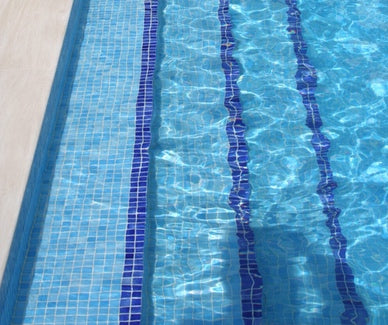
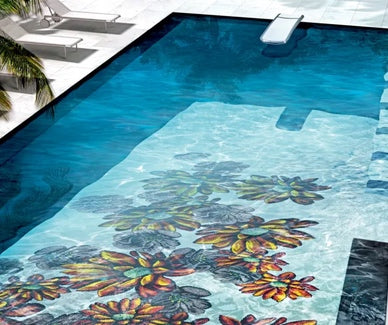
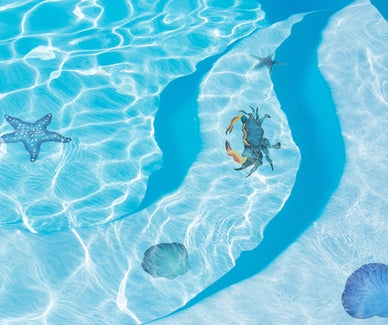
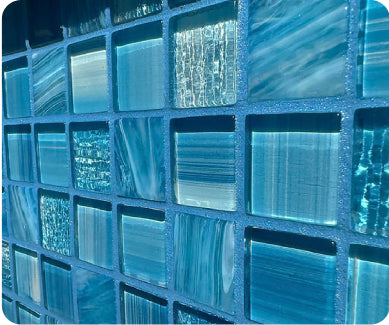
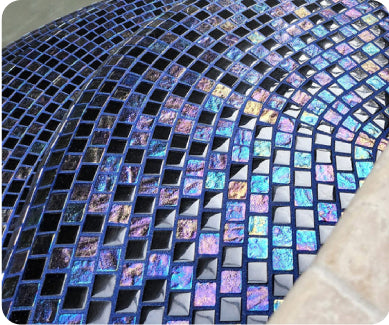
- Skip natural stone for the pool itself. For waterlines, steps, and any submerged surface, we recommend porcelain or glass tile instead of natural stone. Stone's porosity and sealing needs make it a poor match for constant water exposure and pool chemicals, no matter how well it's installed.
- Hire a pro for load-bearing or structural applications. Natural stone is heavier and less forgiving than manufactured tile, so anything structural is not the place to learn stone installation. The material cost is too high, and mistakes are difficult to correct once it's set.
Caring for Natural Stone Long-Term
The tradeoff for that one-of-a-kind beauty is a bit more upkeep, but it's manageable once you know the routine.
- Clean with a pH-neutral stone cleaner. Anything acidic, including many all-purpose cleaners, vinegar, and citrus-based products, can etch or dull the surface over time.
- Reseal on a schedule based on your specific stone and how much traffic or moisture it sees, generally anywhere from once a year to every few years.
- Wipe up spills sooner rather than later, especially on marble and limestone, since porous stone is more prone to staining.
- Use mats or rugs in high-traffic entry points to cut down on grit that can scratch softer stones over time.
Pro Tips Worth Knowing
A few things the pros wish more people asked about before the tile ever arrives.
- Order your grout sample alongside your tile sample. Grout color has a bigger visual impact on natural stone than it does on porcelain, since the natural variation in the stone makes grout lines more visible.
- Lay out your tile dry before installing, especially with flagstone or any material with heavy variation, so you can balance color and pattern across the whole space rather than leaving it to chance.
- If you're pairing indoor and outdoor stone for a seamless look, confirm both are rated for their respective applications. The look can match while the performance requirements don't.
- When in doubt about a specific stone's suitability for your project, ask. A quick conversation with a tile specialist before you order can save you from a mismatch that's expensive to undo.
FAQ
Does natural stone tile need to be sealed? Yes, in most cases. Natural stone is porous to varying degrees depending on the material, and sealing protects it from staining, moisture damage, and wear. Slate and quartzite need less frequent sealing than marble or limestone, but nearly all natural stone benefits from it.
Can natural stone be used outdoors or around pools? Yes, for pool decks and patios specifically, provided the stone is rated for outdoor and freeze-thaw conditions. Travertine, flagstone, and quartzite are common choices for the deck surrounding a pool thanks to their natural slip resistance and cooler surface temperature. We don't recommend natural stone for the pool itself, including waterlines and steps. Porcelain and glass are better suited to constant water exposure.
What's the difference between honed and polished stone? Honed finishes are matte and more slip-resistant, making them a better fit for wet or high-traffic areas. Polished finishes are glossy and dramatic, but show wear more easily and can be slippery, so they work best in lower-traffic, drier spaces.
How much extra stone should I order? Most pros recommend ordering 10 to 15% more than your measured square footage to account for cuts, edges, and natural variation between pieces.
Is natural stone more expensive to maintain than porcelain or ceramic? Generally, yes. Natural stone requires periodic sealing and gentler cleaning products, while porcelain and ceramic typically don't need sealing at all. The tradeoff is a look and texture that manufactured tile can't fully replicate.
Bring Natural Stone Home
Every stone in our collection is one you won't find twice, and that's exactly the point. Explore our full range of marble, travertine, slate, and quartzite tile, or browse flagstone pavers and natural stone ledger panels to find the material that turns your next project into your own slice of paradise.
