






















































Natural Stone: Is It Right for Your Home and Project?

Natural stone has a way of making a space feel permanent, like it was always meant to be there. But before you fall in love with a slab, it's worth understanding what you're actually working with, and where it belongs.
What Natural Stone Tile Is
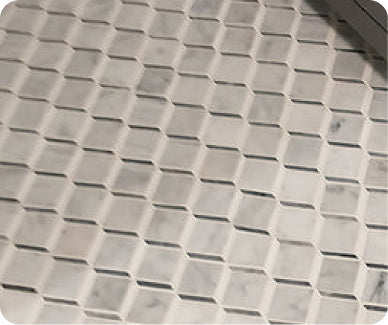
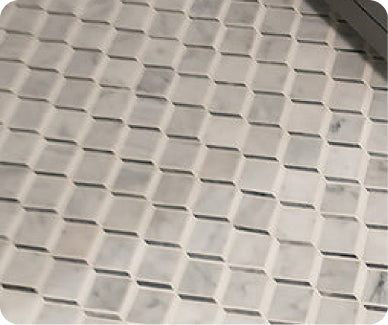
Natural stone tile is exactly what it sounds like: material quarried from the earth, not manufactured or fired. Travertine, limestone, slate, flagstone, and marble all fall under this umbrella, and each one is cut and finished from raw rock rather than built up from clay or aggregate.
That origin is the whole story. No two pieces are the same, and the soft color shifts, veining, and texture that vary from tile to tile are exactly what give natural stone its resort-worthy character. When you want a patio or entryway to feel collected rather than manufactured, nothing replicates that quite like the real thing.
Where Natural Stone Shines
Natural stone tends to age with grace. Where manufactured materials can look tired after a few seasons, natural stone often develops a richness over time, the kind of patina that makes a space feel established rather than new.
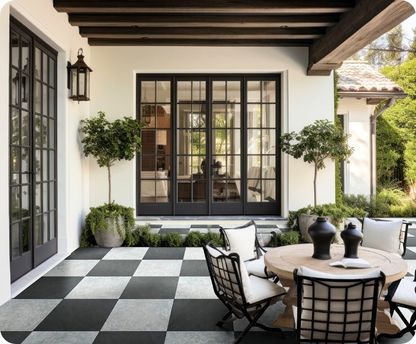
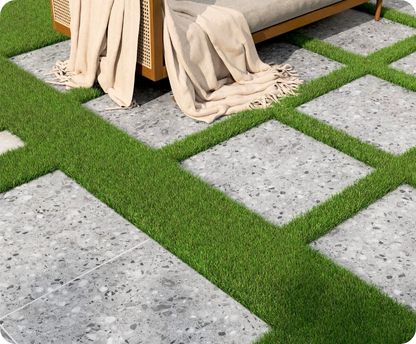
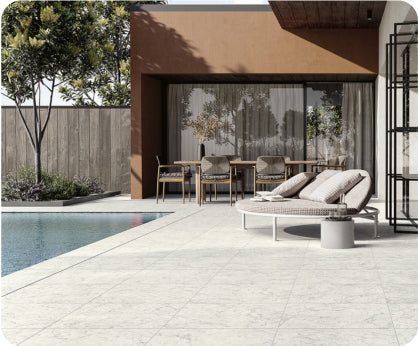
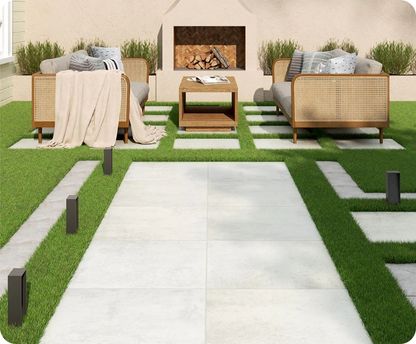
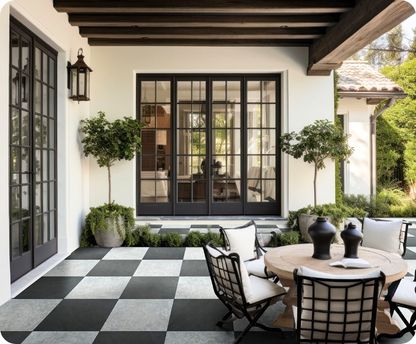
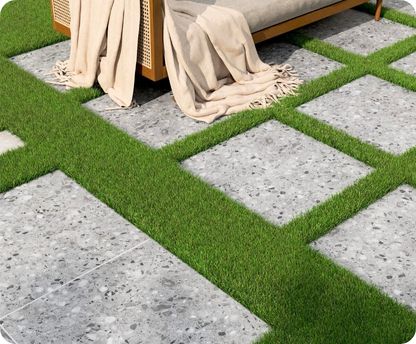
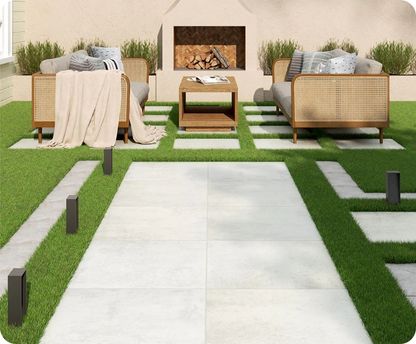
Patios and walkways. Flagstone and travertine bring warmth and texture to outdoor living spaces, holding up well underfoot and softening with age rather than wearing out.
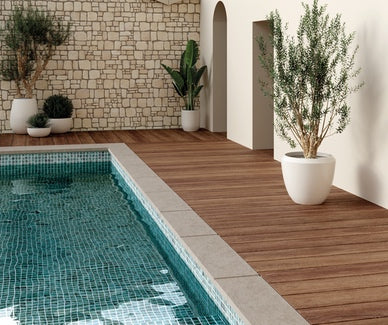
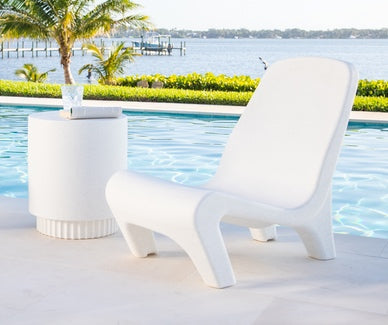
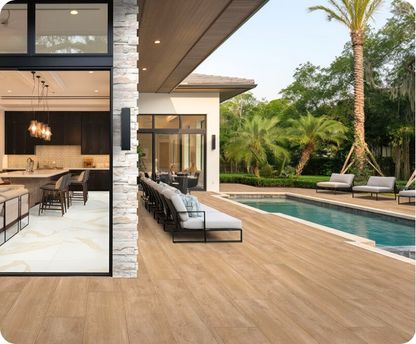
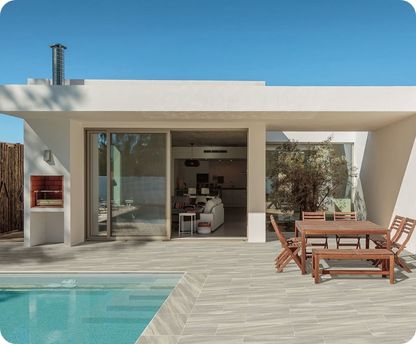
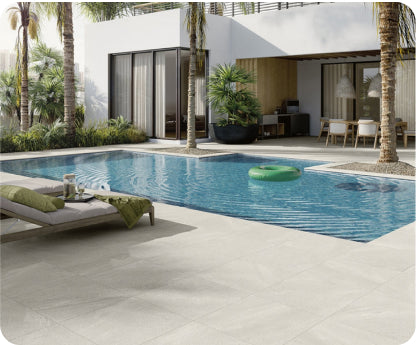
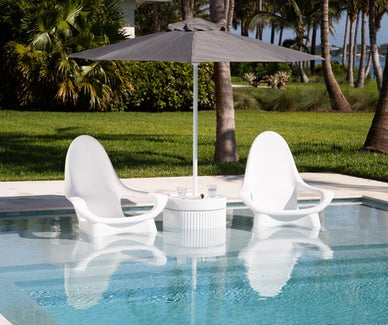
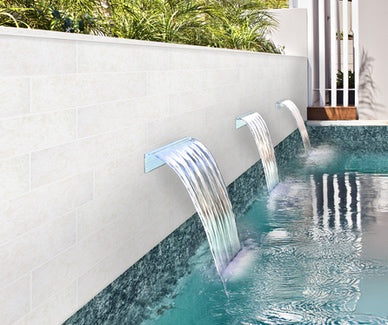
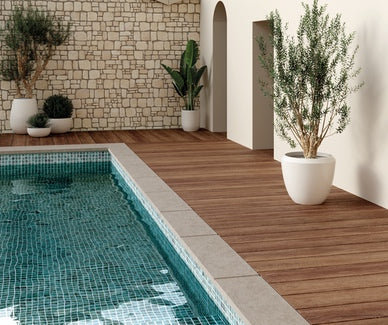
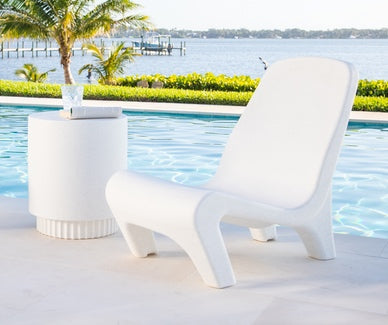
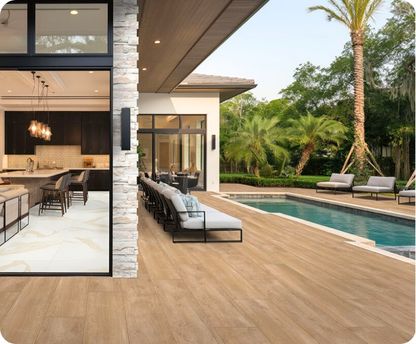
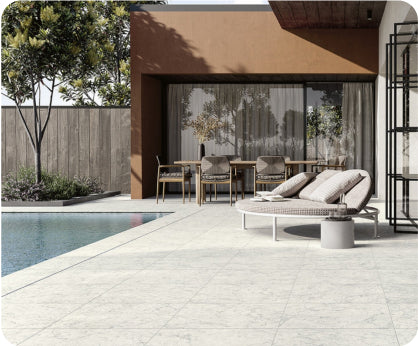
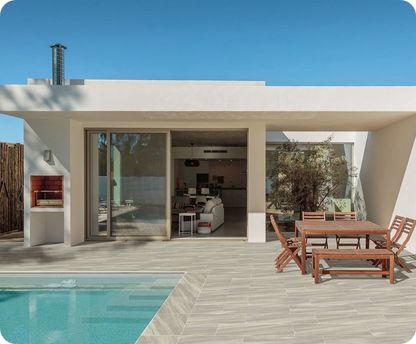
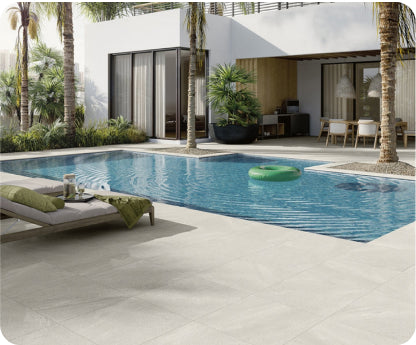
Pool decks and surrounds. Above the waterline, natural stone is a stunning choice for coping and decking, giving pool areas that high-end resort feel while standing up to sun and foot traffic.
Accent walls and entryways. Ledger panels and stacked stone bring texture and depth to vertical surfaces, making a strong first impression at a front door or outdoor kitchen.
What to Consider Before You Commit
Natural stone is a genuine investment, in both cost and installation, so it's worth being honest about your project before you choose it.
Climate and exposure. Some stones handle freeze-thaw cycles and heavy sun exposure better than others. If you're in a region with real seasonal swings, this matters more than the color you're drawn to.
Porosity and maintenance. Natural stone is porous by nature and generally needs periodic sealing to protect against staining and moisture absorption. It's not high maintenance, but it's not zero maintenance either.
Foot traffic and use. A quiet garden path has different needs than a busy pool deck or outdoor kitchen. Density and slip resistance both come into play depending on how hard the space will work.
Installation quality. Proper substrate prep and skilled installation are what make natural stone perform beautifully for decades. Cutting corners here is where problems start.
Where We Draw the Line
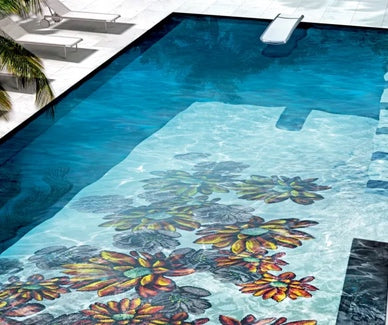
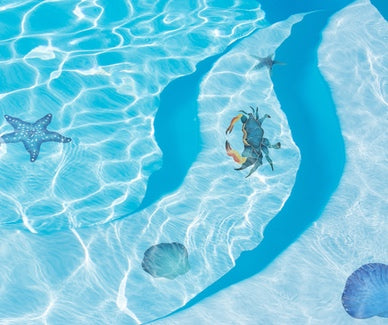
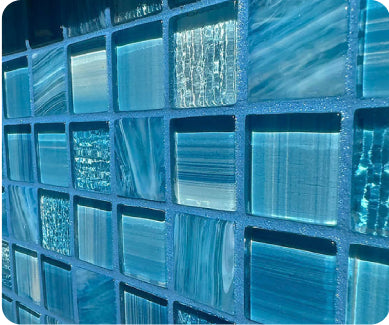
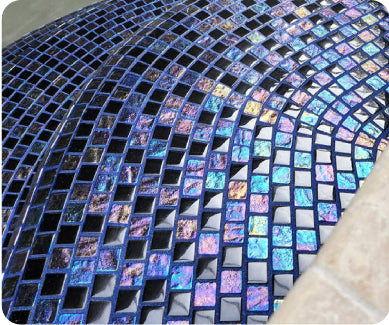
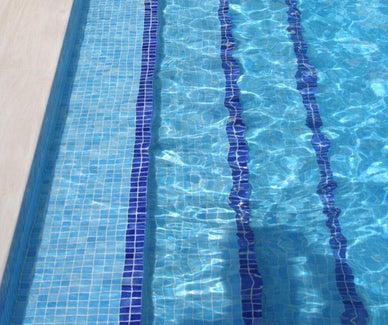
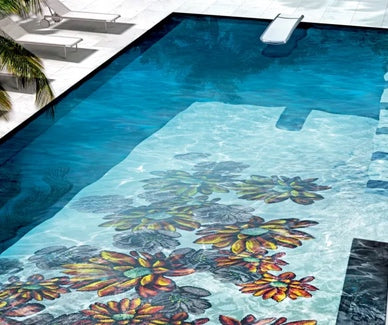
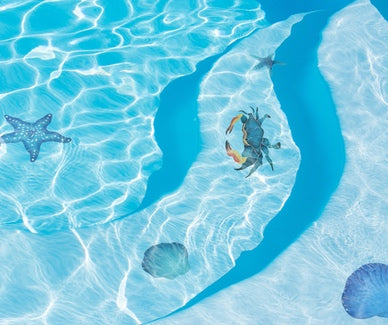
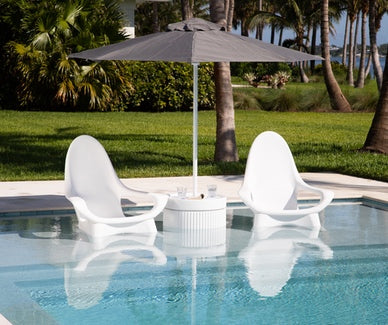
We never recommend natural stone for submerged pool applications. Once stone sits below the waterline, constant water exposure and chemical treatment can lead to surface breakdown, staining, and long-term durability issues that no amount of sealing fully prevents. For pool decks, coping, and anything above the waterline, natural stone is a beautiful and durable choice. For the water itself, we always point customers toward porcelain, which is engineered specifically for that environment.
Is It Right for You?
If you're building a patio, walkway, pool deck, or accent wall and you want a space that feels like it belongs to a five-star resort rather than a subdivision, natural stone is very likely your answer. If you're working with a tight budget or a climate that's especially punishing, it's worth a closer look at which specific stone fits, not whether stone fits at all.
FAQ
Is natural stone good for pool decks?
Yes, natural stone is an excellent choice for pool decks and coping above the waterline, offering durability and a resort-style look.
Can natural stone be used inside a pool?
No, we don't recommend natural stone for submerged pool applications. Constant water and chemical exposure can cause long-term breakdown. Porcelain is the better choice below the waterline.
Does natural stone need sealing?
Most natural stone is porous and benefits from periodic sealing to protect against staining and moisture damage.
How long does natural stone last?
With proper installation and maintenance, natural stone can last decades and often looks better with age.
What's the difference between natural stone and porcelain?
Natural stone is quarried and porous with natural variation; porcelain is engineered, denser, and non-porous, making it better suited for constant moisture like pool waterlines.
Shop AquaBlu Mosaics Natural Stone
Ready to bring this material home? Shop our natural stone collections and find the finish that fits your space.
