






























































Matte vs. Glossy Tile: Which Finish Works Best Indoors?


Choosing between matte tile and glossy tile is one of the most important design decisions when planning an indoor space. While both finishes can be used with similar materials and formats, the overall look and feel they create is very different. Understanding how matte tile and glossy tile affect style, lighting, and mood will help you choose the right finish for your home.
What Is Matte Tile?
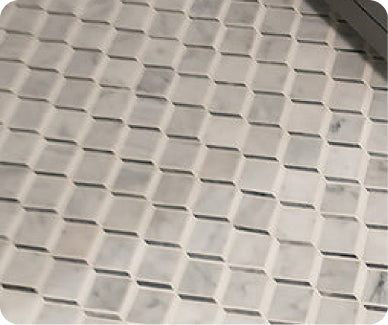
Matte tile has a soft, non-reflective surface that absorbs light instead of bouncing it back into the room. This gives matte tile a calm, understated appearance that feels natural and grounded.
Matte tile is often associated with modern, organic, and minimalist design styles. It creates a more relaxed visual effect, where the focus is on texture, tone, and material rather than shine or reflection. This makes matte tile especially appealing in spaces where you want a quiet, refined atmosphere.
What Is Glossy Tile?
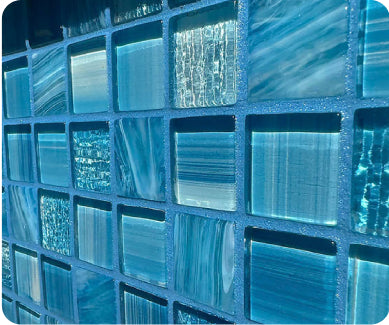
Glossy tile has a polished, reflective surface that enhances brightness by bouncing light around the room. This creates a more vibrant and visually dynamic effect.
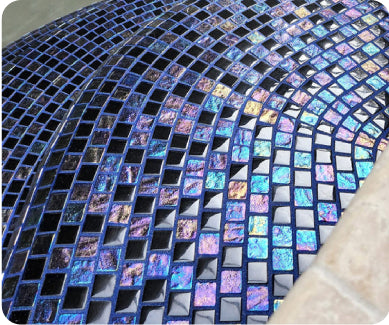
Glossy tile is often used when the goal is to make a space feel more open, polished, and expressive. The reflective surface intensifies color and detail, which makes patterns and tones appear more vivid and defined.
Pros And Cons Of Matte Tile
Advantages Of Matte Tile
Matte tile offers a soft, natural aesthetic that works well in a wide range of interior styles. It blends easily with wood, stone, and neutral color palettes, making it a popular choice for cohesive, design-forward spaces.
Another advantage of matte tile is its subtlety. Because it does not reflect light heavily, it allows other design elements like cabinetry, furniture, and décor to stand out more clearly.
Matte tile also tends to give surfaces a more grounded, textured appearance. Even when used in simple layouts, it can add depth without feeling visually busy.
Disadvantages Of Matte Tile
One limitation of matte tile is that it does not enhance brightness in the same way glossy tile does. In darker rooms, this can result in a more muted overall appearance.
Matte tile can also soften color intensity slightly, which may be a drawback if you want strong contrast or bold visual impact.
Pros And Cons Of Glossy Tile
Advantages Of Glossy Tile
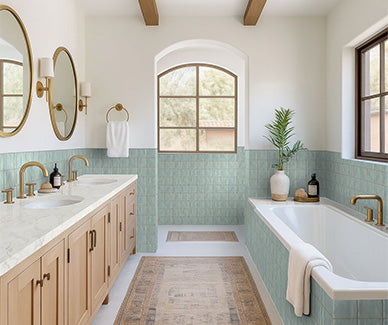
Glossy tile is known for its ability to enhance light and color. Its reflective surface adds brightness and can make interiors feel more energetic and visually expansive.
Another major advantage of glossy tile is the way it elevates design details. Colors appear richer, patterns look more defined, and even simple layouts feel more decorative and refined.
Glossy tile also brings a polished, high-shine aesthetic that is often associated with more luxurious or contemporary interiors.
Disadvantages Of Glossy Tile
One drawback of glossy tile is that its reflective nature can sometimes highlight visual imperfections or surface irregularities more than matte tile.
It can also create a more active visual environment, which may not suit every design preference, especially if a softer, more muted look is desired.
Matte Tile Vs Glossy Tile In Interior Design
When comparing matte tile and glossy tile, the key difference comes down to visual impact.
Matte tile creates a softer, more understated environment. It is often chosen when the goal is to build a calm, cohesive design where surfaces feel blended and subtle.
Glossy tile creates more contrast and energy. It reflects light, emphasizes color, and draws attention to the tile itself, making it ideal for spaces where you want a focal point or decorative feature.
In many modern interiors, designers use both finishes together. Matte tile is often used for larger surfaces to keep the overall look grounded, while glossy tile is introduced in select areas to add brightness and visual interest.
Featured Glossy and Matte Tile Collections
Ivory Glossy 2 x 10 Porcelain Tile

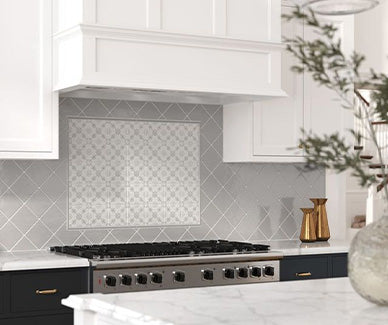
The Ivory Glossy 2 x 10 Porcelain Tile is a great example of how glossy tile can elevate indoor spaces. Its elongated shape gives it a modern feel, while the soft ivory tone keeps it versatile and timeless.
This glossy tile reflects light beautifully, helping to brighten kitchens, bathrooms, and backsplashes. The polished surface enhances the color and adds depth, making even simple layouts feel more refined.
It also offers flexibility in installation. Whether arranged in a traditional pattern, stacked vertically, or installed in a herringbone layout, this glossy tile allows for creative design options. Its smooth surface makes cleaning quick and easy, which is especially useful in high-use areas.
Overall, this glossy tile is ideal for homeowners who want a clean, polished, and light-enhancing finish indoors.
Sand Zenith 8 x 8 Porcelain Tile

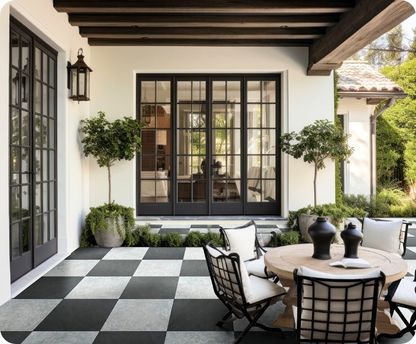
The Sand Zenith 8 x 8 Porcelain Tile highlights the strengths of matte tile in indoor design. Its soft, non-reflective finish creates a warm and grounded look that fits well in a variety of spaces.
The subtle pattern and earthy tone add visual interest without overwhelming the space. This allows it to blend seamlessly with natural materials like wood and stone, as well as neutral color palettes.
In addition to its aesthetic appeal, this matte tile is designed to handle everyday wear. It helps conceal dirt and minor imperfections, making it a low-maintenance and long-lasting choice for indoor environments.
Which Finish Should You Choose?
If you prefer a softer, more subdued aesthetic where materials blend naturally into the space, matte tile is often the better choice. It supports a calm and cohesive design language.
If you want a brighter, more expressive look with stronger color presence and reflective energy, glossy tile is a strong option. It enhances light and adds visual intensity.
Ultimately, the decision between matte tile and glossy tile comes down to the atmosphere you want to create. Matte tile leans toward subtle and grounded design, while glossy tile leans toward brightness and visual impact.
FAQ About Matte Tile And Glossy Tile
What Is The Main Difference Between Matte Tile And Glossy Tile?
Matte tile absorbs light for a softer look, while glossy tile reflects light for a brighter, more vibrant appearance.
Does Matte Tile Look More Natural?
Yes, matte tile often creates a more natural and understated visual effect.
Does Glossy Tile Make Colors Stand Out More?
Yes, glossy tile enhances color intensity and makes design details appear more vivid.
Can Matte And Glossy Tile Be Used Together?
Yes, combining matte tile and glossy tile is a common design approach that adds contrast and visual layering.
Which Finish Is More Modern?
Both can be modern depending on application, but matte tile often aligns with minimalist styles, while glossy tile aligns with more polished or decorative designs.
