


































































How Long Does Grout Take to Dry?


Grout is the final step that brings tile projects together, but patience is just as important as precision. Whether you are finishing a pool, kitchen backsplash, or bathroom floor, understanding drying and curing time can prevent cracks, discoloration, and long term damage. Homeowners and contractors alike often ask the same question: how long does grout take to dry? The answer depends on grout type, environment, and where the tile is installed.
This guide explains what affects drying time for grout in pools, kitchens, and bathrooms, plus how to avoid common mistakes and ensure lasting results.
What Affects Grout Drying Time
Many factors influence drying time. Temperature and humidity play a major role. Warm, dry air speeds evaporation, while cool or humid conditions slow it down. Ventilation also matters. Spaces like enclosed bathrooms or indoor pools may take longer than open kitchens or outdoor installations.
The grout material itself is another key factor. Cement based grout dries differently than epoxy grout. Tile size and grout joint width also influence drying time because thicker joints hold more moisture.
When asking how long does grout take to dry, it is important to understand that drying and curing are not the same thing. Drying means the surface feels firm. Curing means the grout has reached full strength.
Drying Time For Pool Tile Grout
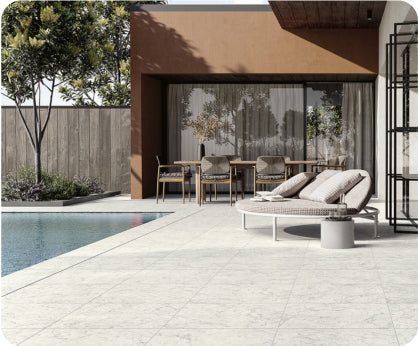
Pool tile grout must withstand constant moisture, chemicals, and temperature changes. Most pool grouts require at least 24 to 48 hours before exposure to water. Full curing can take several days.
If you are wondering how long does grout take to dry for pools, remember that rushing this process can cause grout failure. Filling the pool too soon can wash away grout pigments or weaken bonds between tiles.
Professionals often recommend waiting a minimum of 72 hours before refilling a pool, especially when epoxy grout is used.
Drying Time For Kitchen And Bathroom Grout
Kitchen and bathroom grout typically dries faster than pool grout because it is not submerged. Light foot traffic may be allowed after 24 hours, but full curing can take up to three days.
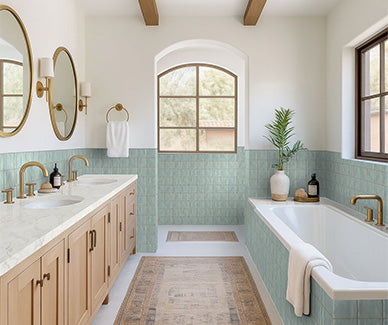
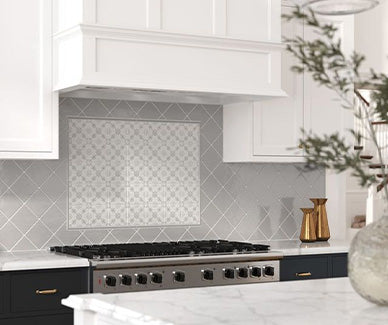
Humidity from showers or cooking can slow drying time. Using fans or dehumidifiers helps speed the process. If you are asking how long does grout take to dry for bathroom walls or kitchen backsplashes, expect at least one full day before wiping surfaces or applying sealant.
Product Collections Spotlight
➡️ Premium Epoxy Tile Grout Collection
Premium epoxy grout is designed for durability, stain resistance, and moisture protection. These grouts are ideal for pools, spas, and wet areas because they resist cracking and discoloration. Epoxy grout typically becomes touch dry within hours but requires at least 24 hours before exposure to water.
Full curing may take up to three days. This collection is especially useful for projects where long term performance matters most. For homeowners who frequently ask how long does grout take to dry, epoxy grout offers faster initial drying and stronger protection once cured.
➡️ StyleGrout Tech Cementitious Tile Grout Collection
Cementitious grout remains a popular choice for kitchens and bathrooms due to its versatility and ease of application. This collection offers modern color options with improved durability over traditional cement grout.
Drying time is usually about 24 hours before light use, with full curing in 48 to 72 hours depending on humidity and temperature. StyleGrout Tech products work well for decorative tile projects where appearance and reliability matter. When comparing grout types and wondering how long does grout take to dry, cementitious grout provides a predictable timeline that fits most residential projects.
Together, these two collections give homeowners flexible solutions for both high moisture environments and everyday interior spaces.
Epoxy Grout Versus Cementitious Grout
When determining how long grout takes to dry, the type of grout being used plays a major role. Epoxy grout and cementitious grout have different curing processes, performance characteristics, and installation requirements.
Epoxy grout is known for its durability, stain resistance, and ability to withstand moisture. It typically reaches a usable state faster than traditional cement-based grout and becomes water resistant sooner after installation. However, epoxy grout can be misleading because the surface may appear dry while the material is still curing beneath the surface. Allowing the proper curing time is essential to ensure maximum strength and performance.
Cementitious grout, which is one of the most common grout types used for tile installations, generally requires more time to fully harden. While it may take longer to cure, it is often easier for installers to work with because it provides more flexibility during application and cleanup. Environmental factors such as humidity, temperature, and ventilation can significantly impact how quickly cement grout dries.
Understanding the differences between grout types is an important part of answering the question, “How long does grout take to dry?” Since each material has its own curing requirements, following the manufacturer’s recommendations is the best way to achieve a strong and long-lasting installation.
Common Mistakes That Delay Grout Drying
Several installation mistakes can extend grout drying and curing times or affect the final appearance of your tile project. One of the most common issues is using too much water during the cleanup process. While water is necessary for removing excess grout, over-saturating the surface can weaken cementitious grout, interfere with proper curing, and leave behind an uneven or cloudy finish.
Poor airflow is another factor that can slow down drying. Areas with limited ventilation, high humidity, or trapped moisture may require additional curing time before the grout is ready for normal use. This is especially important in spaces like bathrooms, showers, and pools where moisture levels are naturally higher.
Applying a grout sealer too soon is another frequent mistake. Sealing grout before it has fully cured can trap moisture inside the material, potentially leading to discoloration, grout haze, or even mildew growth over time.
If you are wondering how long does grout take to dry and the process seems slower than expected, reviewing the installation conditions and identifying possible mistakes can help determine what is affecting the cure time.
Final Thoughts: How Long Does Grout Take to Dry?
So, how long does grout take to dry? The answer depends on several factors, including the type of grout, where the tile is installed, temperature, humidity, ventilation, and whether the area will be exposed to water.
Indoor projects such as kitchen backsplashes, floors, and bathroom walls may reach a usable condition sooner, while moisture-heavy environments like pools, spas, and showers often require additional waiting time. Giving grout the proper time to cure protects your tile investment, prevents future issues, and helps ensure a clean, durable finish.
Understanding how long grout takes to dry allows homeowners and installers to plan projects more effectively and avoid unnecessary repairs. With the right preparation, proper installation techniques, and patience during the curing process, your grout will maintain its strength, appearance, and performance for many years.
FAQ: How Long Does Grout Take to Dry?
How long does grout take to dry?
Most grout dries within 24 hours, but full curing can take up to 72 hours or more depending on grout type and environment.
Can I walk on tile after grouting?
Light foot traffic is usually safe after 24 hours for most interior projects.
When can I fill my pool after grouting?
Pools should wait at least 72 hours before refilling to ensure grout strength and color stability.
Does humidity affect grout drying time?
Yes. High humidity slows drying and curing significantly.
Should I seal grout right after it dries?
Wait until the grout is fully cured before sealing to avoid trapping moisture inside the joints.
Additional Resources:
- https://www.aquablumosaics.com/blogs/news/what-color-goes-with-black-and-white-tile
- https://www.aquablumosaics.com/collections/cordova-series-porcelain-tile-and-pavers
- https://www.aquablumosaics.com/blogs/news/handpicked-with-heart-aquablu-mosaics-staff-tile-favorites
- https://www.aquablumosaics.com/blogs/news/seaside-coastal-kitchen-design
- https://www.aquablumosaics.com/collections/native-series-glass-tile
- https://www.aquablumosaics.com/blogs/news/top-8-outdoor-furniture-sets-to-elevate-your-backyard-oasis
- https://www.aquablumosaics.com/blogs/news/8-fake-grass-wall-backdrop-ideas
- https://www.aquablumosaics.com/blogs/news/10-non-slip-pool-decking-tiles-for-safety-and-style
- https://www.aquablumosaics.com/blogs/news/what-is-quartzite-know-the-facts
- https://www.aquablumosaics.com/collections/liquid-rocks-series-glass-tile
- https://www.aquablumosaics.com/blogs/news/10-pool-paver-tiles-built-to-withstand-the-heat
- https://www.aquablumosaics.com/blogs/news/white-bluhaven-porcelain-tile-perfect-for-pools-kitchens-interiors
- https://www.aquablumosaics.com/blogs/news/exploring-bluhavens-saltstone-series-porcelain-tile
- https://www.aquablumosaics.com/blogs/news/5-must-have-pool-features-to-elevate-your-backyard
-
https://www.aquablumosaics.com/blogs/news/pool-deck-resurfacing
