






















































Geometric Bathroom Tile Ideas That Make Bold Design Look Effortless


Bathrooms have shifted far beyond purely functional spaces. Today, they are designed as personal retreats where texture, shape, and pattern work together to create atmosphere.
One of the most effective ways to elevate a bathroom without overwhelming it is through the use of distinctive tile shapes. Instead of relying only on traditional squares, designers are embracing forms like elongated rectangles, hexagons, and circular mosaics to bring movement and visual interest into the space.
What makes these shapes so powerful is their ability to guide the eye. Subtle shifts in geometry can make a small bathroom feel larger, add rhythm to shower wall tile, or create a spa-like calm through repeated patterns. When used thoughtfully, these tiles do not feel loud or chaotic. Instead, they introduce structure that feels intentional and refined.
This guide explores how different tile shapes can transform a bathroom, along with how to use them effectively in real spaces.
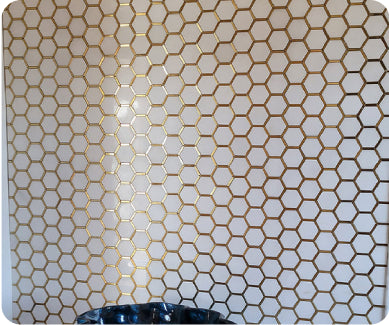
Reactive Marina Hexagon Porcelain Tile

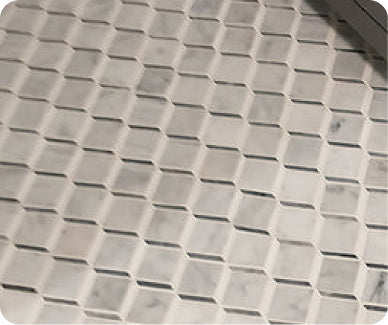
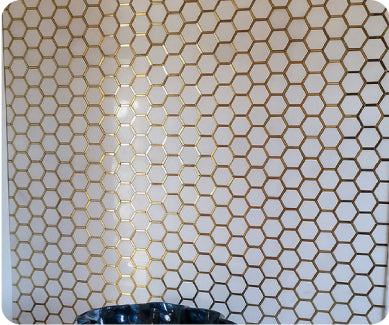
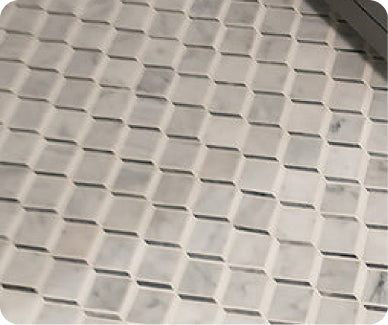
The Reactive Marina Hexagon Porcelain Tile brings a refined sense of movement through its geometric structure and subtle surface variation. The hexagon shape offers a natural sense of balance, combining symmetry with a gentle visual rhythm that works especially well in bathroom environments.
Its porcelain composition provides durability suited for both walls and floors, making it a flexible option for full bathroom designs or selective accent use. The reactive finish introduces soft tonal shifts across each piece, giving the surface a handcrafted feel without overwhelming the space.
In shower installations, this tile can create a calming enclosure that feels both structured and organic. The repeating hexagonal pattern naturally draws the eye across the surface, which helps make smaller bathrooms feel more expansive. On floors, the shape provides subtle grip through grout lines while maintaining a clean aesthetic.
Color variation within the tile adds depth without relying on bold contrast. This makes it ideal for homeowners seeking a balanced look that feels modern but not stark. When paired with minimalist fixtures and soft lighting, the result is a space that feels cohesive and thoughtfully designed.
Overall, this tile works well in environments where subtle texture is preferred over strong visual statements. It supports a design approach that values quiet detail and long-term visual comfort.
Blu Groove 4 X 12 Porcelain Tile

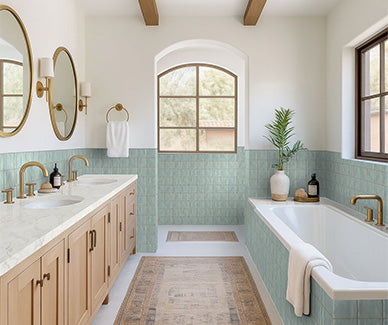
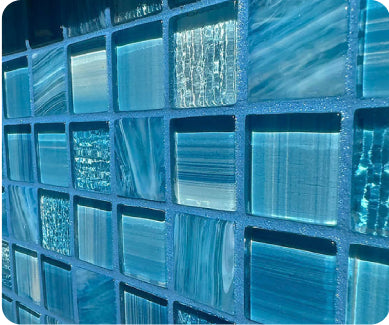
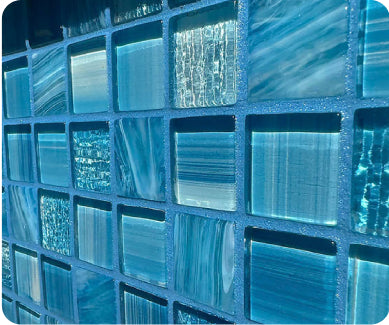
The Blu Groove 4 x 12 Porcelain Tile introduces a linear format that emphasizes structure and flow. Its elongated rectangular shape makes it particularly effective for creating directional movement within bathroom spaces.
This type of format can visually expand walls when installed horizontally or add height when stacked vertically. The result is a flexible design element that adapts easily to different layout goals. Its proportions also make it ideal for shower surrounds, where continuous lines help reduce visual clutter.
The surface finish offers a smooth, refined look that complements both contemporary and transitional interiors. It works well in spaces that aim for a clean aesthetic while still incorporating subtle detail. The slight variation in tone across the tile adds depth without disrupting the overall uniformity.
In application, this tile pairs well with both light and dark palettes. Lighter installations can create an airy, spa-like atmosphere, while darker arrangements introduce contrast and drama. It also blends well with natural materials such as wood and stone, helping to balance modern design with organic warmth.
Beyond walls, it can be used as a backsplash or accent band to break up larger tiled areas. This helps define zones within the bathroom without the need for additional materials or heavy visual separation.
Cotton Barrels 6 X 8 Glass Penny Round Mosaic

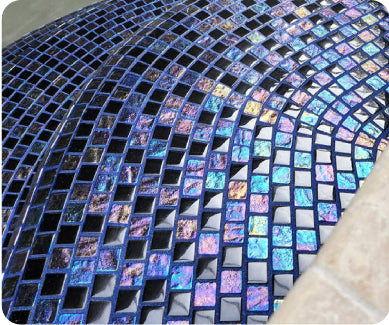
The Cotton Barrels 6 x 8 Glass Penny Round Mosaic offers a soft, rounded geometry that brings movement and texture into bathroom spaces. Its circular format naturally contrasts with the straight lines commonly found in tile layouts, which makes it especially effective for adding visual interest.
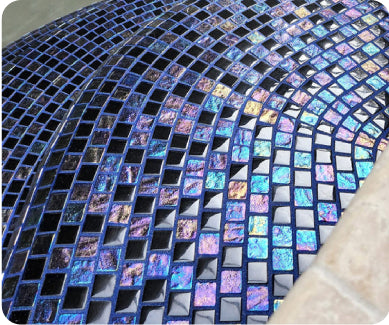
Made from glass, this mosaic reflects light in a subtle yet dynamic way. The surface interacts with both natural and artificial lighting, creating a gentle shimmer that enhances the feeling of depth in the room. This makes it particularly suitable for smaller bathrooms where light enhancement is important.
The penny round format creates a continuous pattern that feels organic and fluid. When installed across walls or floors, it introduces a sense of rhythm that can soften more rigid architectural elements. It is often used in shower floors for both aesthetic and practical reasons, as the grout lines add grip without disrupting the overall design.
This mosaic also works well as an accent feature. Whether used behind a vanity mirror or within a shower niche, it can define focal points without overwhelming the surrounding surfaces. The neutral cotton-inspired tone keeps the look grounded and versatile, allowing it to pair easily with a wide range of finishes and fixtures.
Overall, this tile is ideal for designs that prioritize softness, light play, and subtle movement.
Why Shape Matters In Bathroom Design
Tile shape plays a bigger role than most people realize. While color and finish often get the most attention, shape determines how the surface behaves visually. A simple change from square to elongated or rounded forms can completely shift the mood of a room.
For example, linear shapes tend to elongate walls and create a sense of flow. They are often used to make compact bathrooms feel more open. On the other hand, repeating circular or hexagonal forms creates softness and rhythm, which can make a space feel more calming and organic.
Shape also impacts how light interacts with surfaces. Angled edges and varied geometry catch highlights differently throughout the day, adding depth without requiring bold color choices. This is especially useful in bathrooms where natural light may be limited.
Popular Tile Shapes That Transform Spaces
Rectangular formats remain one of the most versatile choices. They can be stacked vertically for height, laid horizontally for width, or offset for a more dynamic pattern. This adaptability makes them ideal for both modern and transitional interiors.
Hexagonal shapes introduce a natural, honeycomb-inspired structure. They offer a balance between order and visual texture, making them a favorite for shower floors and feature walls.
Circular mosaics bring softness and flow. Their rounded edges break up rigid lines found in most bathrooms, which helps create a more relaxed, spa-like environment. When used on floors or accent areas, they add subtle movement without overwhelming the design.
Combining these shapes within a single space is also becoming more common. The key is maintaining consistency in tone and finish so the variation in shape feels intentional rather than chaotic.
Design Principles For Working With Unusual Shapes
When working with more expressive tile forms, balance becomes essential. The goal is to let the shape stand out without competing with other design elements.
Scale is one of the most important considerations. Larger shapes tend to feel more modern and minimal, while smaller formats create detail and intricacy. Mixing scales can be effective, but it should be done with a clear focal point in mind.
Grout selection also plays a major role. A contrasting grout emphasizes pattern and structure, while a matching grout allows the shape to blend more seamlessly into the surface. In bathrooms aiming for a calm aesthetic, tone-on-tone combinations are often preferred.
Placement is equally important. Feature walls, shower surrounds, and flooring transitions are ideal areas to highlight shape. Using these tiles sparingly in high-impact zones helps maintain a clean overall design.
Creative Applications In Modern Bathrooms
Distinctive tile shapes work well in a variety of applications. In shower areas, they can define vertical surfaces and create a sense of enclosure without feeling heavy. On floors, they can subtly guide movement and improve visual flow between zones.
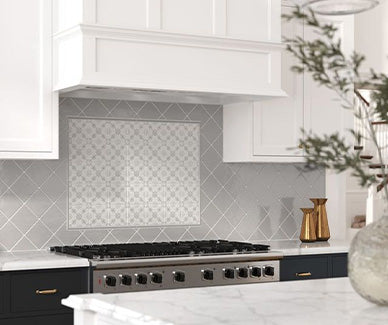
Vanity backsplashes are another opportunity to introduce texture. Even a small section of patterned tile behind a mirror or sink can become a focal point that elevates the entire room.
Niches and recessed shelving also benefit from shape variation. Adding a different tile form inside these areas creates contrast and highlights architectural details that might otherwise go unnoticed.
Frequently Asked Questions
What tile shapes work best for small bathrooms?
Smaller spaces benefit from elongated rectangles and light-reflective circular mosaics. These shapes help create a sense of openness and movement.
Can different tile shapes be used in the same bathroom?
Yes, combining shapes can create layered visual interest. It is best to keep color and finish consistent to maintain harmony.
Are geometric tiles harder to install?
Some shapes require more precision during installation, especially mosaics. However, professional installers are well accustomed to working with these formats.
Where should patterned tile shapes be used for best effect?
Feature walls, shower enclosures, and flooring accents are ideal areas. These zones allow the design to stand out without overwhelming the entire room.
Do unusual tile shapes go out of style quickly?
Classic forms like hexagons, rectangles, and circles have remained popular for many years due to their versatility and timeless visual appeal.
