

































Floor Tiles for Kitchens: 5 Stylish, Durable Picks

Explore 5 stylish, durable floor tiles for kitchens, from stone-look porcelain to patterned ceramic, with practical tips for choosing the right fit.
Kitchen floors have to handle more than everyday foot traffic. Spills, dropped dishes, muddy shoes, pets, and constant movement all put your flooring to work, while the design still needs to complement cabinets, countertops, and the rest of the home. The right tile can give you a durable foundation without making the kitchen feel overly utilitarian. You’ll see what makes each style work, where it fits best, and what to consider before ordering so you can narrow down your kitchen floor tile ideas with confidence.
What Makes a Kitchen Floor Tile a Smart Choice?
The best tile for kitchen floors depends on how your space is used, but a few practical factors should always be part of the decision.
For busy kitchens, look for:
-
Floor-rated construction: Confirm that the specific tile is approved for floor application.
-
A finish that suits the space: Matte and textured surfaces can create a different visual and tactile effect than glossy tile.
-
A practical format: Larger tiles can create a cleaner, more continuous look, while mosaics bring pattern and can work well around architectural details.
-
A color and pattern that work with the room: Neutral stone looks are easy to layer, while geometric or patterned tile can become the floor’s focal point.
-
Maintenance expectations: Consider how much grout you want to see and how the surface will fit into your cleaning routine.

Porcelain vs. Ceramic Kitchen Floor Tile
When comparing kitchen floor tile options, porcelain and ceramic are two of the most common choices in AquaBlu’s current collection. The distinction matters, but the product’s actual specifications matter just as much.
-
Porcelain tile for kitchen floors: A versatile choice for large-format designs, stone-inspired looks, and streamlined kitchen floors. Porcelain is available in a wide range of colors, patterns, and formats.
-
Ceramic kitchen floor tile: A great option for smaller formats, geometric patterns, mosaics, and color-driven designs. Always confirm that the specific ceramic tile is rated for floor use.
-
Large-format porcelain: Larger tiles can create a more continuous appearance with fewer grout lines, making them a natural fit for modern and open-concept kitchens.
-
Patterned ceramic: Smaller ceramic formats can introduce more detail and personality, especially when used in hexagons, mosaics, or other geometric shapes.
-
Check the specifications: Don’t assume every tile in a collection can be used on the floor. Always review the individual product’s application, finish, dimensions, and installation requirements before ordering.
Both porcelain and ceramic can be great options for kitchen flooring, but the best choice depends on the look, format, and performance you want from your space.
Kitchen Floor Tile Ideas by Design Style
Once performance is covered, the fun part is narrowing down the look. These kitchen floor tile ideas can help you match the floor to the rest of the room.
-
Warm organic: Choose travertine- or limestone-inspired porcelain in cream, beige, taupe, or warm gray. Add natural wood and softly veined stone for a layered palette.
-
Modern minimal: Use large-format porcelain in a quiet neutral. Fewer grout lines and restrained variation keep the floor clean and architectural.
-
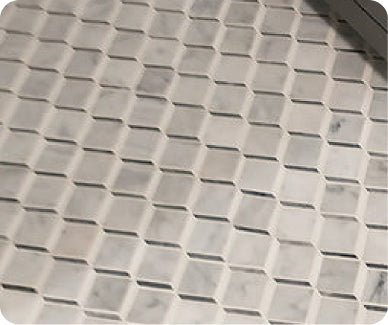
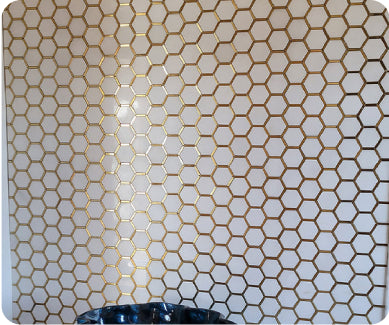
Pattern-forward: Try a hexagon or geometric format such as Abadia or Argos. Keep cabinetry and countertops simpler so the floor has room to stand out.
-
Color-driven: Use a ceramic mosaic such as Soho Soft Sage when you want the floor to bring in a muted accent color without relying on paint or cabinetry.
-
Classic transitional: Look for square or rectangular porcelain in a stone-inspired finish. These shapes are easy to pair with traditional cabinetry while still feeling current.

How to Choose the Right Tile for Your Kitchen Floor
Before you place an order, narrow your choices with a short checklist. The goal is not simply to find a tile you like online; it is to find a surface that fits the room’s traffic, maintenance needs, scale, and overall palette.
-
Measure the room and account for cabinets, islands, doorways, and other fixed elements before choosing a format.
-
Confirm the exact product is approved for floor application rather than assuming every tile in a collection can be used on floors.
-
Order samples and view them next to cabinetry, countertops, paint, and natural light.
-
Consider grout color as part of the design. A contrasting grout can emphasize a pattern, while a closer match can create a quieter surface.
-
Check manufacturer specifications for slip resistance, maintenance, installation requirements, and other performance details relevant to your project.
-
Order appropriate overage for cuts and waste; AquaBlu product pages commonly recommend adding 10% when calculating quantities.
5 Floor Tiles for Kitchens to Consider
-
Bay Grey: Large-Format Stone-Look Porcelain. If you want a kitchen floor that feels expansive and understated, Bay Grey 24" x 24" is a strong example of the large-format approach. Its stone-inspired look, subtle tonal variation, and matte finish create a clean foundation that works especially well in modern and transitional kitchens. The 24" x 24" format also creates broader visual fields with fewer grout lines, helping the floor feel more continuous.
-
Praia Crema: Warm, Linear Porcelain. For a softer take on stone-inspired flooring, Praia Crema 12" x 24" porcelain tile features delicate linear movement in a blend of warm cream tones. Its matte finish gives the surface a natural, understated look, while the larger rectangular format creates a streamlined layout. It works particularly well with warm wood cabinetry, neutral countertops, and other organic materials. AquaBlu lists the tile for floors, walls, showers, and countertops.
-
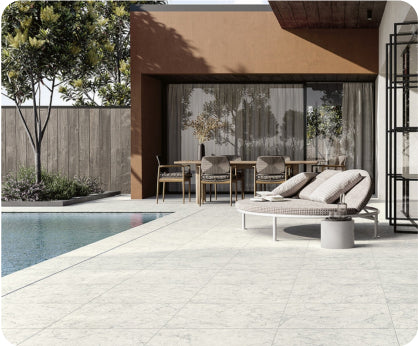
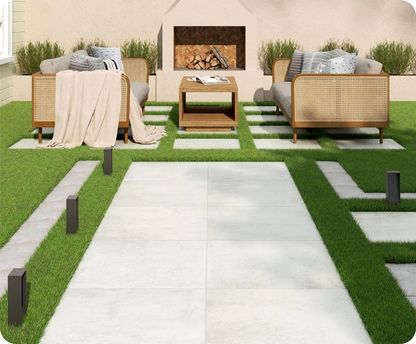
Cape Cod Cold Gray: Large-Format Porcelain. For a cooler, more contemporary kitchen, Cape Cod Cold Gray offers the look of natural stone in an oversized format. Its matte finish and monochromatic gray tones create a clean architectural backdrop, while the large dimensions minimize grout lines for a more seamless appearance. The series is listed for floors and walls and can also coordinate with matching outdoor pavers for an indoor-outdoor design.
-
Classic Graphite: Modern Large-Format Porcelain. Classic Graphite offers a deeper neutral option for kitchens where you want the floor to add contrast. Available in large formats including 12" x 24" and 24" x 48", this porcelain tile can create a bold foundation without relying on a busy pattern. Its darker gray palette works especially well with light cabinetry, warm wood tones, and countertops with subtle veining.
-
Atlantique Saint-Michel Olive: Patterned Porcelain. If you want more personality without moving into an overly complicated pattern, Atlantique Saint-Michel Olive 8" x 8" porcelain tile offers a decorative option with a muted olive palette. The square format gives the floor a classic patterned feel, while the earthy color works well alongside cream, beige, natural wood, and warm metallic finishes. It is currently listed among AquaBlu's kitchen porcelain tile options.

FAQ
What is the best tile for kitchen floors? There is no single tile that fits every kitchen. Porcelain offers a broad range of floor-rated styles and is a practical option for busy spaces, while specific ceramic mosaics can work well when they are rated for floor application.
Is porcelain tile good for kitchen floors? Yes, many porcelain products are designed for flooring and are valued for moisture resistance, low maintenance, and durability. Always check the specifications for the exact product rather than relying on the material name alone.
Can ceramic kitchen floor tile be durable? Yes, when the specific ceramic product is designed and rated for floor use. AquaBlu’s current kitchen collection includes ceramic tiles listed for floor application, including several Soho mosaic formats.
What size tile makes a kitchen look bigger? Large-format tile can create a more continuous visual field because it uses fewer grout lines. Formats such as 24" x 24" or 18" x 36" can work particularly well in open kitchens, depending on the room dimensions and layout.
Should kitchen floor tile be matte or glossy? The right finish depends on the product and the look you want. Matte and textured finishes can create a softer, more understated appearance, while glossy surfaces can feel brighter and more reflective; always review the manufacturer’s flooring and maintenance specifications.
Ready to Narrow Down Your Kitchen Floor?
Start with AquaBlu Mosaics’ Kitchen Floor Tile collection, where you can browse porcelain and ceramic options by color, shape, finish, size, and application. If you already know the direction you want, order samples of your top contenders and compare them in your kitchen before making a final selection.
