


































































Epoxy vs. Cementitious Grout: Which One Actually Belongs in Your Project

Walk down the grout aisle and you'll find two very different products wearing the same name. Cementitious grout is what most people picture when they think of grout, a sand and cement mix that's been the industry standard for decades. Epoxy grout is a newer, tougher alternative built from resin instead of cement, and it's changing what people expect from a grout line. Neither one is wrong. But once you understand what each is actually made of, the choice for most projects gets a lot clearer.
Here's how they compare, and where epoxy earns its higher price tag.
1. What's the difference?
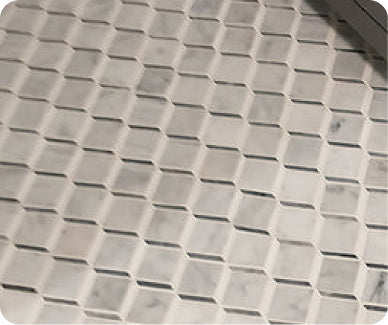
Cementitious grout: A mix of cement, sand, and water, sometimes with polymers added for extra flexibility. It's porous by nature, which means it absorbs water, oil, and stains unless it's sealed, and even sealed grout needs that seal reapplied over time. It's also the more affordable, easier to install option, which is why it's been the default for so long.
Epoxy grout: Made from epoxy resin and a hardener instead of cement. Once cured, it's virtually non-porous, so it doesn't stain, doesn't need sealing, and stands up to water, chemicals, and grease in a way cement never will. It costs more and takes more skill to install, but it's built to outlast the tile around it. Shop epoxy grout.
A quick way to think about it: cementitious grout is a good, affordable material that needs upkeep to perform. Epoxy grout is a higher-upfront-cost material that performs on its own.
2. Where Epoxy Grout Is Worth the Investment
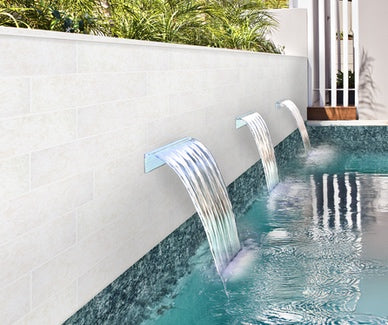
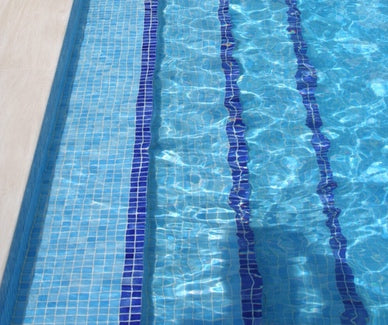
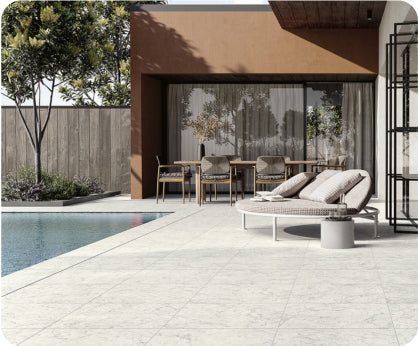
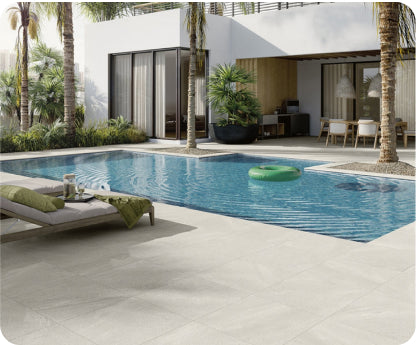
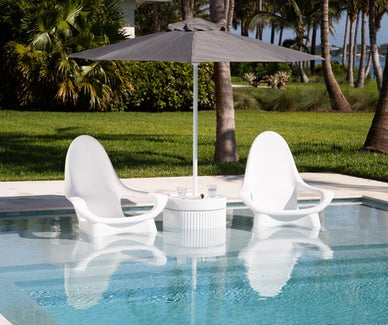
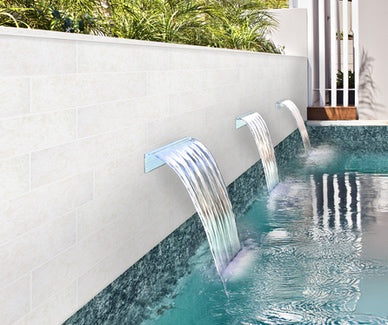
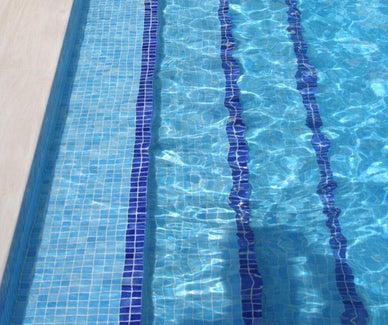
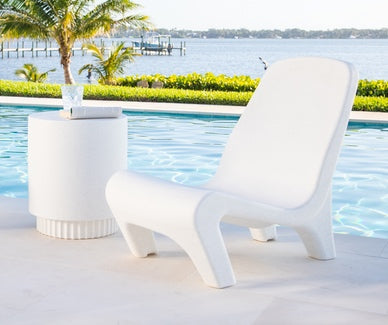
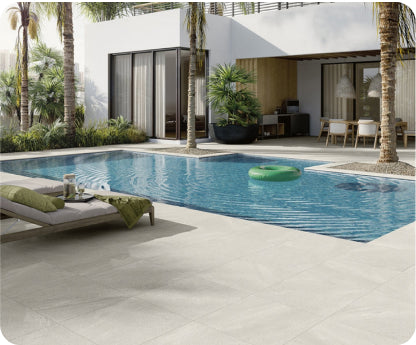
Pools and water features: This is epoxy's home turf. Constant submersion, chlorine, and mineral exposure will break down cementitious grout over years, leading to cracking, discoloration, and eventual water intrusion behind the tile. Epoxy shrugs off all of it without sealing or maintenance. Shop pool tile grout.
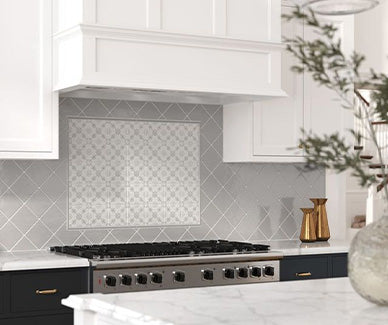
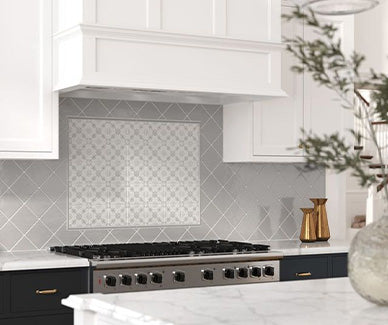
Kitchen backsplashes and countertops: Grease, wine, coffee, and acidic foods all stain cementitious grout over time, even sealed. Epoxy resists staining completely, which matters most right behind a stove or sink where spills happen daily.
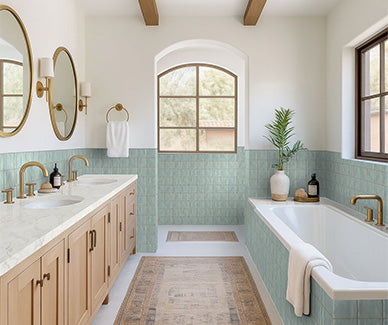
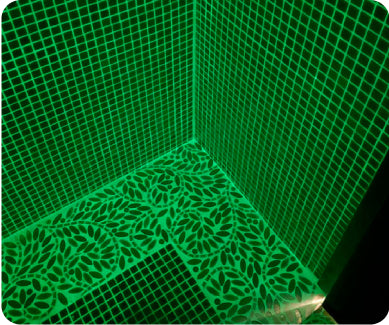
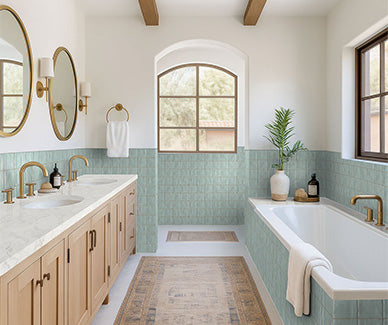
Showers and bathroom floors: Constant moisture is exactly what cementitious grout struggles with. Epoxy's non-porous surface means no mildew growth in the grout lines and no resealing schedule to keep up with.
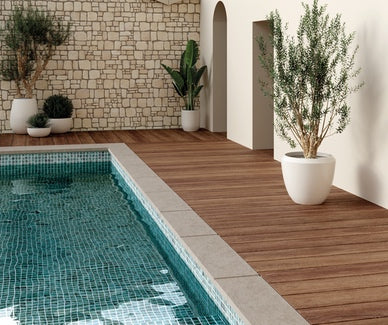
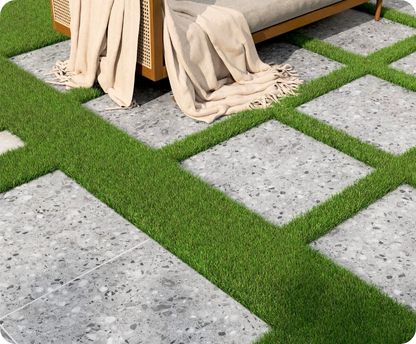
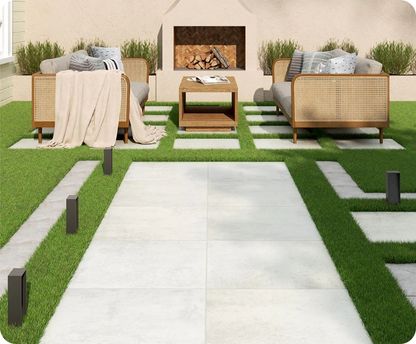
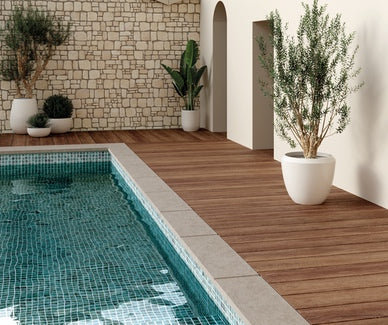
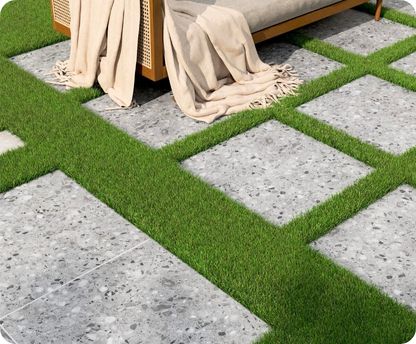
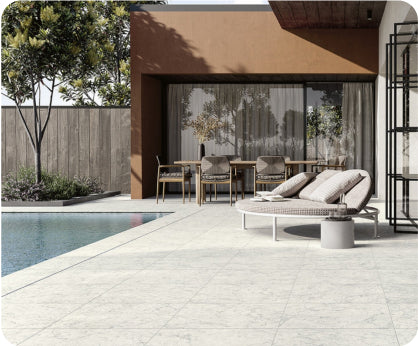
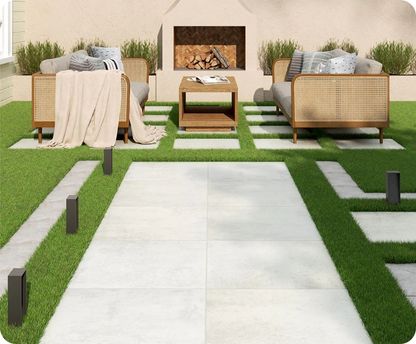
Outdoor spaces: Pool decks, outdoor kitchens, and patios see sun, rain, and freeze-thaw cycles that will crack and discolor cement grout over a few seasons. Epoxy holds its color and structure through all of it.
High-traffic commercial spaces: Anywhere grout needs to handle heavy foot traffic and frequent cleaning without breaking down, epoxy's durability pays for itself over the life of the installation.
3. Where Cementitious Grout Still Makes Sense
Epoxy isn't the right call for every project, and that's worth saying plainly.
Low-moisture, low-traffic walls: A ceramic backsplash in a guest bathroom or a decorative accent wall rarely sees the wear that justifies epoxy's cost and installation difficulty. Cementitious grout, properly sealed, holds up fine.
DIY installations: Epoxy sets fast and doesn't forgive mistakes. It's a harder material to work with, and a rushed epoxy job can look worse than a well-done cementitious one. If you're tiling it yourself and don't have experience with epoxy, cementitious is the more forgiving choice.
Budget-conscious projects: Epoxy typically costs several times more than cementitious grout per pail. On a large-format job, that difference adds up fast. If the space doesn't demand epoxy's performance, that budget is often better spent elsewhere. Shop cementitious grout.
4. Weigh the Maintenance Difference
Maintenance is usually what tips the decision once cost is on the table.
- Epoxy grout: Wipe clean, no sealing, ever. Resists stains, chemicals, and moisture indefinitely once cured.
- Cementitious grout: Needs sealing at installation and resealing every one to two years depending on traffic and exposure. Skip that maintenance, and it's prone to staining, cracking, and mildew.
If long-term upkeep is the priority, epoxy wins outright. If the space sees light use and someone is willing to keep up with sealing, cementitious is a perfectly reasonable, budget-friendly choice.
5. Get the Installation Right
Epoxy grout has a shorter working time than cementitious grout, so it rewards experience and preparation. It also cleans up differently, residue left too long is far harder to remove than with cement grout. If you're installing epoxy for the first time, work in small sections and follow the manufacturer's working time closely. For either grout, always confirm the product is rated for your specific application, pool, outdoor, or interior, before you buy.
Shop Installation Materials by Type
Epoxy Grout - Stain-proof, chemical-resistant grout for pools, kitchens, and high-traffic spaces.
Cementitious Grout - The classic, budget-friendly choice for low-moisture walls and accents.
Tile Adhesives - Adhesives built to pair with your grout and tile choice.
Waterproofing - Membranes that protect your substrate before grout ever goes down.
FAQs About Epoxy and Cementitious Grout
Is epoxy grout better than cementitious grout? It depends on the application. Epoxy is more durable, stain-resistant, and maintenance-free, which makes it the better choice for pools, kitchens, and wet areas. Cementitious grout is more affordable and easier to install, which makes it a reasonable choice for low-traffic, low-moisture spaces.
Does epoxy grout need to be sealed? No. Epoxy grout is non-porous once cured, so it never needs sealing. Cementitious grout does, both at installation and periodically afterward.
Can I install epoxy grout myself? Yes, but it's less forgiving than cementitious grout. It sets faster and cleans up differently, so first-timers should work in small sections and follow the manufacturer's instructions closely.
Is epoxy grout worth it for a pool? Yes. Pools are one of the clearest cases for epoxy. Constant submersion and chemical exposure break down cementitious grout over time, while epoxy resists both without maintenance.
How much more expensive is epoxy grout than cementitious? Epoxy typically costs several times more per pail than cementitious grout. The higher upfront cost is usually offset by skipping resealing and replacement over the life of the installation.
Why Customers Choose AquaBlu
At AquaBlu Mosaics, we believe great design shouldn't be a hassle. That's why we offer:
- A wide range of premium epoxy and cementitious grout in dozens of colors
- Free shipping on orders over $299
- USA-based customer service that actually answers the phone
Whatever you're grouting, we're here to help you choose the product that will actually hold up to it.
