Buyer's Guide: Fujiwa Pool Tile
Choosing tile for a swimming pool is about much more than finding a color you like. The right material needs to complement the architecture, work with the surrounding landscape, suit the scale of the pool, and perform reliably in an environment exposed to water, chemicals, sunlight, temperature changes, and regular use.
Fujiwa offers a broad selection of porcelain tile designed to bring together performance and sophisticated design. The collection includes traditional formats, contemporary shapes, colorful blends, neutral tones, and multiple finishes, making it possible to create anything from a classic waterline to a highly customized pool interior.
AquaBlu Mosaics currently lists more than 200 Fujiwa options, with choices spanning numerous colors, shapes, sizes, finishes, and mounting formats.
If you are shopping for tile for a new pool, renovation, spa, water feature, or another indoor or outdoor application, understanding the collection's options can make the selection process much easier.
Why Consider Fujiwa Porcelain Tile?
Porcelain is a popular choice for pool environments because it offers a combination of durability, low water absorption, and design flexibility. Fujiwa's collection is described as frost proof, stain resistant, and impervious to liquids and vapors, characteristics that make it well suited to demanding wet environments.
For homeowners, this means the aesthetic appeal of the installation does not have to come at the expense of practicality. A well-selected porcelain surface can maintain its appearance while being exposed to the everyday conditions associated with swimming pools and outdoor living.
The collection is also not limited to one particular design aesthetic. Fujiwa includes traditional blue pool colors, modern neutrals, decorative patterns, earthy shades, and multicolor combinations. This makes the brand useful for projects ranging from simple backyard pools to elaborate resort-inspired environments.
Start With Your Pool's Design
Before looking at individual colors or patterns, consider the overall character of the pool.
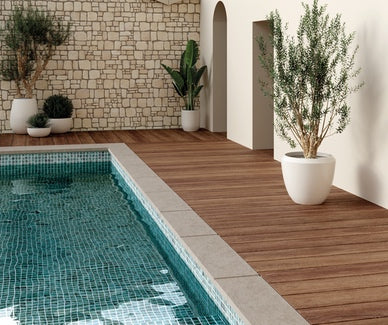
A contemporary pool with clean architectural lines may benefit from a simple rectangular format or a restrained square tile. A Mediterranean-inspired setting could work beautifully with richer blue tones or decorative patterns. A naturalistic backyard may call for earthy colors that complement stone, landscaping, and wood-look materials.
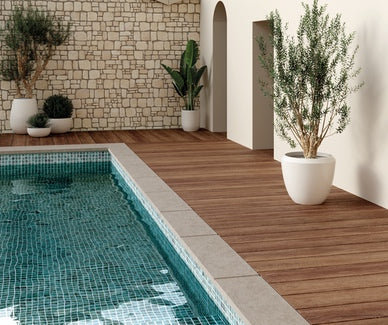
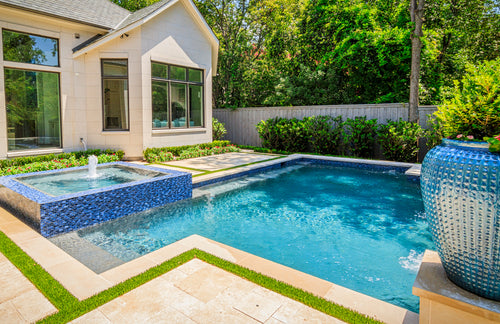
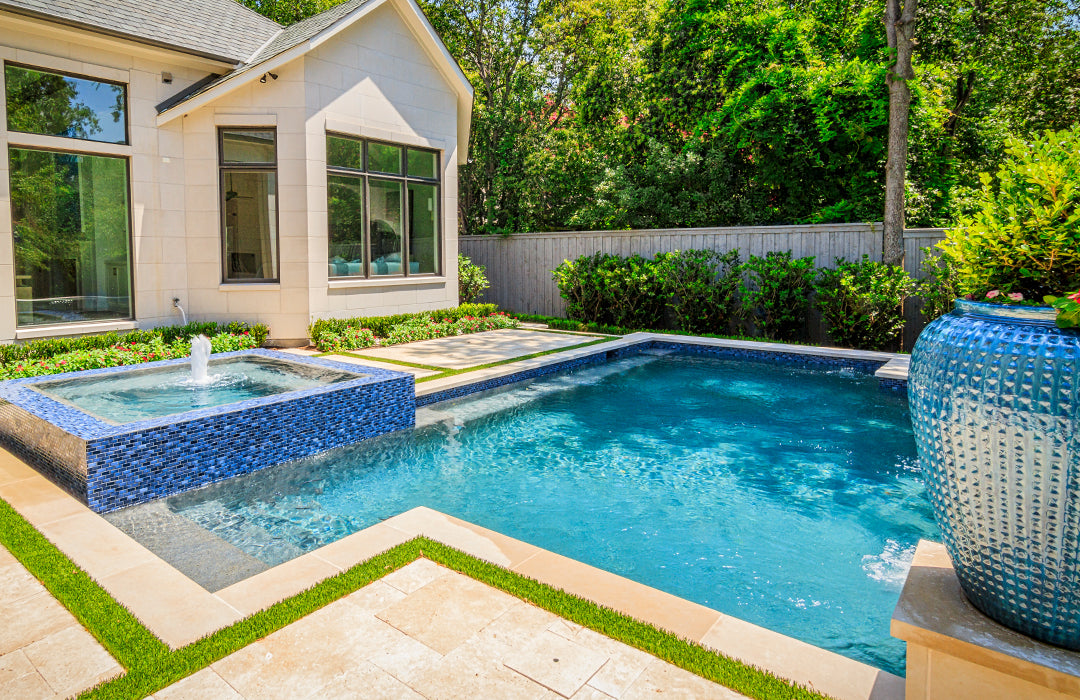
The pool should also be considered as part of the larger property. Look at the color of the coping, decking, exterior walls, landscaping, furniture, and surrounding architecture. The goal is not necessarily for every material to match. Instead, choose tile that creates a visual relationship between the different elements.
This approach can help prevent the tile from feeling like an isolated design decision.
Explore The Different Tile Sizes
One of the biggest advantages of the Fujiwa collection is its variety of formats.
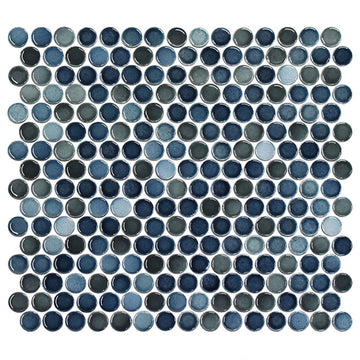
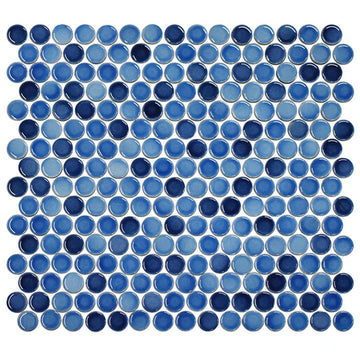
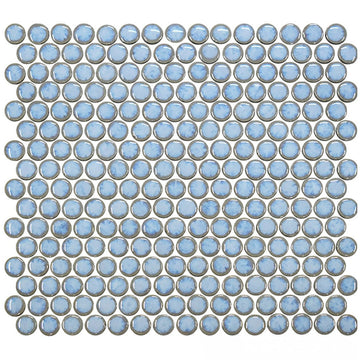
AquaBlu's current collection includes small mosaics such as 3/4-inch and 1-inch formats, along with 2-inch, 3-inch, 6-inch, and several rectangular sizes. The collection also includes mixed mosaic formats.
Smaller pieces are particularly useful when creating detailed pool designs. They can follow curves and contours more easily and can introduce a classic mosaic appearance.
Two-inch and three-inch formats provide a slightly larger visual scale while retaining plenty of flexibility. Six-inch tile creates a more substantial look and can be especially effective on waterlines or larger wall surfaces.
The best size depends on the dimensions and architecture of your pool. A very small pool can sometimes look overwhelmed by an oversized format, while a large contemporary pool may benefit from larger pieces that reinforce its clean lines.
Choose Between Classic And Modern Shapes
Shape has a significant influence on the overall character of a pool.
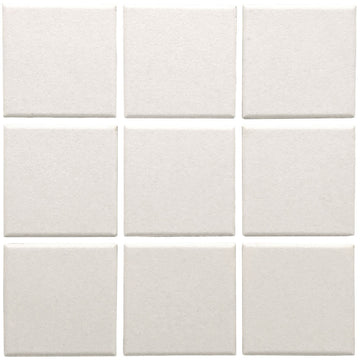
Square tile remains one of the most versatile choices. It has a timeless appearance and can work with virtually any architectural style.
Rectangular formats can create a more contemporary appearance, especially when installed in a horizontal orientation. They can visually emphasize the length of a wall or waterline.
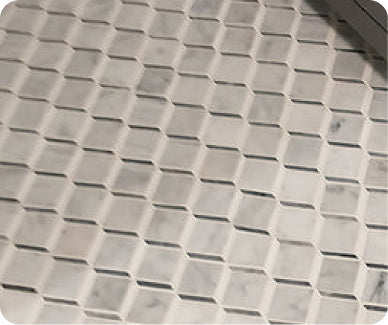
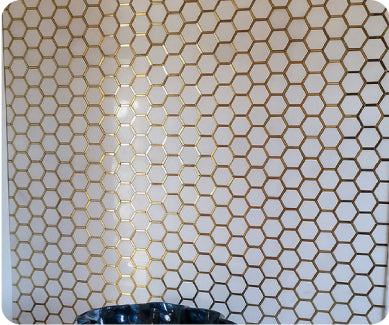
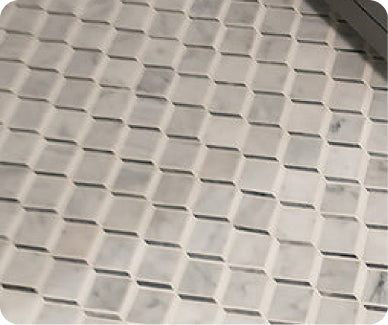
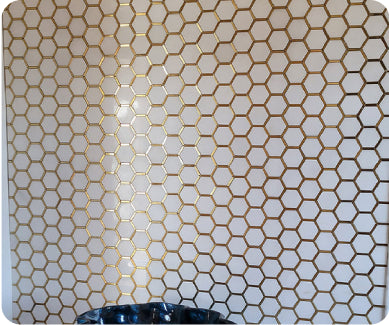
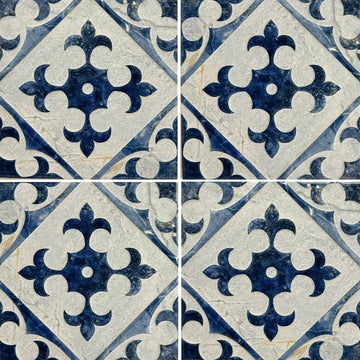
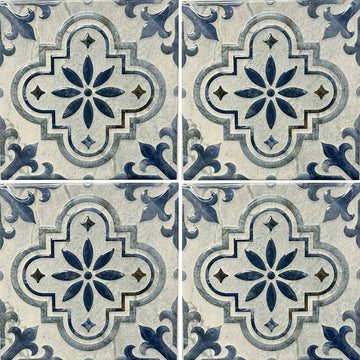
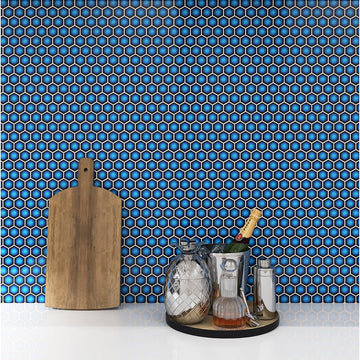
For a more decorative approach, Fujiwa also includes hexagons, diamonds, arabesques, linear pieces, mixed shapes, and round formats.
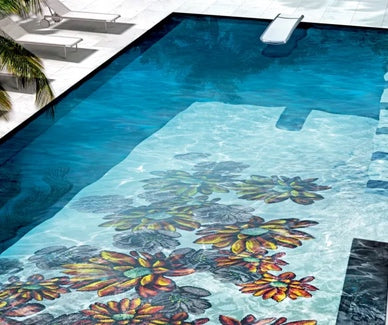
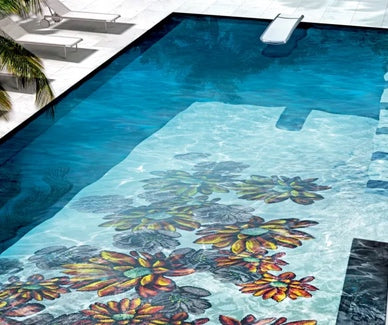
These options can be used to move beyond the traditional pool aesthetic. A geometric shape can add personality to an otherwise minimalist pool, while a decorative pattern can establish a focal point within a larger installation.
Consider The Color Of The Water
Pool tile should always be evaluated with water in mind.
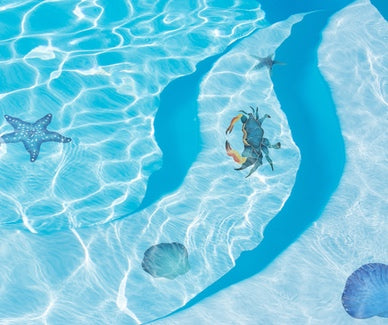
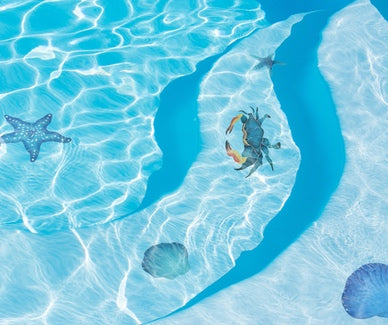
A tile sample can look completely different when viewed dry compared with how it appears beneath several inches of water. Natural sunlight, pool depth, water chemistry, surrounding finishes, and even the color of the sky can influence the final appearance.
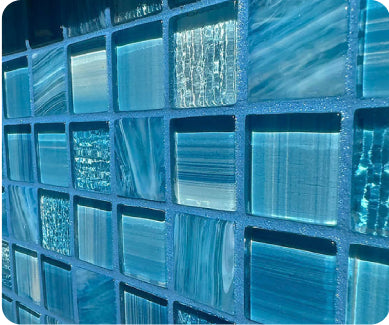
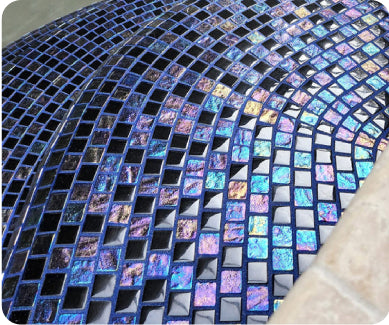
Blue remains a classic choice because it naturally complements the water. Fujiwa offers an extensive range of blue options, with AquaBlu currently listing more than 140 blue selections within the collection.
However, blue is not the only possibility.
Aqua, green, gray, cream, white, black, brown, multicolor, metallic, and other tones are also represented.
Lighter colors can create a bright, open appearance, while darker selections can give the pool a more dramatic and sophisticated mood. Green and earthy shades can work particularly well with lush landscaping, while gray and neutral tones can reinforce modern architecture.
Decide On The Finish
Finish is another important consideration because it affects how the tile interacts with light.
Fujiwa currently includes glossy, matte, semi-gloss, and metallic finishes.
Glossy surfaces can reflect light and create a lively appearance in the water. They can be particularly effective when the goal is to emphasize shimmer and movement.
Matte finishes offer a quieter appearance and can complement natural or contemporary design schemes.
Semi-gloss finishes provide another middle ground, while metallic options can introduce a more distinctive decorative effect.
When comparing finishes, consider the amount of direct sunlight your pool receives. A sample viewed outdoors can reveal details that are difficult to see under indoor lighting.
Think About The Waterline
The waterline is one of the most visible areas of a swimming pool, so it deserves special attention.
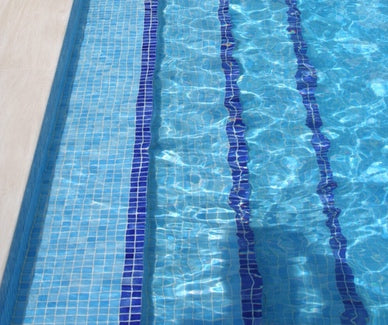
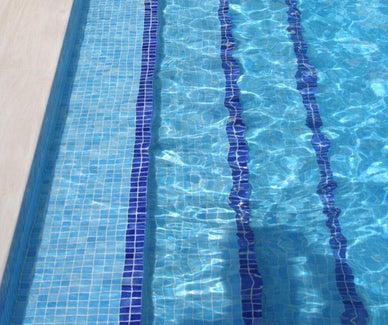
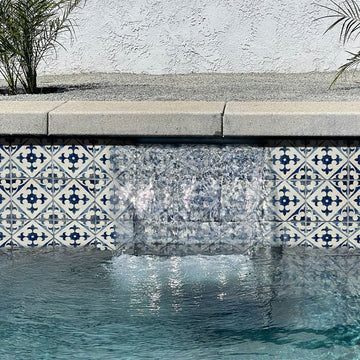
This band of tile can either blend into the larger pool design or serve as a decorative feature. A classic six-inch rectangular tile can create a clean, continuous border, while smaller mosaics can provide more detail.
Fujiwa offers multiple six-inch formats as well as smaller mosaic options, giving homeowners flexibility when designing this portion of the pool.
Think about how the waterline relates to the interior finish. You do not necessarily need an exact match. Coordinating colors or finishes can often produce a more sophisticated result.
For example, a subtle blue waterline tile can complement a lighter interior, while a contrasting decorative strip can frame the pool and create definition.
Look At Mosaic Formats
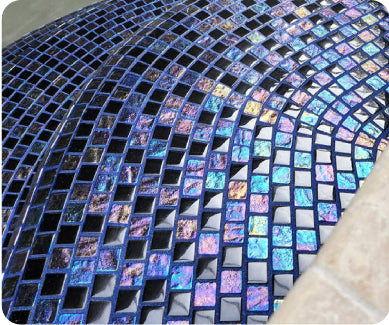
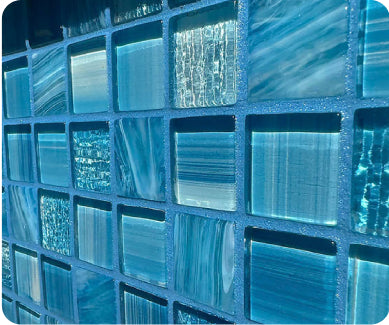
Mosaic tile is especially popular in pool design because small pieces can create intricate patterns and adapt to curved surfaces.
Fujiwa's collection includes numerous mosaic options, with both mesh-mounted and loose-piece formats available.
Mesh mounting can make installation more efficient because multiple pieces are arranged on a sheet. This can be useful for larger areas where maintaining consistent spacing is important.
Loose pieces provide greater flexibility for certain custom applications and detailed installations.
When shopping, look at the mounting type along with the tile itself. The installation format can affect labor, layout, cutting, and how easily the material can be positioned around curves or architectural details.
Pay Attention To Finish And Texture
A pool is an environment where appearance and performance need to work together.
Fujiwa's collection includes several finish categories, as well as a small selection identified as slip resistant.
For areas where people will regularly walk, especially wet surrounding surfaces, always verify the product's specific performance specifications rather than assuming that every tile has the same slip characteristics.
This distinction is important because a tile selected for a vertical waterline does not necessarily have the same requirements as a surface intended for foot traffic.
Consider where the tile will be installed and evaluate the product according to that specific use.
Consider Indoor And Outdoor Applications
Although Fujiwa is particularly well suited to pool environments, the collection can also be used in other areas.
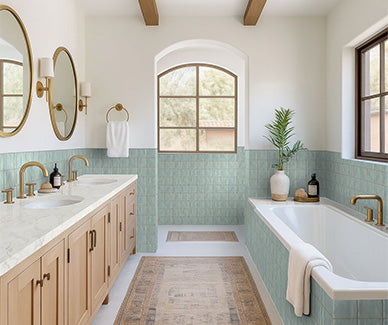
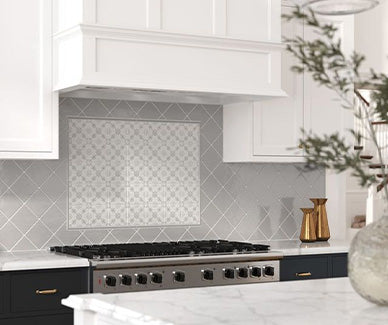
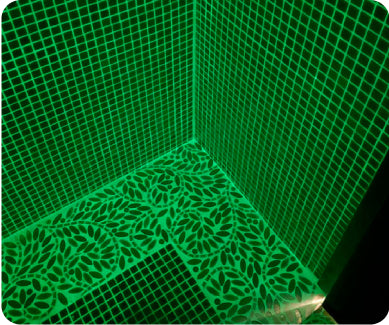
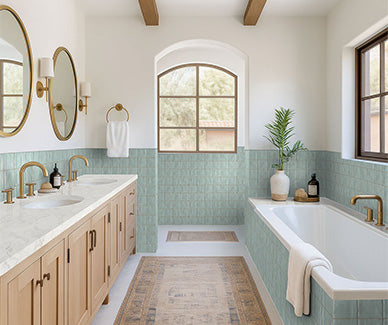
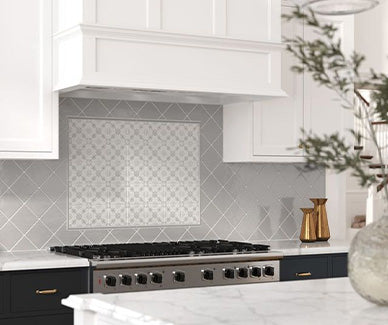
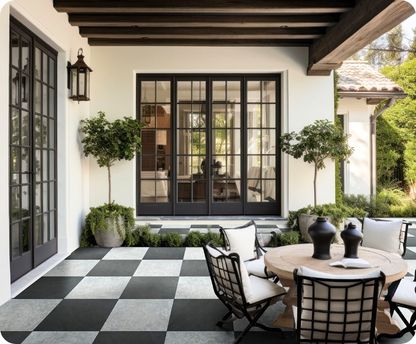
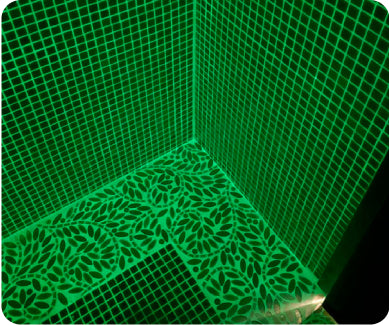
AquaBlu identifies the collection for pools as well as indoor and outdoor spaces, with applications including backsplashes and showers.
This versatility can be useful when designing a property with multiple connected spaces.
For example, a color used inside an outdoor kitchen could coordinate with the pool waterline. A complementary format could then appear in a bathroom or shower, creating subtle continuity throughout the property.
Outdoor applications require additional attention to climate and installation requirements. The frost-proof characteristic listed for the collection makes it particularly useful in areas where temperatures can fluctuate significantly.
Always confirm the specifications of the exact product selected before using it in an application that differs from the primary pool installation.
Match The Tile To The Scale Of The Pool
Scale is one of the easiest factors to overlook when selecting tile.
A small mosaic can create a detailed, luxurious appearance, but covering an enormous pool with a very small pattern can also create a visually busy result.
Larger tile formats can simplify a design and emphasize architectural lines. Smaller pieces can provide more detail and movement.
There is no universal rule. The right choice depends on the size of the pool, the complexity of its shape, and the desired visual effect.
For a large rectangular pool, a larger format may reinforce the clean geometry. For a freeform pool with curves, smaller pieces can offer greater flexibility and help follow the contours.
Order Samples Before Making A Final Decision
One of the most important shopping steps is also one of the simplest: see the tile in person before committing to a large order.
Color can shift considerably depending on lighting and water. A blue that appears rich and deep in a product image may look significantly lighter once submerged in sunlight.
Samples also allow you to compare the tile with your actual coping, decking, pool finish, exterior paint, stone, landscaping, and furniture.
If possible, view samples at different times of day. Morning light, bright afternoon sun, and evening illumination can all create different impressions.
This is especially important when selecting glossy, metallic, or highly reflective finishes.
Think About Maintenance
Pool tile is exposed to more than water. Calcium deposits, mineral buildup, dirt, sunscreen, leaves, and other contaminants can affect its appearance over time.
One of the advantages of Fujiwa porcelain is its stain-resistant and impervious characteristics, which can make it a practical choice for pool environments.
However, even durable materials benefit from routine care.
Following the manufacturer's recommended cleaning procedures and maintaining appropriate pool chemistry can help protect the overall installation. Avoid assuming that a highly durable tile is completely maintenance free.
The grout and surrounding materials also matter. A pool installation is a complete system, and every component contributes to its long-term appearance.
Plan The Installation Before Ordering
Once you have selected a style, take time to understand exactly how much material the project requires.
Measure the areas carefully and account for cuts, corners, transitions, patterns, and installation waste. Complex layouts may require more material than a simple rectangular installation.
For mosaic sheets, also consider how the pattern repeats from one sheet to the next. A sample layout can help identify potential alignment issues before installation begins.
It is also wise to confirm lead times and availability before scheduling installation. A pool renovation involves multiple trades and materials, so having the tile ready at the appropriate stage can help keep the project moving.
Create A Cohesive Poolscape
The best pool designs rarely rely on tile alone. The surrounding materials are equally important.
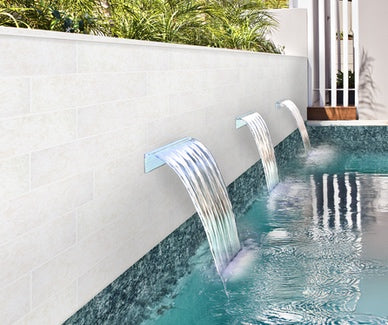
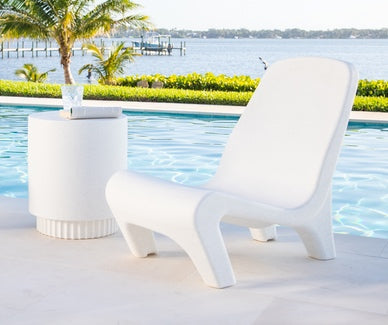
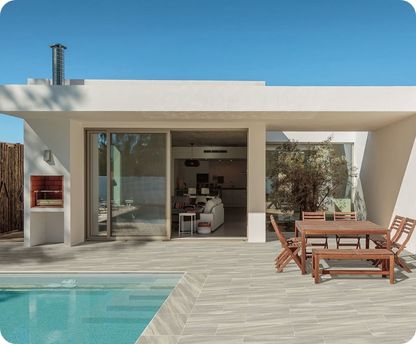
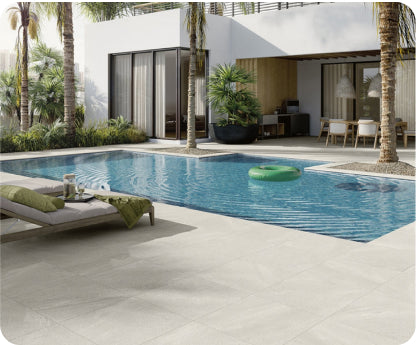
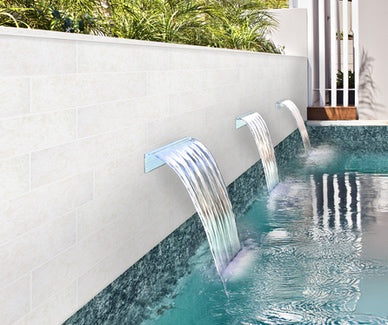
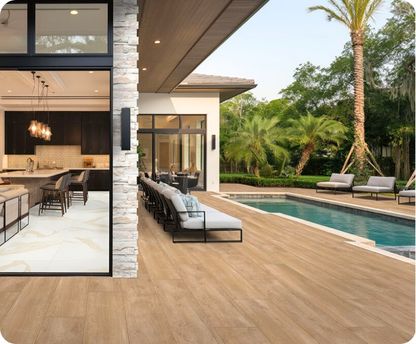
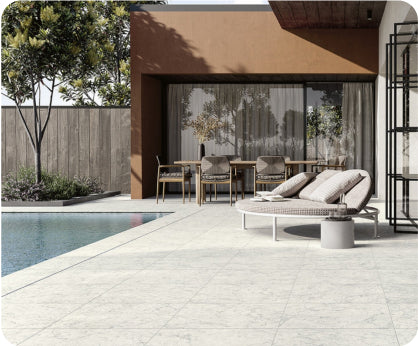
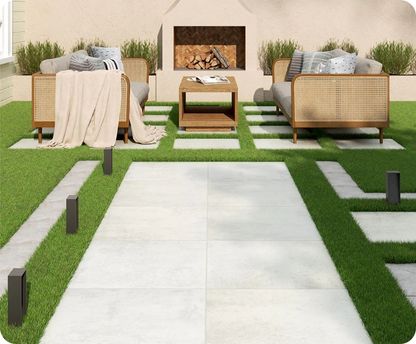
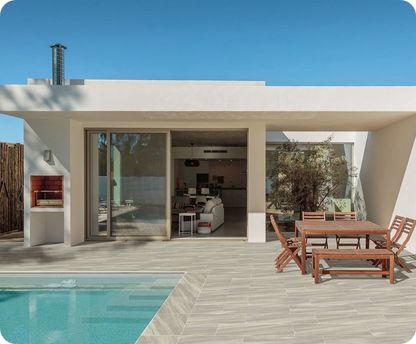
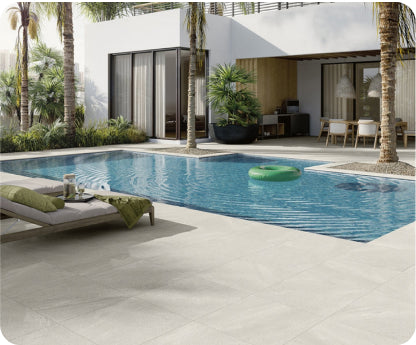
Consider pairing Fujiwa with coordinated coping, porcelain pavers, natural stone, outdoor furniture, lighting, landscaping, and water features. A well-designed pool should feel like an extension of the home rather than a separate feature placed in the backyard.
For a modern environment, clean tile lines can complement streamlined furniture and architectural landscaping. For a more relaxed setting, colorful tile can work with natural stone, lush greenery, and warm wood tones.
The goal is to create relationships between materials without making every surface identical.
How To Shop The Fujiwa Collection
With such a large selection, shopping can feel overwhelming if you browse without a plan. Start by narrowing the collection according to the most important criteria.
First, decide where the tile will be installed. Then choose your preferred material, color family, shape, size, finish, and mounting style.
AquaBlu's current Fujiwa collection provides filters for application, color, shape, size, finish, mounting type, thickness, and other characteristics, making it easier to narrow a large selection to products that fit your project.
Instead of starting with a specific product, start with your project's requirements. Once those are established, the design choices become much easier.
Final Thoughts
Choosing pool tile is an opportunity to define the personality of an outdoor space while selecting a material capable of handling demanding conditions.
Fujiwa offers an extensive range of porcelain options, from classic squares and waterline rectangles to intricate mosaics, geometric shapes, decorative patterns, and modern blends. Its selection of colors and finishes provides plenty of room for customization, while its frost-proof, stain-resistant, and impervious characteristics make the collection well suited to many pool and outdoor environments.
The best choice ultimately comes down to the relationship between design and performance. Think about how the tile will look with water, how it will interact with sunlight, how its scale relates to the pool, and how it connects with the surrounding architecture.
With thoughtful planning and careful sampling, the right selection can become much more than a practical surface. It can help establish the atmosphere, character, and visual identity of the entire poolscape.