














































Walls With Depth: 3D Tile Bathroom Ideas


Bathrooms are no longer just functional spaces. They have become places where design, texture, and atmosphere come together to create a unique experience. One of the most impactful ways to elevate a bathroom is through 3D bathroom tile. With its sculptural surface and ability to play with light and shadow, 3D bathroom tile transforms flat walls into architectural features.
If you are looking for creative and timeless design inspiration, this guide explores how 3D bathroom tile can bring depth, movement, and elegance into your space.
What Makes 3D Bathroom Tile Unique
3D bathroom tile stands out because of its raised or textured surface. Unlike traditional flat tile, it introduces dimension that can be seen and felt. This added depth creates a dynamic visual effect that changes throughout the day as lighting shifts.
The appeal of 3D bathroom tile lies in its ability to turn walls into focal points. Even in simple color palettes, the texture itself provides enough interest to elevate the entire room.
Whether subtle or bold, 3D bathroom tile adds a level of sophistication that standard tile cannot achieve.
Creating A Feature Wall With 3D Tile
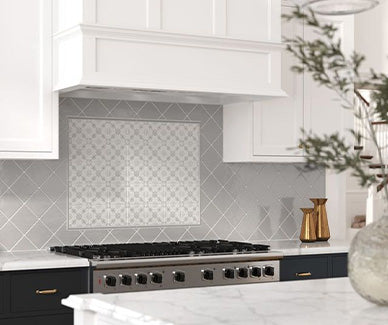
One of the most popular uses of 3D bathroom tile is as a feature wall. This approach allows you to highlight a specific area without overwhelming the entire space.
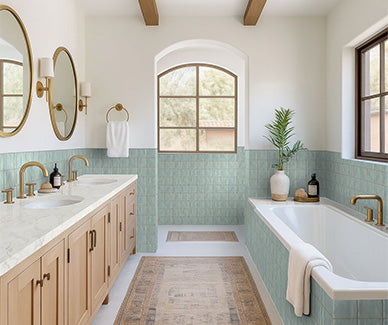
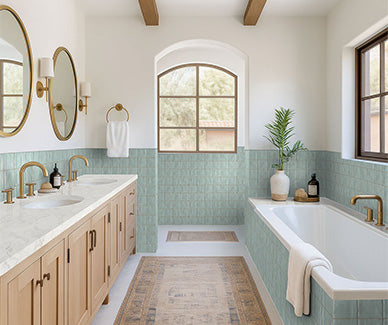
A feature wall behind a vanity or bathtub can instantly draw attention. The texture of 3D bathroom tile creates contrast against smooth surfaces like mirrors and countertops, making the design feel layered and intentional.
By limiting 3D bathroom tile to one main area, you can achieve a balanced look that feels modern and refined.
Playing With Light And Shadow
Lighting is where 3D bathroom tile truly shines. The raised patterns interact with both natural and artificial light, creating shadows that shift throughout the day.
This interaction adds movement and depth to the room. Even a neutral-colored 3D bathroom tile can feel dynamic because of how it reflects light.
Strategic lighting, such as wall sconces or overhead fixtures, can enhance this effect. When done correctly, 3D bathroom tile can make a space feel more alive and visually engaging.
Subtle Patterns For A Minimal Look
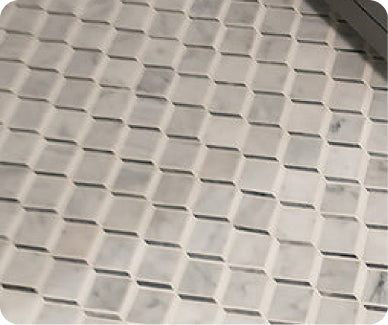
Not all 3D bathroom tile designs need to be bold. Subtle patterns can create a soft, textured effect that enhances the space without dominating it.
Gentle waves, linear ridges, or soft geometric shapes are popular choices for minimalist bathrooms. These styles allow 3D bathroom tile to blend seamlessly with the overall design while still adding depth.
This approach works especially well in modern bathrooms where simplicity and clean lines are key.
Bold Designs For Dramatic Impact
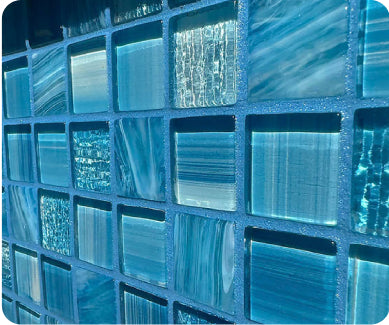
For those who want a statement look, bold 3D bathroom tile designs can create a dramatic focal point. Larger patterns and deeper textures make the wall stand out immediately.
This style works well in bathrooms that aim to feel luxurious or artistic. When paired with simple fixtures and neutral tones, bold 3D bathroom tile becomes the centerpiece of the room.
The key is to let the tile take the lead while keeping the rest of the design balanced.
Pairing 3D Tile With Other Materials
3D bathroom tile works best when paired with complementary materials. Smooth surfaces like glass, polished stone, or metal create contrast that highlights the texture.
Wood accents can add warmth, while matte finishes can soften the overall look. The goal is to create a mix of textures that feel cohesive rather than overwhelming.
By combining 3D bathroom tile with other materials, you can build a layered design that feels both modern and inviting.
Using Neutral Colors For Timeless Style
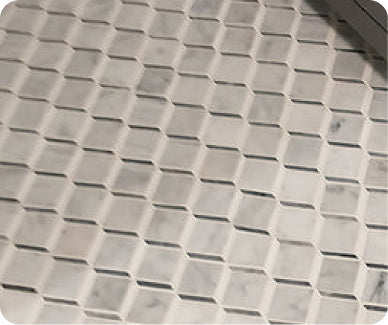
Color plays an important role in how 3D bathroom tile is perceived. Neutral tones like white, beige, gray, and soft black are often the best choices for a timeless look.
These colors allow the texture of the 3D bathroom tile to take center stage. They also make it easier to update other elements in the bathroom over time without needing to change the tile.
A neutral palette ensures that the design remains elegant and relevant for years to come.
Incorporating 3D Tile In Small Bathrooms
3D bathroom tile can be used effectively even in smaller spaces. The key is to use it strategically.
Instead of covering every wall, focus on one area such as a shower wall or vanity backdrop. This creates depth without making the room feel crowded.
Lighter colors and subtle patterns can also help maintain an open and airy feel. When used thoughtfully, 3D bathroom tile can make a small bathroom feel more dynamic and visually interesting.
Long Term Design Value Of 3D Tile
One of the biggest advantages of 3D bathroom tile is its lasting appeal. Because it focuses on texture rather than trend-driven patterns, it tends to age well.
This makes it a smart investment for homeowners who want a design that remains stylish over time. The depth and dimension of 3D bathroom tile ensure that it continues to feel fresh even as other design trends evolve.
FAQ
What Is 3D Bathroom Tile?
3D bathroom tile is a type of tile with a textured or raised surface that adds depth and dimension to walls.
Where Should I Use 3D Bathroom Tile?
It is most commonly used on feature walls, behind vanities, or in shower areas to create a focal point.
Is 3D Bathroom Tile Suitable For Small Spaces?
Yes, when used in a focused area, 3D bathroom tile can add depth without overwhelming a small bathroom.
What Colors Work Best For 3D Bathroom Tile?
Neutral tones are often the best choice because they highlight the texture and provide a timeless look.
Does 3D Bathroom Tile Work With Modern Design?
Yes, 3D bathroom tile fits well in modern bathrooms by adding texture and contrast to clean, simple layouts.
